Tokyo Game Show's enduring relevance masks deeper strains for Japan's tech ambitions
While the event claims global institution status, economic indicators suggest a more complex reality for the host nation.
TOKYO
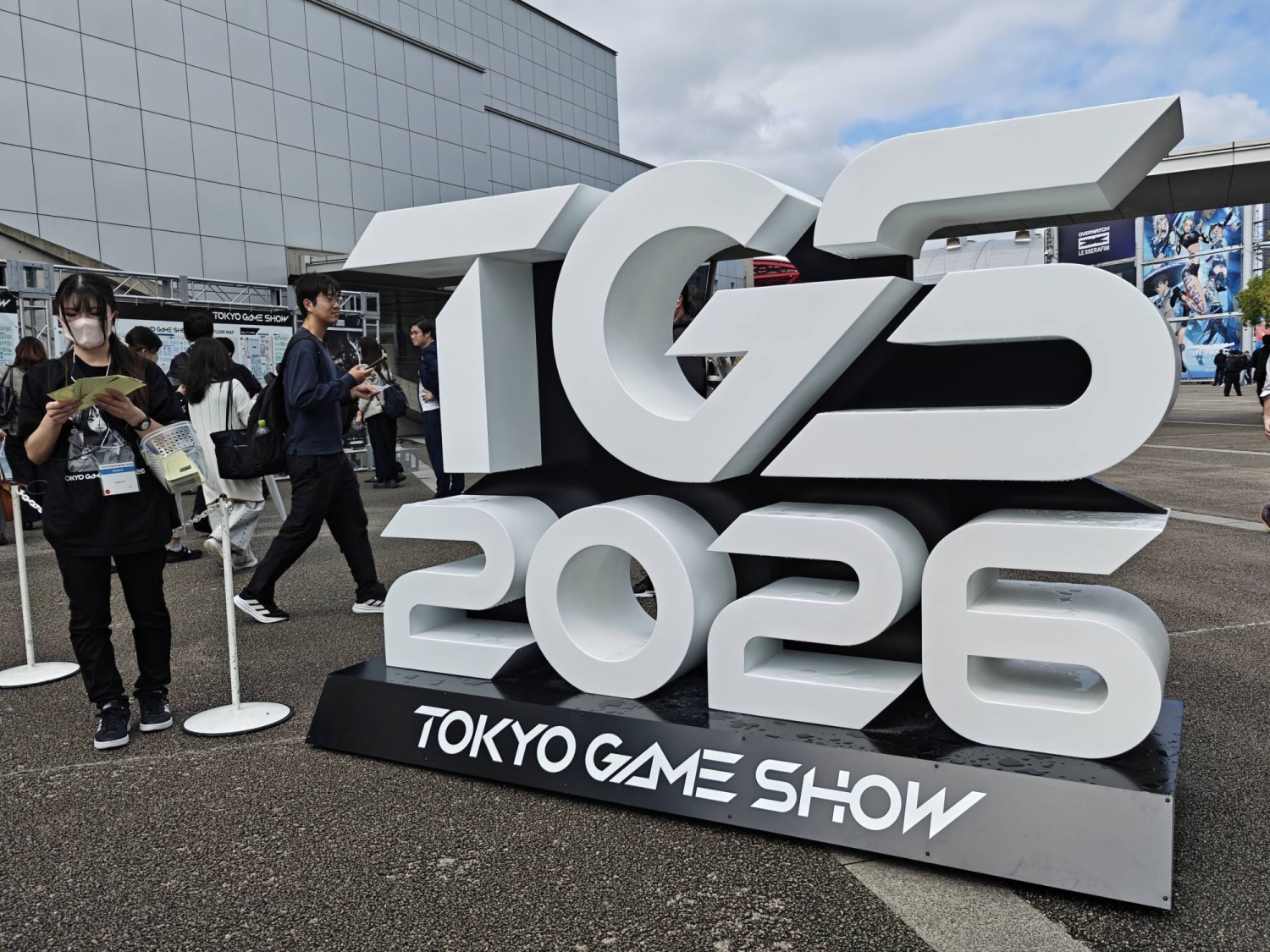
The Tokyo Game Show, marking its three-decade presence, is presented by The Japan Times Life as a global gaming institution, having reportedly navigated challenges from Nintendo's initial absence to pandemic disruptions. This assessment positions the event as a constant in a dynamic industry. However, the continued prominence of a single, long-standing event in Tokyo exists against a backdrop of less stable economic and social realities for the broader region.
While the Tokyo Game Show has weathered 30 years, broader Japanese economic indicators suggest a different trajectory. Commercial land prices in Tokyo have reportedly reached a 33-year high as remote work reportedly recedes, according to Nikkei Asia. This rise in property values could indicate a return to office-centric work, but it also increases operational costs for businesses, potentially impacting smaller developers or those without established capital. Concurrently, Japanese household spending in July reportedly fell at its fastest pace in 2-1/2 years, a data point from Reuters, which suggests consumer caution or decreased purchasing power at a fundamental level. This decline in domestic spending contrasts with the image of a thriving global institution and could limit local market growth for gaming.
Further economic pressures are evident in the financial markets. Japanese borrowing costs have reportedly reached a 30-year high, and Bessent states that Tokyo may intervene to boost the yen, as reported by CNBC. This monetary instability creates an environment of unpredictability for businesses and consumers alike. Within the gaming sector, Nintendo's shares reportedly slumped earlier this year due to price hikes and a perceived games shortfall, according to Reuters. This suggests that even major players are not immune to market pressures or shifts in consumer sentiment, challenging the notion of an unassailable industry stronghold.
These economic indicators, when viewed together, suggest that the perceived resilience of events like the Tokyo Game Show might not reflect the underlying economic challenges in Japan. While the event celebrates its longevity, the day-to-day costs of living and doing business in Tokyo appear to be increasing, while household spending is decreasing. For Thailand and other Asia-Pacific nations eyeing Japan as a model for technology or cultural exports, this presents a nuanced picture. The success of a large-scale event, particularly one that attracts international attention, can obscure the financial strain experienced by its host country's citizens and smaller enterprises. The cost of living in major Japanese cities, already high, could become a barrier for aspiring creators or smaller studios from the region seeking to participate in or establish a presence in this market.
In the context of technology adoption, Waymo plans to start a robotaxi service in Tokyo next year, a move Bloomberg reports as part of an Asia push. This type of high-tech development, while forward-looking, primarily benefits the companies deploying the technology and potentially high-income users. It does not directly address the broader economic strains or the costs faced by the average Japanese household. Instead, it highlights a dual reality: a nation that remains a hub for cutting-edge technology and global events, yet grapples with internal economic pressures that affect its population. This tension between global image and domestic reality offers a caution for other nations in the Asia-Pacific region aiming for similar international recognition without first ensuring a robust and equitable internal economic foundation.
Sources
Newsletter
Pacific Daily
A curated briefing from Thailand, Asia-Pacific and the world.