The Kitchen Table Is Not a Drug Testing Laboratory
Police tracing cannabis sweets purchased online expose how e-commerce leaves consumers to absorb the physical hazards of unverified goods
SINGAPORE
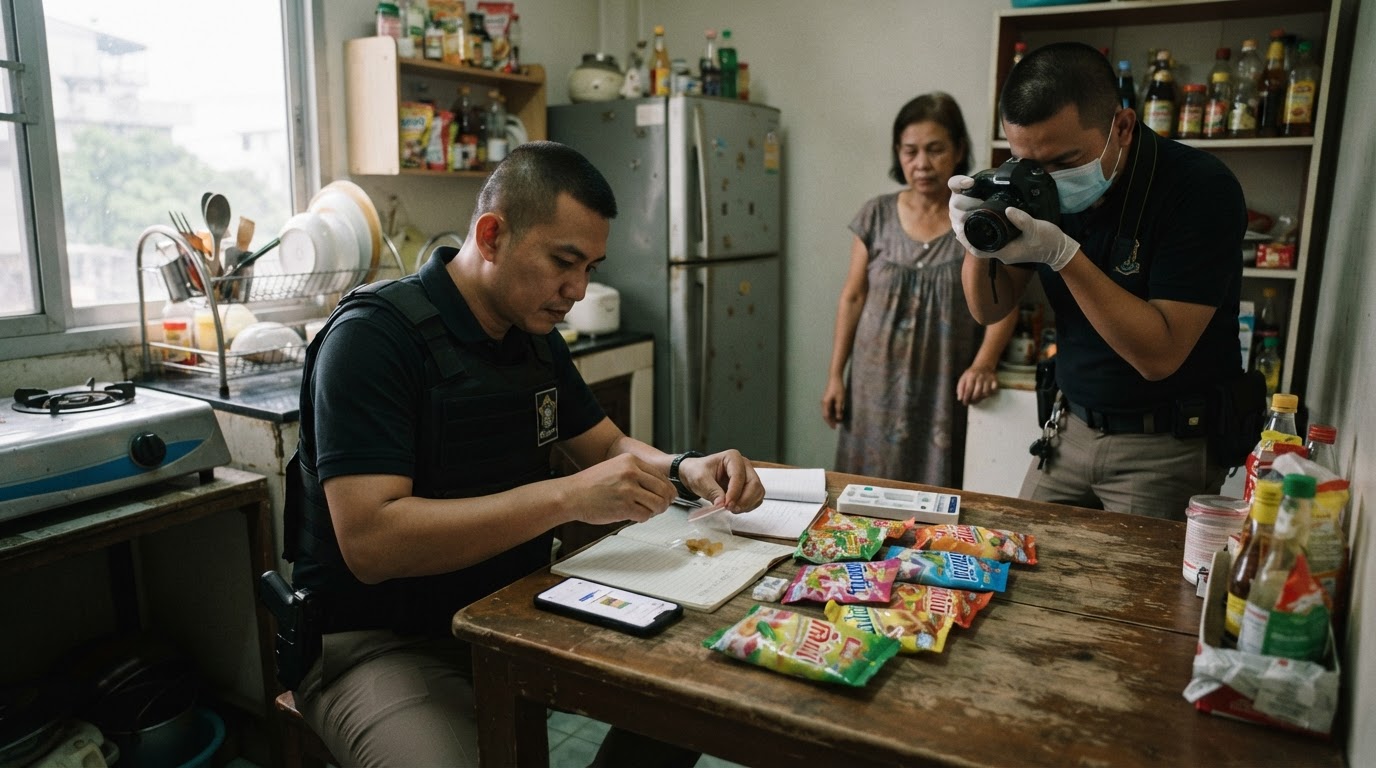
A delivery box of confectionery ordered from an online vendor sent three family members, including a two-year-old boy, into emergency medical care. Police investigators report that the seized sweets are suspected of containing cannabis, triggering an inquiry into how uncertified psychoactive edibles moved directly into a domestic residence. What unfolded inside that home demonstrates how modern parcel logistics quietly transfers physical peril past state inspection barriers. When food oversight fails to govern virtual storefronts, the domestic kitchen table becomes the final and most hazardous point of contact.
The physical evidence indicates a transaction pattern that has become routine. Consumers browse virtual marketplace listings, select packaged snacks, and receive sealed consignments within days. Digital sales platforms process these orders, taking transaction cuts while treating cardboard boxes as inert freight that requires no health verification. According to police statements, officers are now examining dispatch logs and distribution networks connecting buyer and seller, tracing movements toward hubs such as Bangkok. Yet that investigative response arrived only after the sweets were ingested and three individuals fell severely ill. Retrospective tracing cannot reverse physical harm.
That structural delay defines the operational failure. Emergency hospital wards, rather than regulatory food inspection agencies, functioned as the initial detection mechanism.
Cross-Border Hazards and Unscreened Parcels
Chemical contamination in sweet treats represents an established consumer vulnerability rather than an isolated accident. In the Netherlands, confectionery manufacturer Haribo initiated a product recall after testing discovered traces of cannabis within packaged sweets. Broader public anxieties in 2021 also underscored how easily psychoactive substances infiltrate casual snacking when informal supply networks operate without systematic oversight. Manufactured sweets depend on vivid packaging, soft gelatin textures, and fruit aromas designed to lower consumer vigilance. For a two-year-old child, an edible product containing active cannabinoids looks completely identical to an ordinary confection. The sensory cues that signal harmless indulgence mask the underlying pharmacological hazard.
When chemical screening occurs only after emergency hospitalization, domestic dining tables serve as the default testing ground.
Platform operators contend that universal chemical screening of every parcel is technically unworkable and would paralyze retail trade. Sorting hubs process vast cargo volumes under rigid deadlines, making manual package inspection commercially prohibitive. From this market perspective, adult buyers must bear the ultimate duty of vigilance, verifying seller credentials before offering mail-order treats to minors. That defense, however, demands unreasonable technical expertise from ordinary households. A buyer opening a sealed parcel cannot conduct laboratory analysis or chemical chromatography on a kitchen counter before feeding a child. The responsibility is pushed entirely onto the party least equipped to manage it.
The Imbalance of Retrospective Policing
Traditional food safety frameworks were built for physical grocery aisles and verifiable supply chains. Municipal health inspectors could audit store shelves, verify registration numbers, and confiscate illicit food before purchase. Digital storefronts dissolve that protective friction. Unregulated merchants can establish transient online profiles, liquidate unverified inventory, and erase accounts before authorities register their presence. State enforcement therefore remains perpetually retrospective, activated only after children suffer poisoning and hospital admissions generate police reports. The regulatory apparatus is structured around fixed addresses, while the market operates through ephemeral parcel networks.
Tracing an individual dispatch to a warehouse will not resolve this systemic hazard. Prosecuting a single vendor may close one case file, yet the commercial architecture enabling the transaction remains unchanged. Until platform operators are held legally accountable for the safety of consumables passing through their systems, households will continue to carry the physical burden of market failure. The real tension is whether platforms will ever be compelled to police what they distribute, or whether families must remain the involuntary shock absorbers of digital trade.
Sources
Newsletter
Pacific Daily
A curated briefing from Thailand, Asia-Pacific and the world.