A Bangkok Fire Reveals Underinvestment in Critical Infrastructure
The recent electrical fire at Tao Poon MRT station, while quickly contained, exposes underlying vulnerabilities in Thailand’s urban transport systems.
BANGKOK
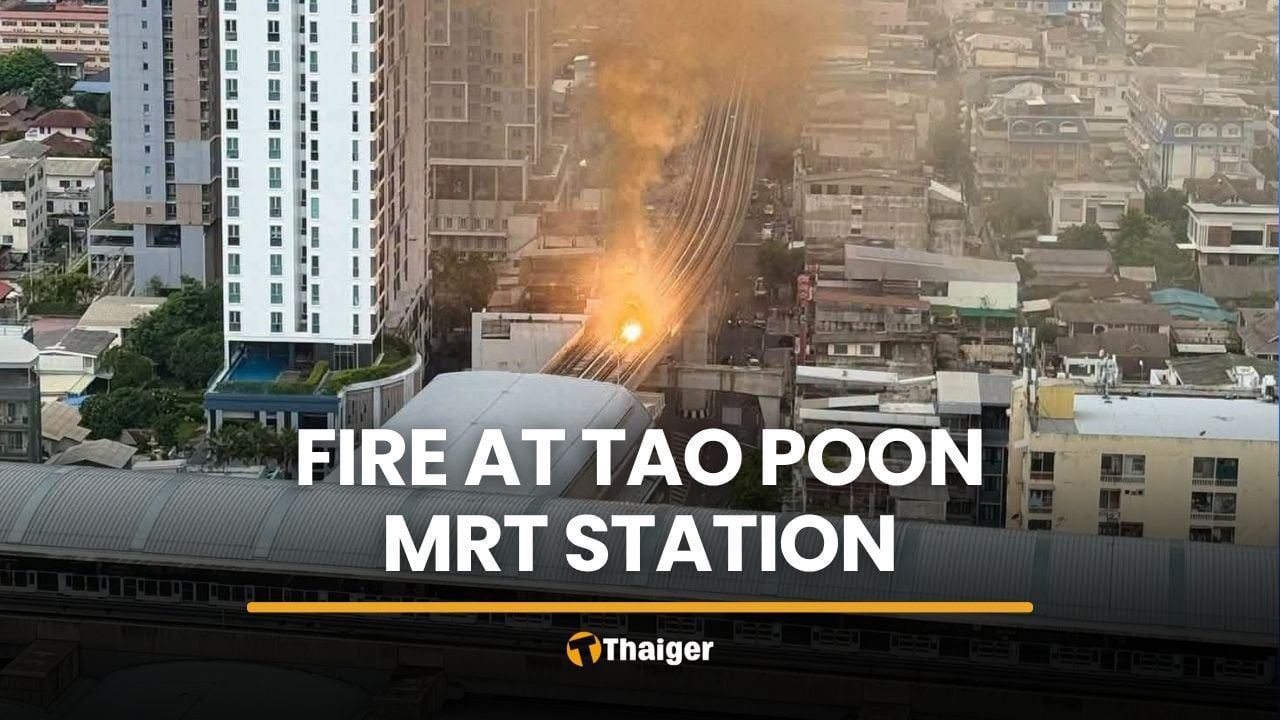
The electrical fire at Bangkok’s Tao Poon MRT station on September 20 resulted in a temporary suspension of Blue Line services and necessitated passenger evacuation. The Rama 9 radio centre received the initial report at 12:20 PM, detailing flames around electrical equipment near the station on Pracharat Sai 2 Road. Bang Pho firefighters arrived shortly thereafter and entered the electrical control area by 12:43 PM with thermal imaging equipment and smoke extractors. No injuries were reported, and all passengers were evacuated.
This incident, though minor in immediate impact, points to a broader pattern of underinvestment in the maintenance and resilience of critical public infrastructure in Thailand. The rapid response from emergency services contained the fire, preventing a larger catastrophe. However, the occurrence of an electrical fire on tracks, leading to service disruption, suggests that existing maintenance protocols or infrastructure age may not fully mitigate such risks. The Bangkok Expressway and Metro Public Company, which operates the Blue Line, has not commented on the specific cause of the electrical fault.
While this event is geographically contained, similar incidents of rail disruption due to electrical faults or fires have been reported elsewhere. For instance, a maintenance train fire at Penn Station in New York injured five and disrupted rail service in May 2026. Power failures in the UK affected thousands of rail passengers in August 2026, and a grass fire near Heathrow disrupted train links in September 2026. These events, while diverse in their immediate cause, underscore the vulnerability of complex transport networks to operational failures.
Some might argue that such incidents are isolated and quickly managed, indicating robust emergency response systems rather than systemic issues. They might point to the lack of injuries at Tao Poon as evidence that safety measures are sufficient. This perspective, however, overlooks the daily impact on commuters. Temporary suspensions, even if brief, translate into lost time, missed connections, and increased stress for those who rely on public transport for their livelihoods and daily routines. The cost of disruption is not merely financial; it is borne by individual passengers, whose schedules and plans are abruptly altered.
The prompt evacuation and lack of reported injuries at Tao Poon are positive outcomes, reflecting effective emergency procedures. Yet, the underlying cause—an electrical fire on the tracks—remains an operational concern. Without addressing the root causes of such failures, which often involve an interplay of aging infrastructure, maintenance funding, and inspection frequency, the risk of future disruptions persists. The question for Thailand is not whether an incident can be contained, but whether it can be prevented in the first place, ensuring that the burden of reliability does not fall consistently on the public.
Sources
Newsletter
Pacific Daily
A curated briefing from Thailand, Asia-Pacific and the world.