Awards and the Erasure of Thai Living
The annual celebration of property development in Thailand, while marking a decade, quietly redefines what constitutes the 'best' of Thai residential life.
SINGAPORE
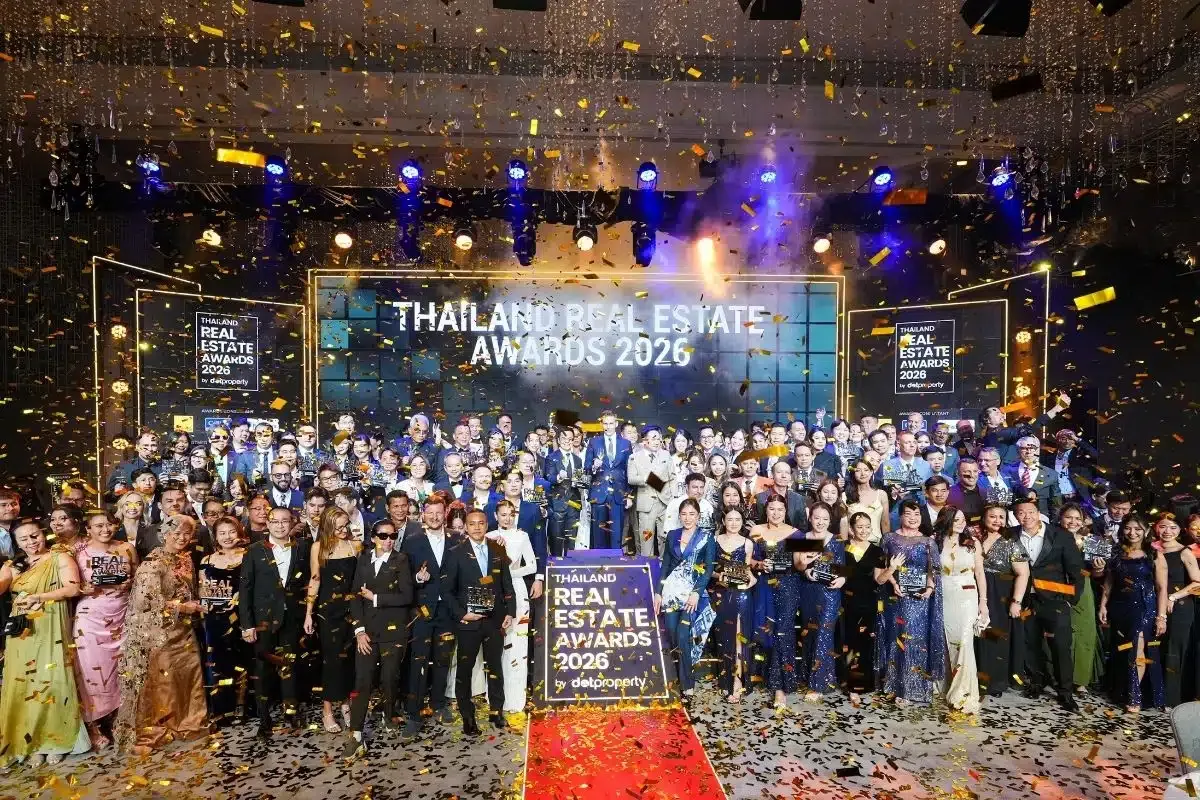
The gathering at Four Seasons Hotel Bangkok at Chao Phraya River on August 27 marked the tenth anniversary of the Thailand Real Estate Awards 2026. This event, where AP (Thailand) Public Company Limited received the Developer of the Year Thailand 2026, is described by its organizers as an exclusive celebration of the country’s property industry and a representation of its strength. The recognition of AP (Thailand) is specifically for its contribution to the “continued evolution of living in Thailand.”
Historically, the notion of 'living' in Thailand, particularly in its urban centers, has been characterized by a certain adaptive ingenuity within communal and often organic structures. The built environment, from traditional shophouses to clusters of homes around temples or markets, reflected a pragmatic negotiation with space, climate, and social interaction. Developments were often incremental, responding to immediate needs and local materials. The idea of an 'evolution' of living, when framed by property awards, necessarily shifts this understanding. It suggests a progressive trajectory, defined by metrics and standards that are often distinct from these historical patterns.
While the awards celebrate developers and projects, they also highlight a particular model of regional integration. Thailand’s real estate market, as evidenced by awards like the PropertyGuru Asia Property Awards, which celebrated two decades of excellence, and the Dot Property Southeast Asia Awards, is increasingly benchmarked against broader regional standards. These events, whether focused on Thailand, Southeast Asia, or Asia as a whole, coalesce around a vision of 'excellence' that often prioritizes scale, modern amenities, and often, an aesthetic of globalized luxury. Brighton College Bangkok, for instance, is presented as “celebrated worldwide, built for the future,” indicating a broader trend of internationalized development.
The consequence of such sustained celebration of one development model is a quiet reframing of value. The language used in these contexts – “leading developers,” “best of the country’s property industry,” “strength of Thai real estate” – implicitly positions award-winning residential projects as the pinnacle of achievement. What is quietly being replaced are the diverse, often informal, and locally rooted forms of housing and community that have long sustained a significant portion of the population. The 'evolution' thus celebrated may represent a form of progress, but it is a progress that potentially narrows the definition of what constitutes desirable and authentic Thai living, often in favor of commercially driven, standardized interpretations. The question then becomes: who defines this evolution, and for whom is it truly beneficial?
Sources
Newsletter
Pacific Daily
A curated briefing from Thailand, Asia-Pacific and the world.