Thai Temple Drug Issues Signal Deeper Community Strain
The disrobing of monks in Surin points to a persistent challenge within rural society and its institutions.
SINGAPORE
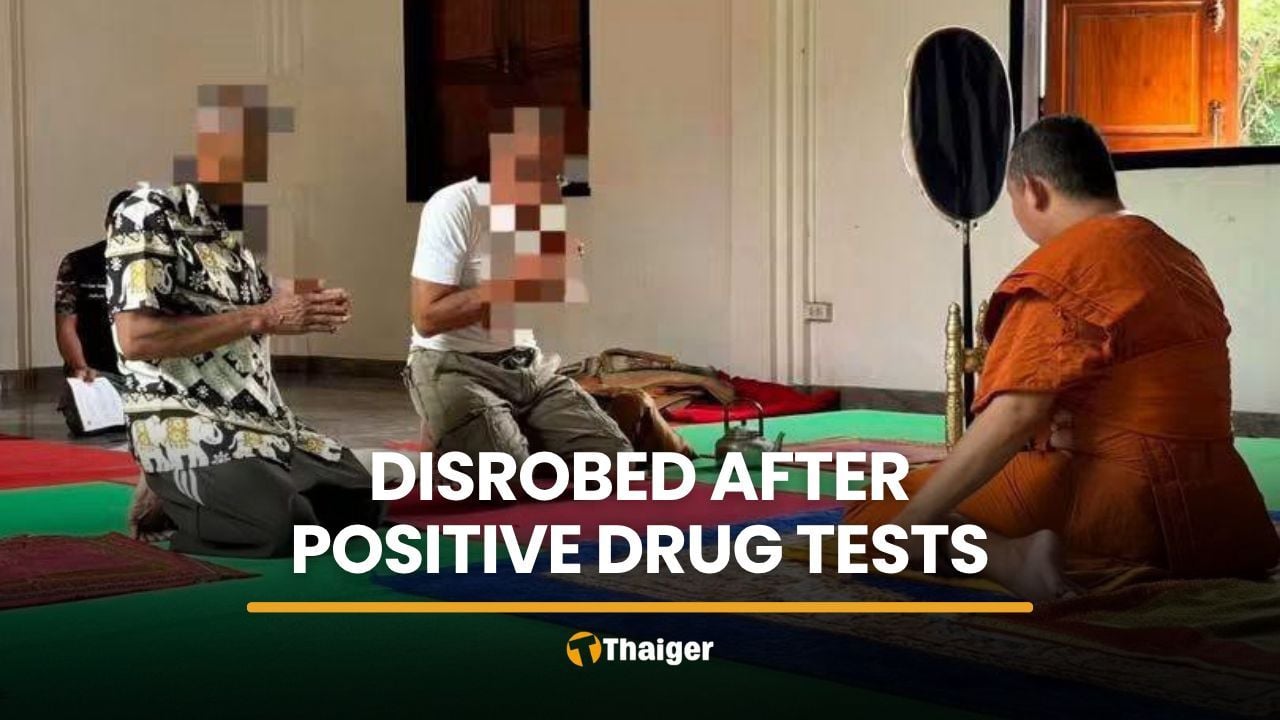
On September 18, an abbot and another monk from Wat Ban Chang Pi in Surin were disrobed following positive drug tests. This action came after local officials, police, and administrators inspected the temple in Sikhoraphum district, responding to complaints about suspected drug activity, particularly around the abbot’s living quarters. Ten monks were tested, with two testing positive, leading to their immediate disrobing and transfer to Sikhoraphum Hospital for rehabilitation.
This incident, while seemingly isolated, highlights a persistent challenge within Thailand's rural communities and, by extension, its religious institutions. The presence of drug use in a monastic setting indicates that societal problems often penetrate even the most venerated establishments. Monasteries, traditionally seen as moral anchors and community centers, are not immune to the pressures and illicit activities that affect the wider population. The fact that the positive tests were a result of complaints from the community suggests a breakdown in trust and an underlying awareness of issues that may have been present for some time. When a temple, a place meant for spiritual guidance, becomes associated with drug use, it raises questions about the support structures available to both the clergy and the lay community.
Some might argue that such incidents are rare and do not reflect broader trends, or that swift action by authorities, as seen in Surin, effectively contains the problem. They might suggest that focusing on individual cases distracts from the overall positive role of temples in Thai society, or that the issue is primarily one of individual moral failing rather than systemic concern. The prompt disrobing and referral to rehabilitation could be interpreted as a sign that the system is working to address deviations from expected conduct within the monkhood.
However, the ongoing nature of drug enforcement operations in rural areas, which led to this inspection, suggests that these are not entirely isolated events. For the average resident in Sikhoraphum, an incident like this changes the perception of a local institution meant to provide stability. It forces a re-evaluation of where community problems truly lie and who is equipped to address them effectively. The involvement of multiple layers of administration, from district officials to police, underscores the seriousness with which these complaints are treated, indicating that the impact extends beyond the individuals involved.
The outcome now depends on how these communities and institutions respond to such breaches of trust. It requires more than just disrobing; it demands a deeper engagement with the societal factors that drive drug use, whether within or outside monastic walls. The episode in Surin indicates that the challenges facing rural Thai society continue to manifest in various forms, requiring sustained attention to both rehabilitation and prevention within all community structures.
Sources
Newsletter
Pacific Daily
A curated briefing from Thailand, Asia-Pacific and the world.