Muay Thai Music: Structural Imperatives and Cultural Preservation
The ringside ensemble in Thai boxing is more than atmosphere; it is a foundational element defining the sport's character and economic viability.
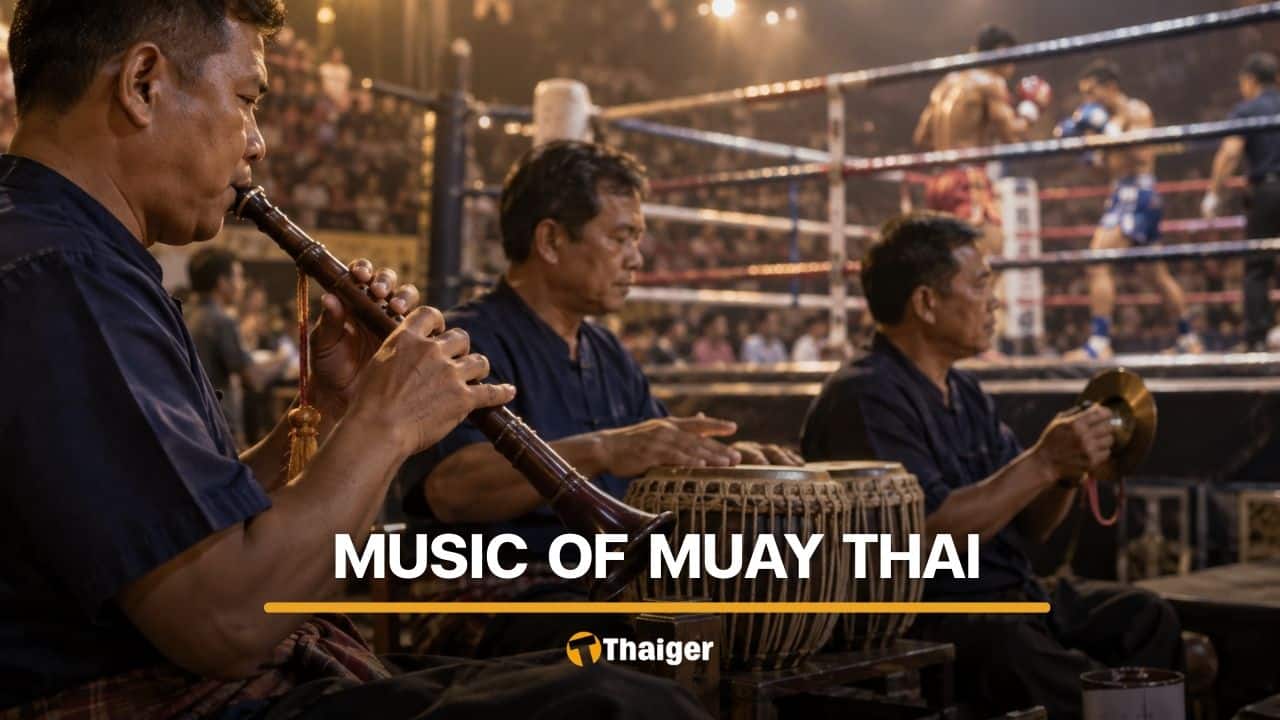
SINGAPORE
The persistent presence of the live musical ensemble, known as phleng muay, in traditional Muay Thai fights is not a minor detail for cultural enrichment. It is a structural requirement that influences the sport’s identity and, consequently, its economic model in Thailand and the wider Asia-Pacific region.
Traditional Muay Thai, unlike many combat sports, integrates a live musical performance throughout each match. The wong pi chawa klong khaek, comprising the pi chawa reed instrument, klong khaek drums, and ching cymbals, provides a continuous sonic backdrop. This is not incidental background noise; it is an intrinsic component of the experience, deeply embedded in the sport's history and presentation.
The implications of this are significant. This musical tradition distinguishes Muay Thai from other martial arts and combat sports that rely on recorded music or silence. This distinction is a market differentiator. As economic pressures mount, particularly with young fighters like the 9-year-old Thai fighter mentioned by Reuters in 2021, the marketability of Muay Thai as a unique cultural spectacle becomes critical. The phleng muay contributes directly to this perceived authenticity and distinctiveness, thereby supporting the sport's appeal to both local and international audiences. Without it, the structural integrity of the 'traditional Muay Thai' brand weakens.
One might argue that the musical accompaniment is merely a superficial aesthetic, easily discarded in favor of modern production values or cost-cutting. Some combat sports have indeed moved towards more contemporary, often pre-recorded, soundscapes. However, such a change for Muay Thai would represent a fundamental alteration, not an evolution. It would detach the sport from its cultural roots, diluting what makes it unique. While this might offer short-term operational efficiencies, it risks eroding the very characteristic that draws audiences seeking an authentic Thai experience.
The continued reliance on live musicians also points to a broader structural challenge: the preservation of specialized cultural performance skills in a rapidly modernizing economy. The specific instruments and performance styles are not universally common; they require dedicated training and cultural transmission. The economic sustainability of Muay Thai, therefore, becomes intertwined with the viability of these cultural practitioners. Any policy or economic shift that undervalues this musical component risks not only diminishing Muay Thai but also eroding a specific musical heritage.
The essential fact remains: the music is not optional. It is a non-negotiable aspect of traditional Muay Thai. Decisions regarding the sport's future, whether commercial or cultural, must account for the economic and cultural ecosystem that sustains the phleng muay. The outcome for Muay Thai’s unique position will depend on how effectively stakeholders navigate the imperatives of tradition against the pressures of modernization, particularly concerning elements like the ringside music that are, in fact, structural pillars.
Sources
Newsletter
Pacific Daily
A curated briefing from Thailand, Asia-Pacific and the world.