Thai Navy's Rescue Effort Highlights Resource Allocation for Civilian Safety
The response to a fishing boat sinking near Sattahip shows military capability but also raises questions about dedicated civilian maritime safety infrastructure.
SINGAPORE
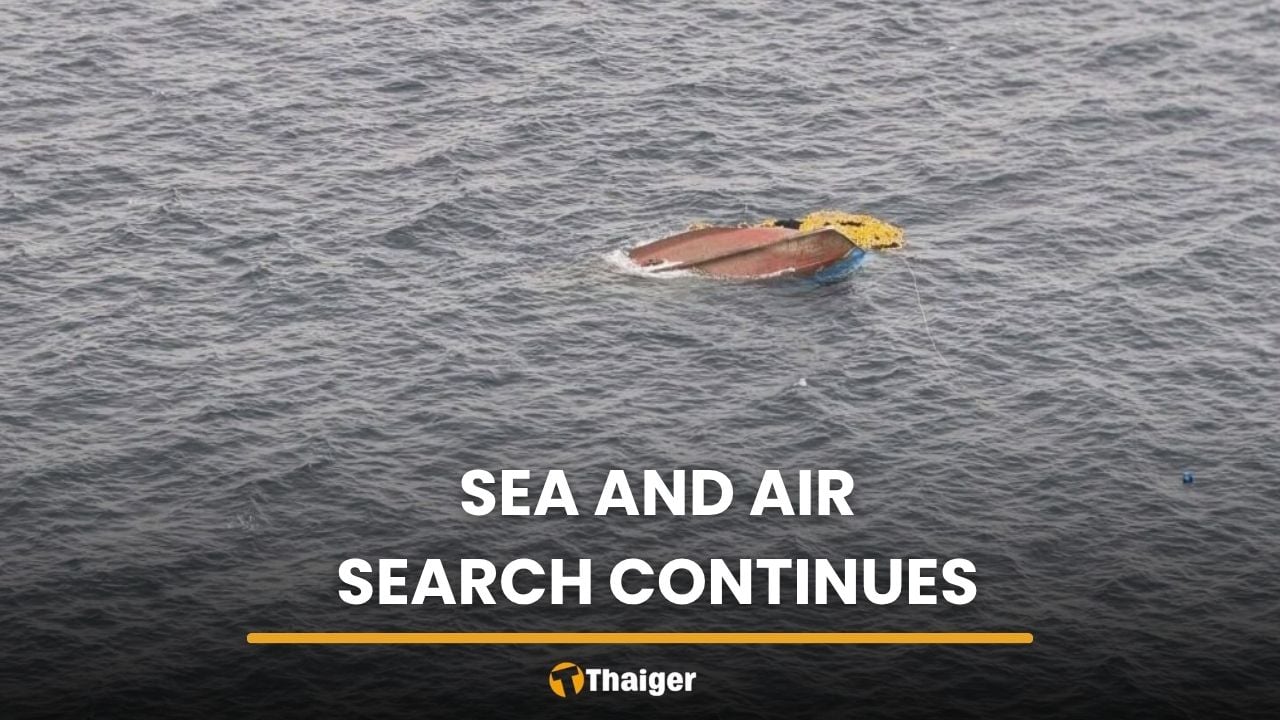
The fishing boat Sor Kanchanawaree 888 sank off Sattahip in Chon Buri. Of the 22 people aboard, three have died, and four remain missing. Fifteen individuals were rescued. The Thai navy deployed a patrol vessel, a helicopter, and special operations personnel in the ongoing search, a deployment managed by the First Naval Area Command operations centre.
This immediate military response to a civilian maritime tragedy demonstrates a specific capability. However, it also brings into focus the broader patterns of how resources are allocated for safety in the region. Security ties between Thailand and the United States, for example, felt the 'chill' of the 2014 coup, according to a 2016 Reuters report. Two years later, in 2017, the Cobra Gold military exercises began with the head of US-Pacific Command urging democracy in Thailand, as reported by International Business Times. More recently, in 2019, the first US-ASEAN naval exercise commenced. This suggests a consistent focus on strategic military development and international security partnerships.
For an everyday economy, the question is how this investment in strategic defense capabilities translates into consistent, accessible safety for citizens engaged in daily activities. While military assets are undoubtedly versatile and can be redeployed for search and rescue, their primary purpose and funding often relate to national and regional defense. The Lowy Institute, in March 2026, published an analysis titled 'After America: How Southeast Asia can defend itself,' indicating the ongoing strategic dialogue around military preparedness.
The counterargument holds that a robust military serves all citizens, including during civilian emergencies. The naval assets used in the search for the Sor Kanchanawaree 888 directly assisted public safety. A well-trained and equipped naval force offers crucial support in crises. This deployment is evidence of that. However, the balance between capabilities optimized for large-scale defense scenarios versus those dedicated to routine civilian emergencies remains a point for national budget consideration.
This incident highlights the safety of individuals involved in commercial maritime activities. The immediate human cost is clear, with three confirmed deaths and four still missing. Reports indicated the captain was among the deceased, though this was not officially confirmed. The continuous reliance on military resources for civilian incidents, while effective for the fifteen rescued, suggests that resources might be heavily weighted towards strategic defense. This could leave a gap in dedicated civilian emergency response infrastructure and dedicated funding for everyday maritime safety measures, such as robust inspection regimes for fishing vessels. The fate of the four missing individuals depends on the ongoing deployment of resources.
Sources
Newsletter
Pacific Daily
A curated briefing from Thailand, Asia-Pacific and the world.