The Friction Behind the Outlet Surge
Bicester Villages record surging footfall in China, demonstrating that preserving retail prestige requires restructuring discount channels rather than acknowledging broader spending contraction.
SINGAPORE
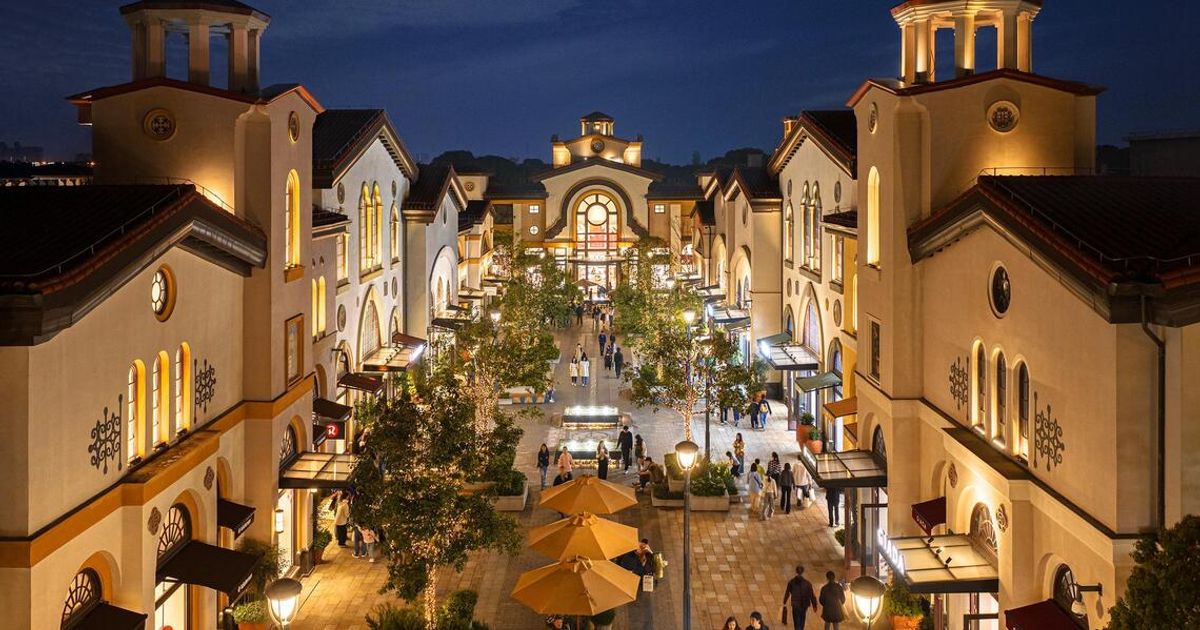
Retail balance sheets in China present a stark divergence. Broader retail spending remains subdued across key urban centers, yet outlet operators report double-digit expansion. The Bicester Collection confirms its two Chinese locations are recording high double-digit growth, with Suzhou up 43 percent as Suzhou Village tracks toward 5 million guests this year. That disparity between macroeconomic belt-tightening and regional outlet performance is neither accidental nor entirely organic.
Corporate operators describe this trajectory as a triumph of hospitality and enhanced customer service. Lounges, dining facilities, and dedicated amenities are assembled to persuade high-spending VIC shoppers that secondary distribution carries the same social cachet as prime flagship stores. Observers characterize the behavior as choosing to downgrade with dignity. What that framing obscures is the mechanical reality behind the surge. When primary retail channels encounter weakened full-price absorption, outlet centers absorb excess stock while insulating brand pricing architecture from public markdowns.
Shifting Footfall Across Border Corridors
Regional consumption flows demonstrate that value extraction is no longer confined to domestic commuters. Singaporeans rank in the top five foreign nationalities by departure tax value at Bicester Villages, illustrating how discount retail draws cross-border capital even as regional discretionary budgets compress. European destinations like Bicester have long captured foreign tourism expenditure, but the replication of the model in Suzhou and near Shanghai serves an altered purpose. Domestic consumers redirect spending that once flowed outward into controlled regional compounds, while foreign visitors leverage duty and tax structures to secure price concessions.
Defenders of the outlet model argue that these complexes cultivate lasting brand loyalty by accommodating consumers during cyclical downturns. If buyers retain contact with labels like Valentino in managed environments, the argument runs, full-price conversion will follow once broader economic momentum resumes. That proposition assumes consumer habits remain elastic once price discipline dissolves.
The Limit of Managed Markdowns
Secondary distribution faces a structural constraint. When operators rely on VIC shoppers to drive outlet footfall, they risk institutionalizing discounted pricing among the exact clientele expected to sustain flagship margins. Lounges, stylized European architecture, and curated hospitality mask the underlying transaction, but they do not eliminate it: consumers are paying less per unit for surplus manufactured inventory.
High footfall figures provide temporary volume relief for European and United States retail groups navigating flat mainland turnover. Yet counting 5 million visitors through Suzhou Village does not resolve the broader stagnation in discretionary retail demand. It confirms that affluent buyers will actively pursue lower price points whenever the setting permits them to preserve appearances. Until core full-price boutiques demonstrate sustained baseline growth, expanding outlet revenue reflects brand defense, not structural consumer recovery.
Sources
Newsletter
Pacific Daily
A curated briefing from Thailand, Asia-Pacific and the world.