China's Recall Highlights a Luxury Problem: Design Over Function
A massive recall in China, affecting four million vehicles, underscores the automotive industry's focus on aesthetics, sometimes at the expense of established safety principles.
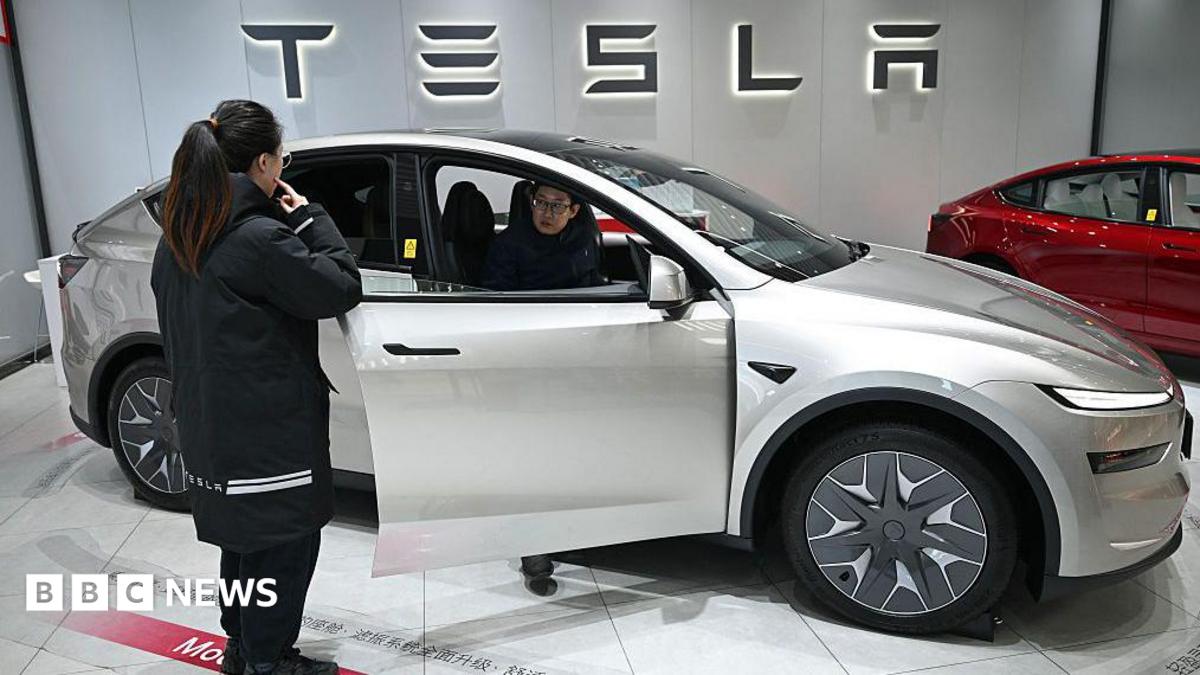
The recall of more than four million vehicles in China, including those from Tesla, XPeng, and Xiaomi, represents a significant market event. This action, reportedly the country’s largest ever car recall, centers on a design element: hidden car door handles. These sleek mechanisms, popularized by Tesla, have become common globally, particularly in electric vehicles (EVs). However, new regulations in China now mandate a mechanical release for both the interior and exterior of vehicle doors, following incidents that raised safety concerns.
The industry's adoption of hidden handles reflects a prevailing trend where design contributes to perceived luxury and technological advancement. For manufacturers, these handles offer an aesthetic advantage, contributing to a seamless vehicle profile. For consumers, the design suggests sophistication and modernity. However, the regulatory response in China suggests that this perceived advantage may have come at the cost of practical functionality and, critically, safety in emergency situations. The BBC Business report, dated 2026-08-26, points to this directly, noting that 'several incidents have raised concerns that this design may make doors' difficult to operate.
This recall is not merely a technical adjustment; it represents a tension between innovation-driven design and foundational safety standards. While design frequently elevates a product's market appeal and allows for premium pricing, the Chinese regulatory move indicates a boundary. The requirement for a mechanical release across all four million affected vehicles, predominantly Teslas according to AFP via Getty Images, signifies a re-evaluation of what constitutes acceptable design in a high-volume market. The financial implications for companies like Tesla, XPeng, and Xiaomi, particularly regarding retrofitting or design alterations, are substantial. The sheer scale of the recall alone suggests a significant financial burden for the involved firms.
However, it is possible that the recall could be seen as a necessary market correction, ultimately leading to a more robust product. Some manufacturers might view the new regulations as an opportunity to refine existing designs, integrating safety features more seamlessly rather than perceiving them as an impediment. This perspective suggests that long-term consumer trust and brand reputation could benefit from proactive safety enhancements. The market for luxury and high-tech vehicles thrives on consumer confidence, which can be eroded by safety concerns.
Ultimately, the situation illustrates a consistent challenge in the automotive sector: balancing the demand for cutting-edge aesthetics with uncompromised safety engineering. The Chinese market, with its scale and regulatory assertiveness, has forced a recalibration of priorities for global and domestic manufacturers. The constraint that remains unresolved is how manufacturers will innovate within these new safety parameters without sacrificing the design elements that define the luxury EV segment.
Sources
Newsletter
Pacific Daily
A curated briefing from Thailand, Asia-Pacific and the world.