Luxury Collaboration Signals Market Stratification, Not Broad Growth
The Rimowa x Faber-Castell artist case, while seemingly niche, highlights a deepening divide in consumer access and aspirational consumption across Asia-Pacific property markets.
SINGAPORE
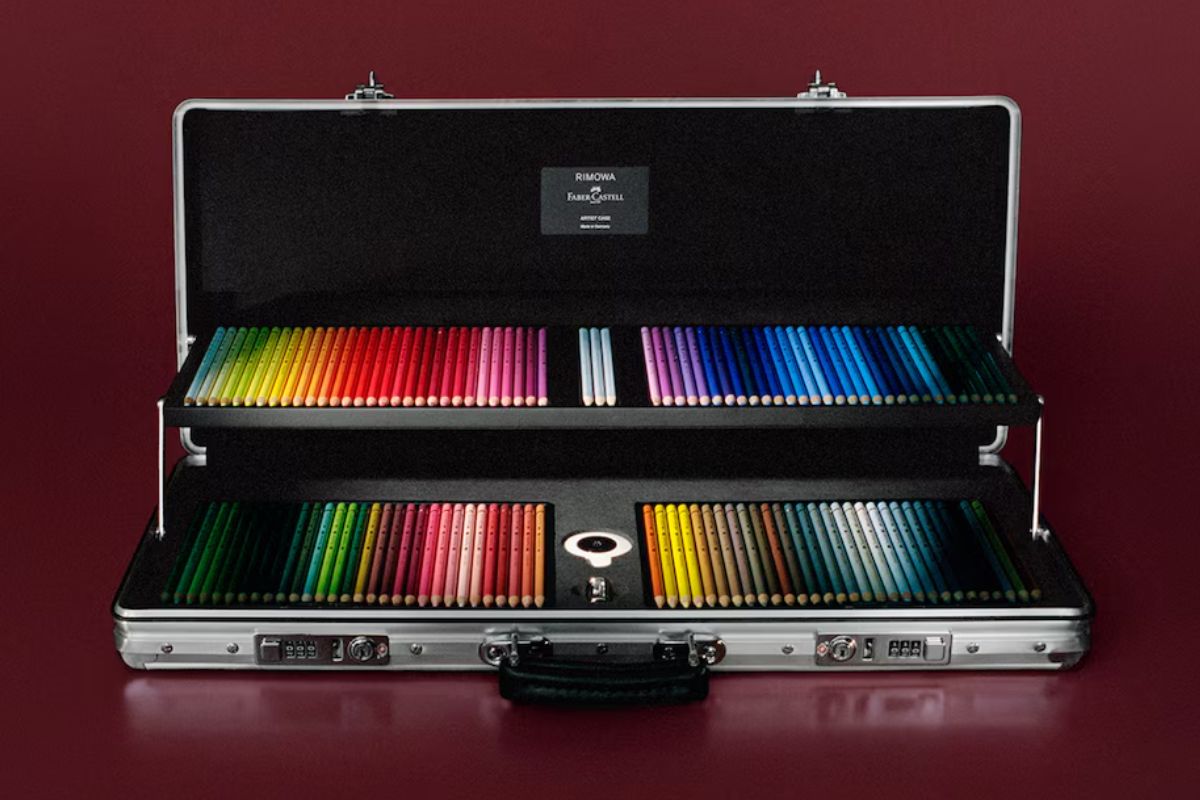
The introduction of a limited-edition artist case by Rimowa and Faber-Castell, transforming Rimowa's signature aluminium luggage design into a container for drawing supplies, signals a specific market movement. Produced at Rimowa’s factory in Cologne, this silver anodised aluminium case is designed for display and storage of the Polychromos drawing collection. Such a product, reported by Bangkok Post Life on September 16, 2026, targeting a high-end niche, reflects a broader economic stratification that impacts property landscapes.
This collaboration, while not directly related to real estate, offers an indicator of where capital and discretionary spending are concentrating. The incentive for both German brands is clearly to tap into the premium segment, which demonstrates resilience even amidst wider economic fluctuations. For Rimowa, a brand previously noted in 2017 by the South China Morning Post for a policy reversal regarding 'fragile' tagging of its suitcases, maintaining a luxury perception is critical. For Faber-Castell, a company whose products Wirecutter reviewed in 2026 and 2020, aligning with a luxury travel brand elevates its perceived value beyond utilitarian art supplies. The outcome is a product priced to appeal to a very specific demographic: individuals with disposable income sufficient for what amounts to a luxury item for hobbyists or collectors. This indicates a sustained demand for prestige goods, which often correlates with investment in luxury property.
In the Asia-Pacific region, this trend is pronounced. Wealth accumulation, particularly in countries like Thailand, has led to a growing segment of buyers for whom prime real estate is not merely shelter but a status symbol and an asset class. Who wins in this scenario? Developers catering to high-net-worth individuals, offering exclusive condominiums, villas, or serviced residences. These properties are not subject to the same demand-supply dynamics as affordable housing. The price points are set by exclusivity and brand association, mirroring the Rimowa-Faber-Castell strategy. This also benefits the luxury retail sector, which often co-locates with or informs the development of high-end property.
However, this focus on the upper echelon invariably means others are priced out. As resources and development capital are drawn towards high-margin luxury projects, the provision of affordable and mid-range housing can suffer. This creates a supply-side imbalance, exacerbating housing unaffordability for a significant portion of the population. The market incentivises catering to the few who can afford luxury, rather than the many who need practical solutions. The long-term outlook suggests a widening gap between property values at the top and the stagnant purchasing power of the middle and lower classes. This is a constraint that remains largely unaddressed, as the allure of premium returns continues to shape development decisions.
Who is not being quoted in discussions about such luxury collaborations or their broader economic implications? The majority of consumers for whom a “pencil case” costing thousands would be an absurd proposition. Their aspirations, increasingly distant from achievable property ownership in prime locations, become secondary to the pursuit of luxury market segments. The outcome now depends on whether policy interventions will eventually balance the market's natural inclination towards high-yield luxury with the societal need for accessible housing across all income brackets.
Sources
Newsletter
Pacific Daily
A curated briefing from Thailand, Asia-Pacific and the world.