Airlines Turn East When Westbound Corridors Close
IndiGo redirects narrowbody capacity to Southeast Asia as fuel expenses climb and northern detours penalise European sectors
SINGAPORE
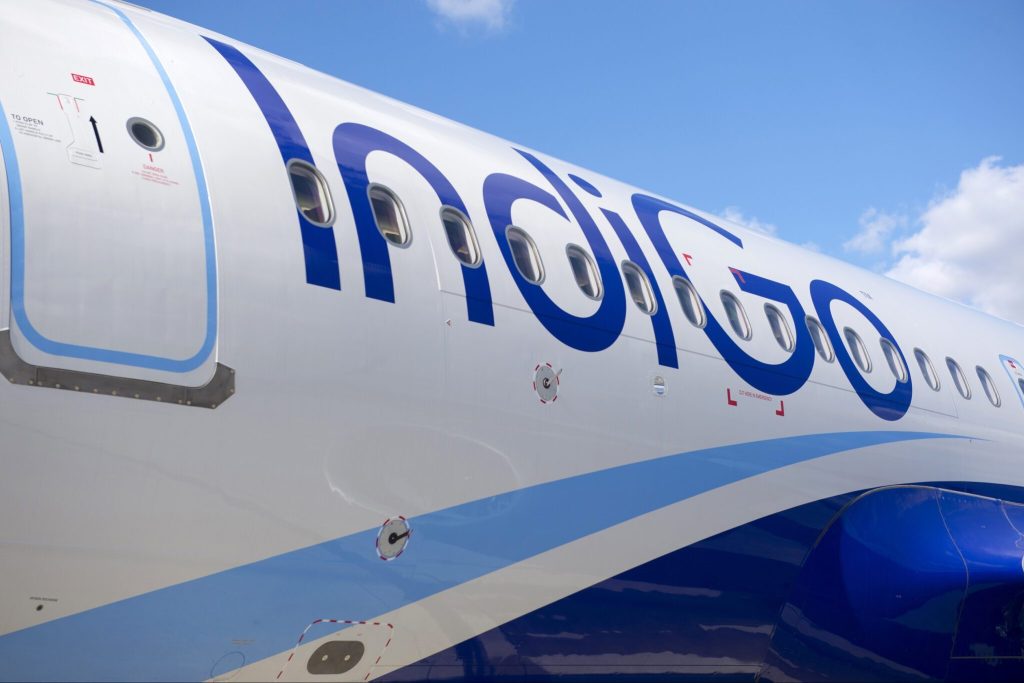
Tarmacs across equatorial capitals operate under an unforgiving balance of payload, turn times and fuel burn. An Airbus A320neo taxiing into a bay in Southeast Asia represents a calculation made hundreds of miles away in dispatch offices in India, where operational maps have tightened. Shifting winds and geopolitics dictate flight economics faster than tourism brochures suggest. For carriers running single-aisle fleets, the eastern horizon offers an escape from western headwinds.
IndiGo has termed its route deployment disciplined growth. Behind that corporate phrasing lies a pragmatic retreat to forgiving operating territory. Flying west toward Europe now demands expensive bypasses around closed Pakistan airspace, burning costly reserves before a single passenger crosses the Middle East. Redirecting narrowbody aircraft toward regional capitals provides steady alternatives. Daily flights linking Delhi with Kuala Lumpur and Bengaluru with Hanoi starting Dec. 20 illustrate where the carrier finds immediate breathing room.
The Geography of Narrowbody Range
Geography penalises long flights operated by twin-engine narrowbodies when direct airways vanish. Detours impose structural weight penalties, forcing choices between freight revenue and passenger seating. Southeast Asia, by contrast, sits comfortably within the uncompromised flight envelope of Indian hubs.
Yet the shift is hardly an uncomplicated triumph. This eastward drift enters markets that IndiGo itself pruned earlier in the year, having cut six routes across the region during the northern summer. Adding seats into cities such as Kuala Lumpur during holiday surges absorbs leisure demand, but regional capacity frequently outstrips traffic once festive periods pass. Running aircraft into peninsular hubs demands continuous load factors that seasonal getaways rarely sustain into the spring.
Defenders of the carrier argue that agile scheduling protects balance sheets. Deploying metal where margins exist, even temporarily, insulates an airline from punishing fuel bills on circuitous western tracks. That flexibility remains the defining advantage of low-fare operations. Still, rotating equipment between regions exposes how dependent discount models are on unhindered skies.
Holiday Demand and Operating Discipline
Equatorial airports extract their own costs in turnaround discipline and regional competition. Flights touching down in Hanoi or Kuala Lumpur meet entrenched regional carriers competing over every seat mile. The real assessment of this eastern deployment begins only after winter leisure peaks dissipate. When holiday travellers return home, airlines must either prove organic corporate traffic or quietly pull airframes back.
For now, the arriving Indian narrowbody on a tropical apron remains a clear portrait of operational shelter. What this regional pivot asks of arriving flyers is a recognition that route maps reflect fuel balance sheets rather than sudden romantic curiosities. Flight paths follow the easiest margins available until the headwinds shift again.
Sources
Newsletter
Pacific Daily
A curated briefing from Thailand, Asia-Pacific and the world.