Qantas Hikes Fares and Deepens Cuts to Flying as Fuel Costs Bite
Australia’s dominant carrier pulls the classic dual lever of higher ticket prices and reduced schedules to absorb rising operating strain.
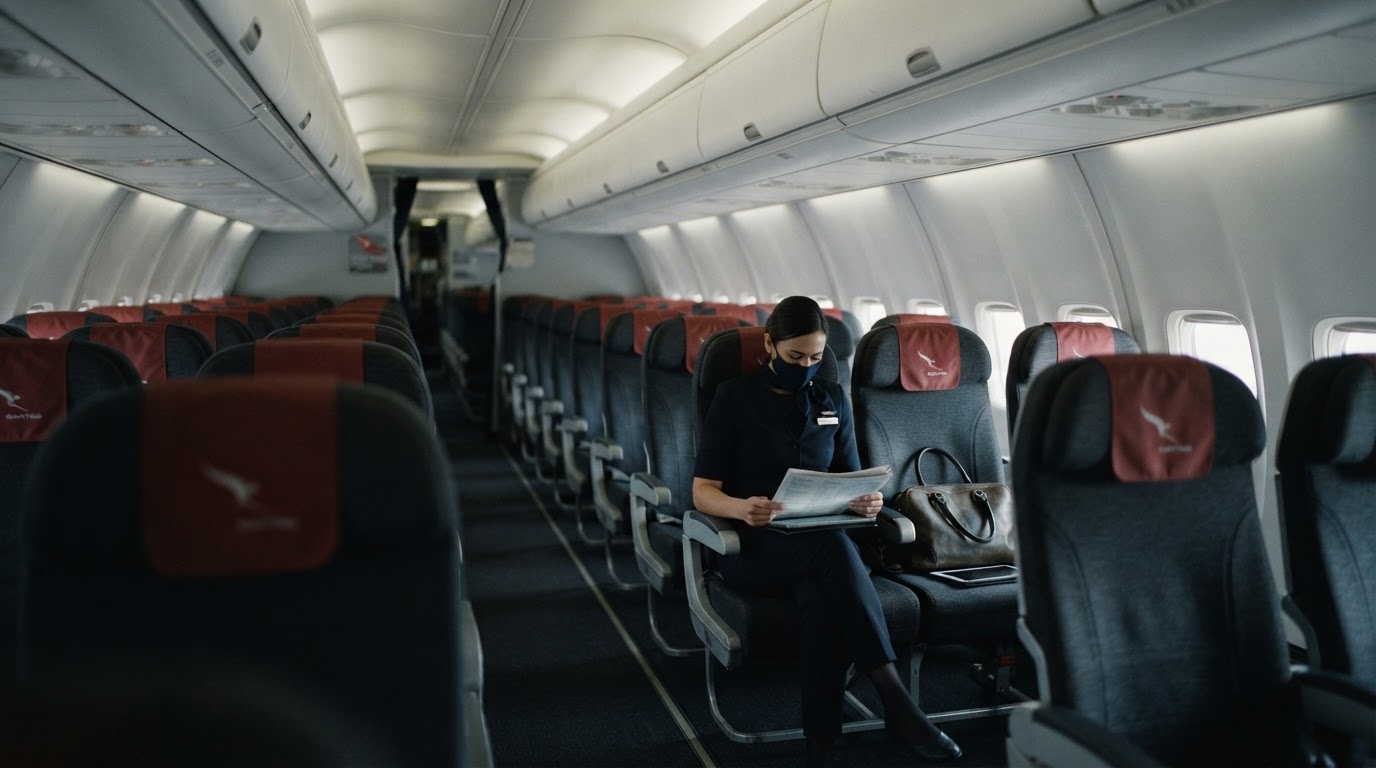
Commercial aviation operates on an unforgiving arithmetic where a carrier controls its cabin configuration but never the price of the fuel required to lift it. When that single input surges, the perimeter of corporate discretion shrinks with brutal speed. Reports published by Bloomberg and The Straits Times on 5 November 2026, followed by the Australian Broadcasting Corporation on 6 November 2026, confirmed that Qantas has enacted its standard structural defense: raising ticket fares while deepening cuts to flying as fuel costs bite across its operation.
Such adjustments present an immediate operational recalibration. By elevating seat prices and simultaneously trimming flight frequency, the Australian airline has chosen to surrender schedule density to protect its balance sheet against rising input expenses. For travelers moving through Australia and across the broader Asia-Pacific, the move delivers a swift reminder that airline network planning is essentially a rationing mechanism when input markets turn hostile.
The Mechanics of Contraction
Carriers facing sharp fuel spikes possess few immediate alternatives beyond adjusting their commercial footprint. One lever dampens traveler surplus through elevated pricing; the other withdraws physical capacity from the market entirely, forcing demand into fewer departures. Running fewer services concentrates passengers onto remaining aircraft, which preserves load efficiency while insulating the company from the full financial penalty of flying half-filled hulls on expensive energy.
Yet this discipline produces friction for passenger routines. Flight cuts reduce operational flexibility for consumers who rely on dependable schedules for business transit and family travel across vast domestic distances. Australia’s geography uniquely penalizes network shrinkage, given that road or rail alternatives cannot bridge continental journeys between major metropolitan hubs. Every cancelled frequency tightens regional connectivity, turning routine air transport into a scarce, tightly priced utility.
Defenders of the retrenchment will argue that capital preservation must take absolute priority over network ambition during periods of price volatility. An airline that absorbs elevated fuel expenses without adjusting its commercial terms eventually jeopardizes its fleet investments and balance-sheet resilience. Absorbing losses in the name of consumer goodwill provides only temporary relief before larger systemic corrections become unavoidable.
Shifting the Burden
There is an inherent paradox in balancing supply against cost inflation. Raising fares while trimming capacity can quickly depress baseline demand among leisure flyers who treat discretionary holiday travel as an elastic expense. While corporate accounts might grudgingly absorb higher tariffs to keep staff mobile, private travelers inevitably reassess non-essential journeys when ticket counters demand higher sums for fewer schedule options.
What unfolds now is a quiet trial between pricing power and passenger restraint across Australian skies. Qantas has signaled that it will not subsidize traveler convenience when operational expenditure escalates beyond tolerable thresholds. Whether passengers accept diminished schedules at higher expense, or simply decide to stay grounded until conditions recalibrate, leaves the real stability of that equation fundamentally unresolved.
Sources
Newsletter
Pacific Daily
A curated briefing from Thailand, Asia-Pacific and the world.