Luxury Sales Decline Signals Shifting Consumer Patterns in Asia-Pacific
LVMH's latest financial report, marked by contracting fashion and leather sales, points to a broader recalibration of luxury consumption across the region, particularly in key markets like China.
SINGAPORE
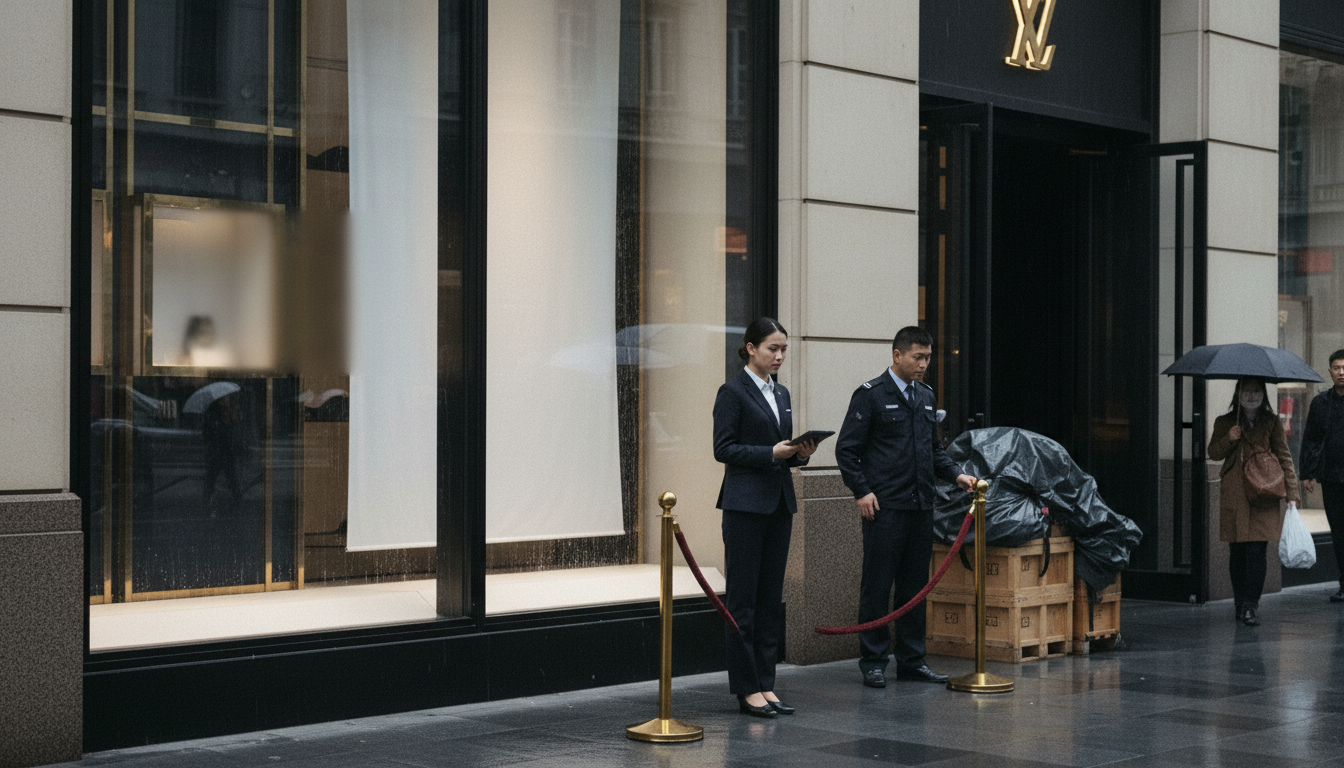
LVMH's third-quarter results, released on Monday, reveal organic sales growth of 1 percent year-on-year to €18.28 billion, falling below the 1.3 percent increase analysts anticipated in Visible Alpha consensus. This outcome represents a downturn from earlier periods; Reuters reported in October 2024 that LVMH sales had fallen 3 percent, and in January 2024, LVMH had reported sales growth. The company's fashion and leather goods division, which includes flagship brands such as Louis Vuitton and Dior, experienced a contraction in sales.
This shift in luxury consumer behavior, notably observed in the company's performance, is not an isolated event. Reports from Reuters indicate that LVMH's third-quarter sales were specifically affected by weak Chinese demand for its flagship brands. This follows a pattern noted by other luxury groups, such as Hermes, which experienced only a “very slight” improvement in China during its third quarter of 2025, as Reuters reported. Kering also saw a 9 percent sales decrease in its third quarter of 2023, with a luxury slowdown stalling its revamp, according to Reuters.
The trajectory of luxury goods consumption in China directly influences regional market dynamics. While Thailand's domestic luxury market is distinct, it is not immune to the broader trends set by Chinese consumers, who have historically been a significant driver of luxury sales both within China and across Asia-Pacific tourist destinations. A sustained moderation in Chinese demand for high-end fashion and leather goods could necessitate strategic adjustments for luxury retailers operating in, or reliant on, the Asia-Pacific market.
The evidence suggests a transition from previous growth expectations. The 2026 figures mark a departure from the "resilience" luxury shoppers showed earlier. The current figures indicate that the earlier sales growth is not sustained. The weakening demand highlights an unresolved tension between the luxury sector's reliance on major markets like China and the evolving economic realities influencing consumer spending in those regions. How these global luxury houses adapt their regional strategies will indicate the extent of this shift.
Sources
Newsletter
Pacific Daily
A curated briefing from Thailand, Asia-Pacific and the world.