Mumbai's Airport Slot Delay Highlights Infrastructure Challenges
Adani Airport Holdings postpones the shift to Navi Mumbai, revealing a tension between expansion plans and operational readiness.
SINGAPORE
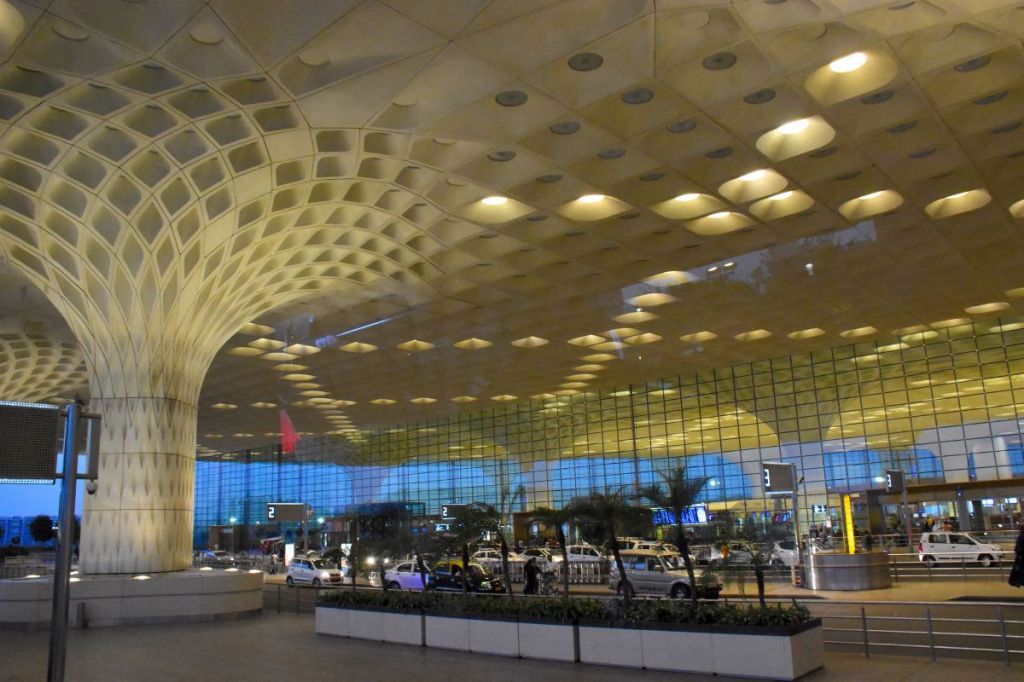
Adani Airport Holdings chose to let airlines keep their winter slots at Chhatrapati Shivaji International Airport. This decision, delaying the shift of international services to Navi Mumbai, reflects a familiar challenge in rapid urban development. Originally planned for an immediate transition, the move is now postponed until the summer schedule, starting March 2027. This postponement, occurring after a meeting with airline representatives on Tuesday, points to underlying issues beyond simple scheduling.
Effective infrastructure serves its users well. When an airport operator, Adani Airport Holdings, delays a critical operational shift due to airline pushback, it suggests a fundamental misalignment. The original plan to move services from Terminal 2 to Navi Mumbai aimed to create space. Yet, the current reality indicates the Navi Mumbai facility is not yet prepared to absorb the planned volume or meet airline operational needs.
Such delays are not isolated. In January 2026, IndiGo vacated 717 slots at domestic airports following the DGCA's curtailment of winter flights. These instances highlight ongoing pressure on India's aviation infrastructure. Mumbai, a city already experiencing a "big jam in the sky" as Livemint described it in 2019, requires operational fluidity.
The postponement offers Adani Airport Holdings additional time to address deficiencies at Navi Mumbai. This period, extending until March 2027, must be used to close operational gaps, as Skift noted. Without substantial improvements, the same resistance from airlines will likely recur come summer. The practical functioning of the new airport, and its ability to integrate with existing airline operations, faces scrutiny.
While the delay avoids immediate disruption for airlines and passengers, it reveals a pattern. Ambitious timelines often meet real-world operational friction. The utility of new infrastructure depends on its capacity to perform from day one. An unfinished or inadequately prepared facility, even if structurally complete, fails its primary purpose of serving the people who use it. The challenge is not just to build, but to ensure operational readiness that matches the scale of investment.
The concession to airlines, keeping their winter slots intact, implies that the immediate operational benefits of the Navi Mumbai airport were not compelling enough. They could not overcome the logistical challenges posed by an early shift. This situation underscores a broader lesson: effective urban infrastructure requires meticulous planning and operational readiness, not merely grand designs. The resolution of this specific delay will indicate whether the additional time genuinely improves the facility's functionality or simply pushes the same problems to a later date.
Sources
Newsletter
Pacific Daily
A curated briefing from Thailand, Asia-Pacific and the world.