Beyond the Briefcase: How Asia-Pacific Hotels Are Mastering the Art of Bleisure
From Singapore to Sydney, business travelers are blurring work and leisure, forcing a revolution in hospitality services.
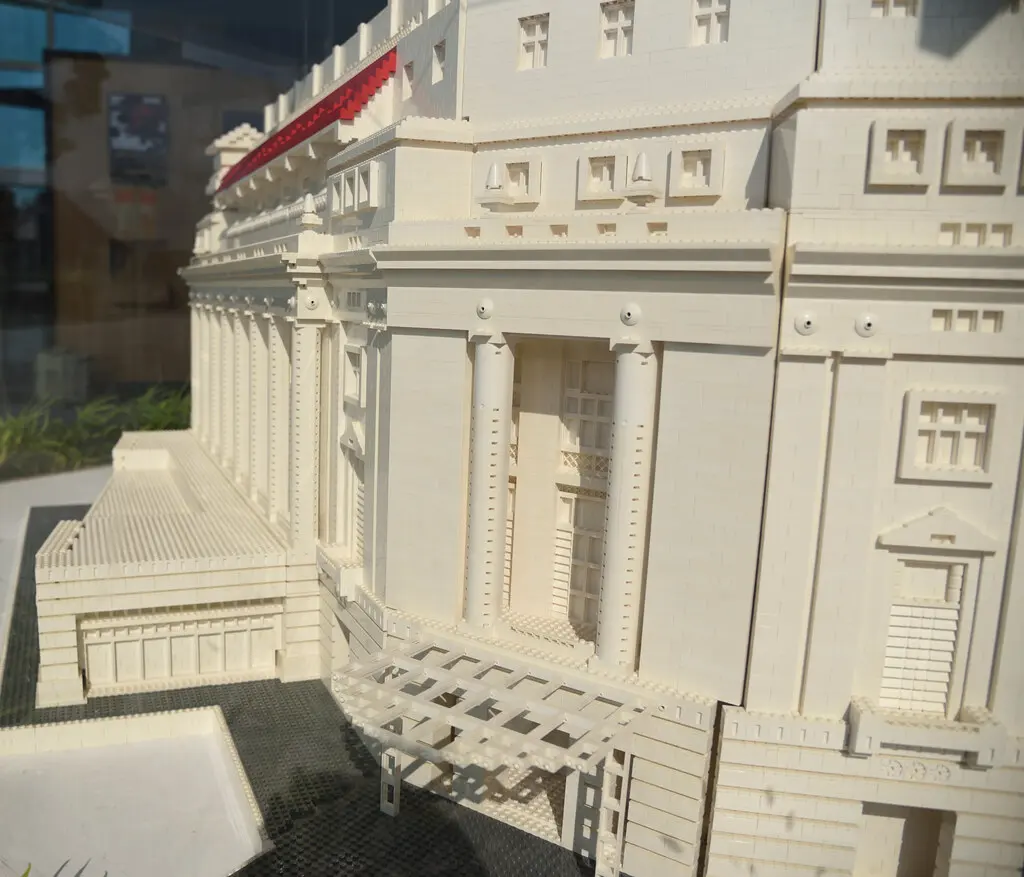
SINGAPORE
BANGKOK – The traditional lines delineating business travel from leisure are not just blurring; they’re dissolving into an entirely new travel paradigm known as 'bleisure.' In the dynamic, fast-paced metropolises of Asia-Pacific, from the gleaming towers of Singapore and Hong Kong to the bustling streets of Bangkok and the vibrant culture of Sydney, this hybrid traveler is rapidly becoming the cornerstone of hotel occupancy strategies. Pacific Press has observed a profound shift in how hotels are recalibrating their offerings to capture this lucrative and evolving demographic.
Historically, business travelers would check in, attend meetings, and depart, often experiencing little beyond their conference rooms and the airport lounge. Leisure travelers, conversely, sought escape and exploration. The bleisure guest, however, wants both, seamlessly weaving professional obligations with personal enrichment. This trend is particularly pronounced in Asia-Pacific, a region that boasts some of the world's busiest business hubs alongside unparalleled tourist attractions. The convenience of adding a few days to a work trip to explore a new city, reconnect with family, or simply unwind has become an irresistible proposition for many.
Hoteliers across the region are responding with innovative approaches. Take, for instance, the Fullerton Bay Hotel in Singapore, which, beyond its opulent boardrooms, now curates bespoke 'cultural immersion' packages that can be easily tacked onto a corporate stay. These include private heritage tours or gastronomic journeys through the city's hawker centers, ensuring that business guests can transition effortlessly from a high-stakes negotiation to a genuine local experience. Similarly, in Sydney, properties like The Langham are promoting their serene day spas and wellness programs not just to holidaymakers, but specifically to corporate guests needing to decompress after a demanding week. The emphasis is on convenience, customization, and seamless integration.
The Design Evolution: Work, Play, and Everything In Between
The physical spaces within hotels are also undergoing a significant transformation. Traditional hotel rooms, once rigidly divided into a sleeping area and a small desk, are being redesigned to offer more flexible, multi-functional zones. Marriott's Moxy brand, popular in cities like Osaka and Seoul, exemplifies this with compact, intelligently designed rooms that feature adaptable furniture – desks that double as dining tables, and comfortable seating that can be easily reconfigured for work or relaxation. Communal areas, too, are evolving. The staid business center is giving way to vibrant co-working spaces and 'social lobbies' where guests can plug in, collaborate, or simply enjoy a craft cocktail while catching up on emails. Accor's Tribe hotels, with their emphasis on open-plan communal zones and high-speed connectivity, are perfectly positioned to capitalize on this demand.
"The bleisure traveler isn't just looking for a room; they're seeking an integrated lifestyle experience that respects their professional commitments while fueling their personal passions."
Beyond physical spaces, technology is playing a crucial role. Seamless Wi-Fi is no longer a luxury but a fundamental expectation. Hotels are investing in robust, enterprise-grade networks to support video conferencing and multiple devices, acknowledging that a bleisure guest might be juggling a virtual meeting while simultaneously researching local attractions on another device. Mobile check-in/check-out, digital concierge services, and in-app bookings for hotel amenities and local tours are becoming standard, empowering guests to manage their stays with unparalleled autonomy and efficiency.
Local Flavors, Global Standards
The demand for authentic local experiences, even during business trips, is another significant driver. Hotels are moving beyond generic tourist recommendations, partnering with local artists, chefs, and guides to offer unique experiences. In Bangkok, for example, many high-end hotels now offer curated street food tours or traditional Thai cooking classes that are perfect for a bleisure add-on. This not only enriches the guest's stay but also provides a distinct competitive edge in a crowded market. The Park Hyatt Saigon, for instance, offers exclusive access to Vietnamese art galleries and historical sites, tailored to suit a busy executive's schedule.
The rise of bleisure isn't just a fleeting trend; it's a fundamental shift in how business and leisure intertwine, particularly in the dynamic landscape of Asia-Pacific. Hotels that recognize this evolution and proactively adapt their services, facilities, and technological infrastructure are not merely surviving; they are thriving, cementing their position as indispensable partners in the modern traveler’s journey.
Newsletter
Pacific Daily
A curated briefing from Thailand, Asia-Pacific and the world.