Beyond the Brew: What a Tea Gallery Changes for Changi Airport
Singapore’s Changi Airport has added a 24-hour luxury tea gallery and museum. This move expands the airport's role beyond transit to a destination in itself, altering how residents and visitors experience the space.
SINGAPORE
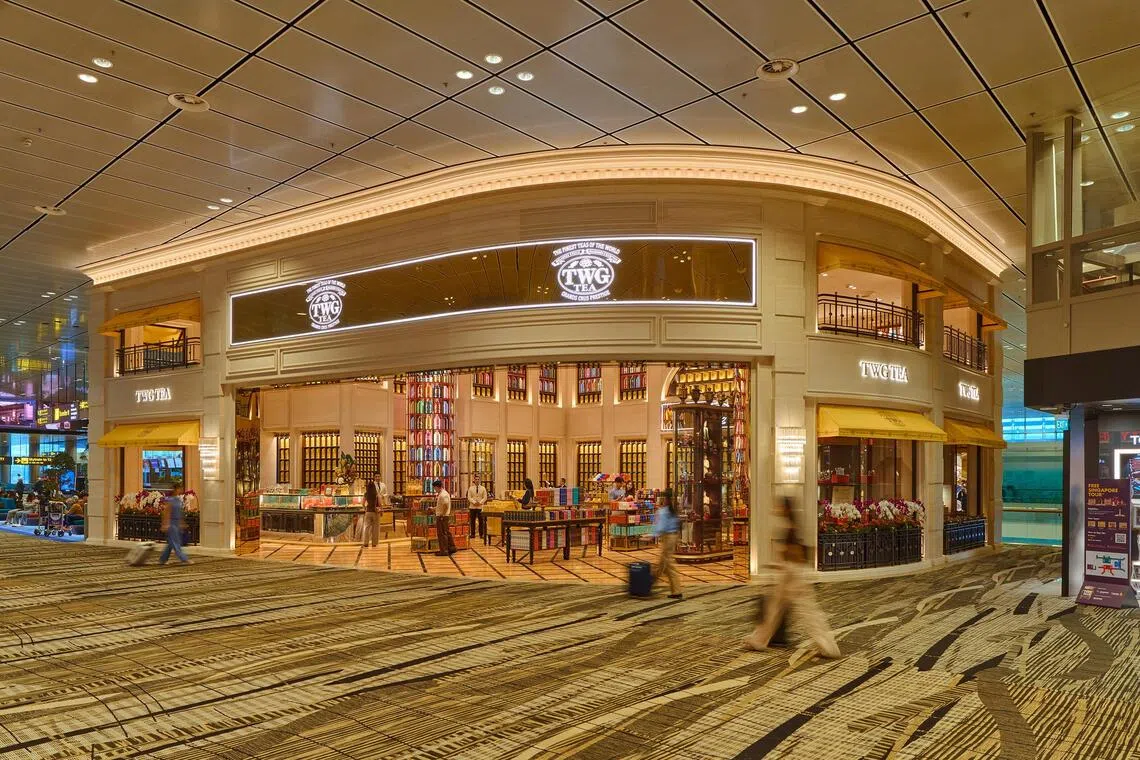
Singapore’s Changi Airport Terminal 3 recently saw the opening of the TWG Tea Gallery, a 2,700 sq ft space that combines a tea museum with a retail outlet. This establishment, described as the luxury tea brand’s largest flagship globally and its first tea museum, offers a 24-hour immersive experience. It features a 23-foot-high hand-painted tea world map, over 1,200 tea tins, and 170 antique tea wares, including Russian samovars. The gallery also sells exclusive teas, tea-infused ice cream, and macarons.
Opening such a dedicated space for a single brand, available around the clock, shifts the function of an airport. It moves beyond a purely logistical hub to become a more deliberate cultural and retail destination. For residents, this provides a new option for leisure or a specific product that previously required travel into the city. For those in transit, it offers an extended experience beyond duty-free shopping, potentially encouraging longer layovers or repeat visits purely for the offering.
While the concept of an airport as a destination is not new, this particular scale and focus on a niche luxury product represents an evolution. The Louvre Abu Dhabi, for instance, drew one million visitors in its debut year in 2018, demonstrating the pull of cultural institutions. Similarly, the Museum of Ice Cream opened in Singapore in 2021, showcasing how curated experiences can attract public interest. These examples suggest that unique, experiential attractions can draw significant crowds. An airport environment, however, presents specific challenges: security checks, flight schedules, and the general stress of travel can limit the time and inclination for a lengthy cultural immersion.
This emphasis on luxury tea and antique displays caters to a specific demographic. Whether this niche appeal can generate the same broad engagement as a general art museum or a highly instagrammable pop-up remains uncertain. The long operating hours certainly aim to capture a wide range of travellers and local visitors, but the high price point typically associated with luxury tea products might deter casual exploration. For Singapore, this investment into Changi Airport’s offerings reinforces its strategy to position the airport as a world-leading transit and leisure hub, attracting both high-net-worth individuals and tourists seeking unique experiences.
The success of the TWG Tea Gallery will depend on its ability to transcend its immediate function as a retail space and truly become a cultural anchor within the airport. The move from a simple shop to a museum-like gallery suggests a desire for this deeper engagement. Its impact will be measured not just in sales, but in its contribution to Changi's overall allure as a place worth visiting, even without a flight to catch. This development may prompt other airports in the Asia-Pacific region to consider how they can integrate more focused, high-value cultural experiences into their commercial offerings.
The relevance of this 24-hour tea museum will be shaped by how residents and travelers incorporate it into their routines.
Sources
Newsletter
Pacific Daily
A curated briefing from Thailand, Asia-Pacific and the world.