Starbucks' Merchandise: A Commodity Chain Built on Familiarity, Not Culinary Craft
The rapid depletion of Peanuts-themed merchandise in Singapore reveals a profitable diversion from core offerings, with implications for brand strategy across Asia-Pacific.
SINGAPORE
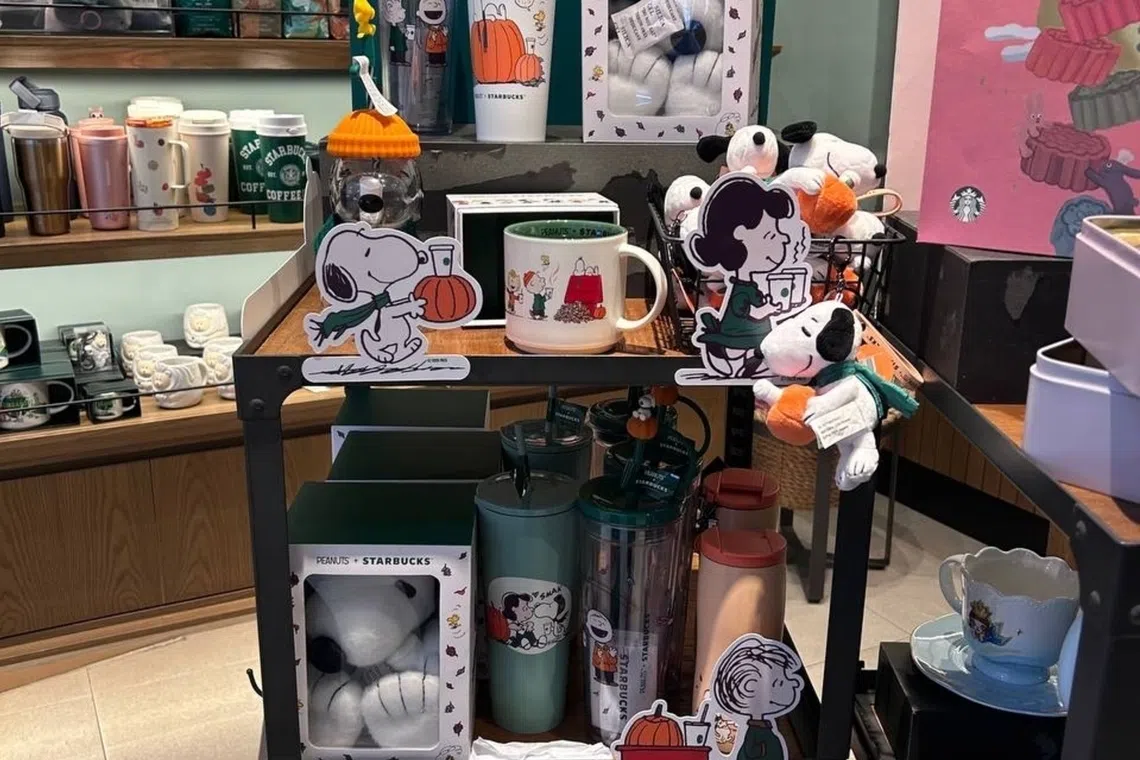
The reported rapid sale of Starbucks' Peanuts-themed merchandise in Singapore on September 15, 2026, including mini totes and mugs, within days of its launch, presents an economic observation distinct from the brand's primary beverage sales. This is not a judgment on a coffee blend or a pastry, but an assessment of a commercial maneuver: the leveraging of intellectual property to generate demand.
The swift depletion of this limited-edition collection, attributed to Peanuts' 75th anniversary, indicates a clear market appetite for nostalgia and collectible items. The queues and subsequent reselling at elevated prices point to a secondary market, underscoring the perceived value of these non-consumable goods. This operation is less about the intrinsic quality of the merchandise and more about the strategic fusion of a globally recognized character franchise with an established retail presence.
From a restaurant critic's perspective, this phenomenon raises questions about the cost structure and profit margins of such ventures. The creation of a branded mug or tote, while requiring design and manufacturing, does not carry the same variable costs of raw ingredients, perishable stock, or the skilled labor of a barista. The margin on a character-emblazoned item, likely produced in volume, could be significant, particularly when demand is artificially amplified by limited supply and a commemorative anniversary. This is a model focused on leveraging existing brand equity rather than culinary innovation or ingredient provenance.
For businesses across Asia-Pacific, including those in Thailand, this serves as an illustration of how global brands diversify revenue streams by tapping into cultural zeitgeist rather than enhancing their foundational product. It is a commercial strategy that, while effective in generating immediate sales and brand visibility, is disconnected from the sensory experience typically associated with a cafe. The underlying tension remains: a global coffee chain finds considerable success not by refining its roast or sourcing exceptional beans, but by selling plastic and ceramic bearing cartoon figures. The profit is clear, but the culinary connection is absent.
Sources
Newsletter
Pacific Daily
A curated briefing from Thailand, Asia-Pacific and the world.