The enduring friction of art and nation-states
The Gwangju Biennale offers a glimpse into Asia-Pacific's evolving cultural diplomacy.
SINGAPORE
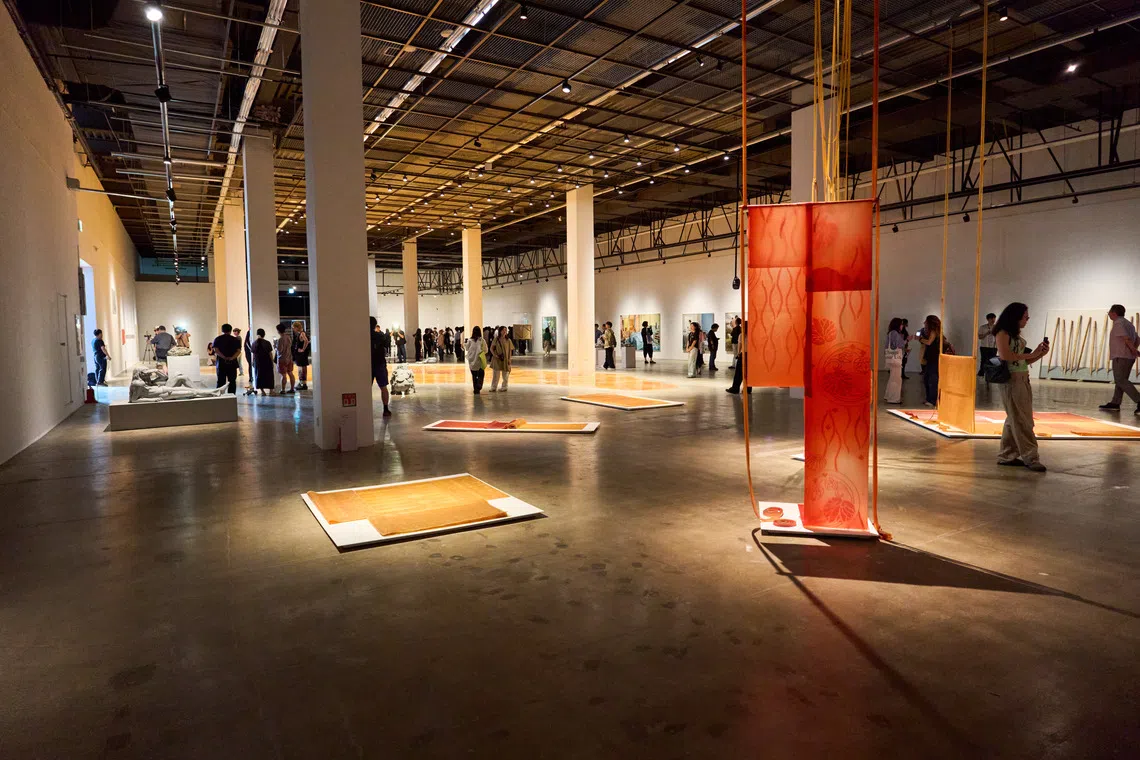
The staging of an international art exhibition, often presented as a realm apart from geopolitical tensions, frequently becomes their mirror. This pattern was evident at the 16th Gwangju Biennale, where the withdrawal of China due to a dispute over Taiwan’s pavilion marked a precise observation of how cultural events intersect with national policies.
The historical context of Gwangju itself is essential here. Shaped by its past of democratic protests, the city's biennale has consistently sought to promote dialogue and artistic freedom. The event, as reported on September 16, 2026, aimed to explore "relational themes," encouraging art to bridge cultural connections and global issues, deliberately sidestepping nationalism. Yet, the Chinese withdrawal demonstrates an ongoing tension: the aspiration for art to transcend borders often clashes with the rigid boundaries of nation-state recognition. For some, the assertion of national identity remains paramount, even within a space designed for artistic exchange.
The contradiction lies in the stated objective of cultural exchange versus the reality of political control. The Biennale leadership, by proceeding with the Taiwan pavilion, made a choice that prioritized artistic inclusion and the host city's ethos of dialogue. This decision, however, came with the predictable consequence of a powerful state asserting its political stance. The incident reveals a persistent question for the Asia-Pacific region: can cultural platforms truly operate independently of political dictates, or are they inevitably co-opted as soft power tools or battlegrounds for diplomatic disputes?
The belief that art can inherently bridge divides, while appealing, often underestimates the instrumentalization of culture by state actors. The Gwangju Biennale's situation illustrates that while many national pavilions embraced themes of cultural connection, the wider geopolitical environment dictates the limits of such artistic autonomy. For nations like Thailand, navigating the complex web of regional diplomacy and cultural soft power, this episode underscores the careful balancing act required. Supporting artistic freedom and fostering regional connections must contend with the ever-present pressures of state-level recognition and political sovereignty, making any claim of pure cultural exchange an ongoing, unresolved tension rather than a settled fact.
Sources
Newsletter
Pacific Daily
A curated briefing from Thailand, Asia-Pacific and the world.