A Sphere of Rest in a Sleep-Starved Asia
Hokkaido's Poke Ball hotel underscores a region's changing habits.
SINGAPORE
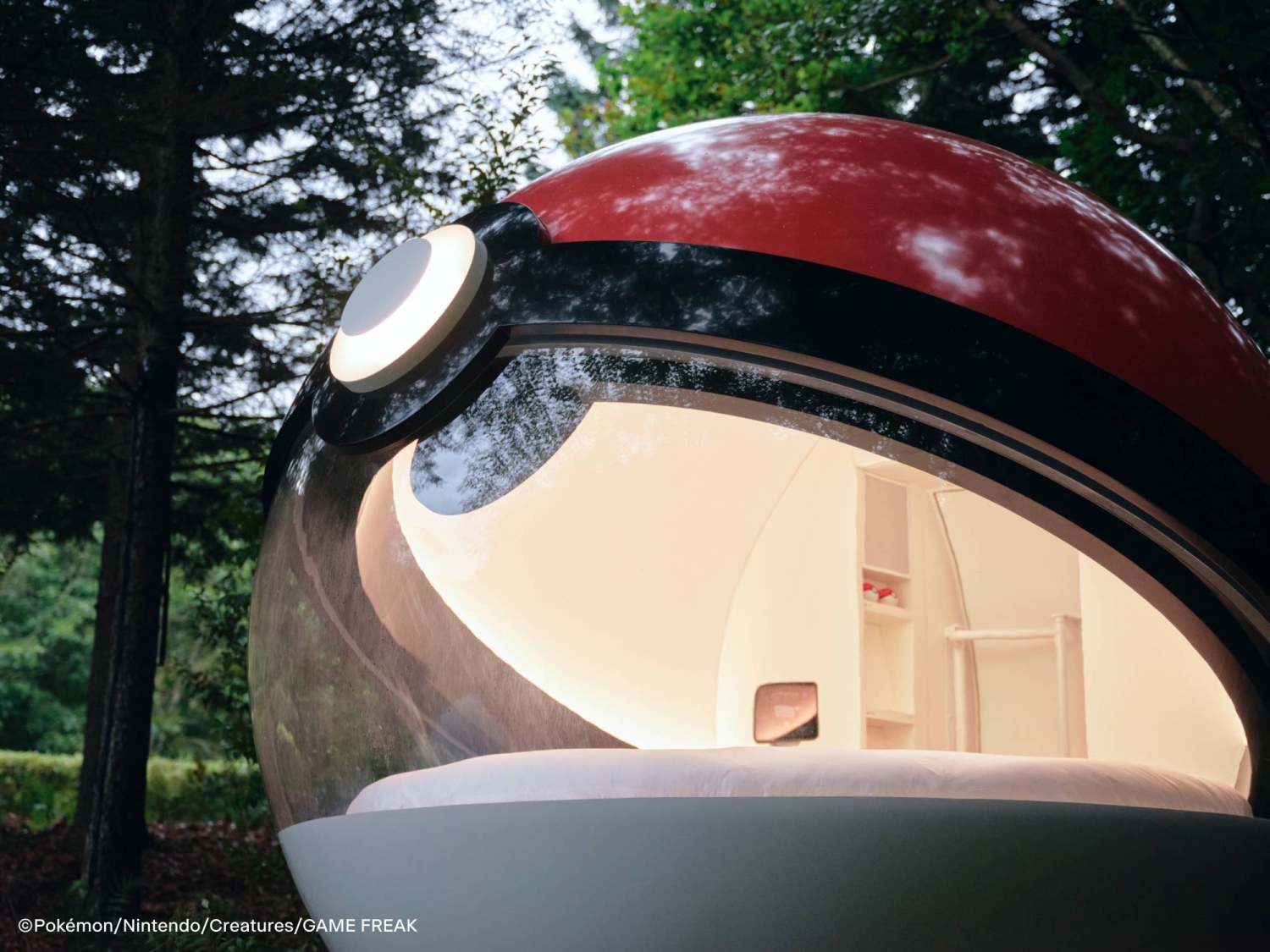
A three-meter-diameter Poke Ball, offering temporary stays in Hokkaido, Japan, represents more than a themed novelty. It speaks to a cultural shift within a region increasingly characterized by a profound deficit of rest.
For selected guests, the opportunity to sleep within this spherical structure in October presents a tangible, if whimsical, invitation to pause. This phenomenon is particularly notable given the pervasive sleep deprivation across the Asia-Pacific. Data from 2016 classified Koreans as the most sleep-deprived in the region, a condition that has shown little sign of abating, with 7 in 10 Koreans reporting restless sleep by 2025. Similarly, in 2016, Hongkongers were observed to rank last in a healthy living survey for Asia, marked by sleep deprivation alongside intensive internet usage. This trend extends to China, where by 2025, efforts were underway to reduce student stress, in part by encouraging more sleep and less screen time.
The hotel, a temporary structure advertised for free stays, offers an intriguing counterpoint to this reality. Its existence implies a recognized need for sleep, framing it not as a biological necessity but as a sought-after experience, almost a luxury. The structure itself is an object of desire from popular culture, recalling the allure of titles such as 'Pokémon GO' and the widespread engagement with the franchise reported as recently as 2017. This fusion suggests that the act of sleeping, when packaged as an immersive, themed event, can transcend its routine function and become a destination in itself.
The commercial proposition of a themed sleep environment—even one currently offered without charge—challenges conventional understandings of hospitality. It is not about a five-star amenities list or a scenic view, but about the specific, almost ritualistic act of sleeping within a known, beloved motif. While it could be argued that this is merely a marketing stunt leveraging a popular franchise, the chosen offering—sleep—addresses a palpable regional strain. The decision to make the stays free also shifts the focus from transactional value to experiential value, at least for this particular offering. However, it remains a commercial venture by nature, designed to generate interest and, by extension, future revenue streams, potentially for similar themed accommodations or associated branding.
This trend, observed from Hokkaido, could manifest differently across the Asia-Pacific. In Thailand, where the embrace of novelty and themed experiences is well-established, such an offering might find fertile ground. The cultural receptiveness to unique, branded spaces suggests that a similar concept, perhaps rooted in local folklore or contemporary media, could resonate. The focus on providing a distinct, comfortable sleeping environment could address an unspoken demand for respite, much like the broader regional patterns suggest a collective weariness. The Poke Ball hotel, in its brief appearance, may well be a signal: a compact, pop-cultural enclosure responding to a widespread, yet often unacknowledged, search for undisturbed rest.
Sources
Newsletter
Pacific Daily
A curated briefing from Thailand, Asia-Pacific and the world.