Asia's Cruise Lines Sail Into Shifting Currents Amidst U.S. Travel Spending Trends
While American travel commitments hold, economic disparities and fuel costs signal varied outcomes for Asia-Pacific tourism.
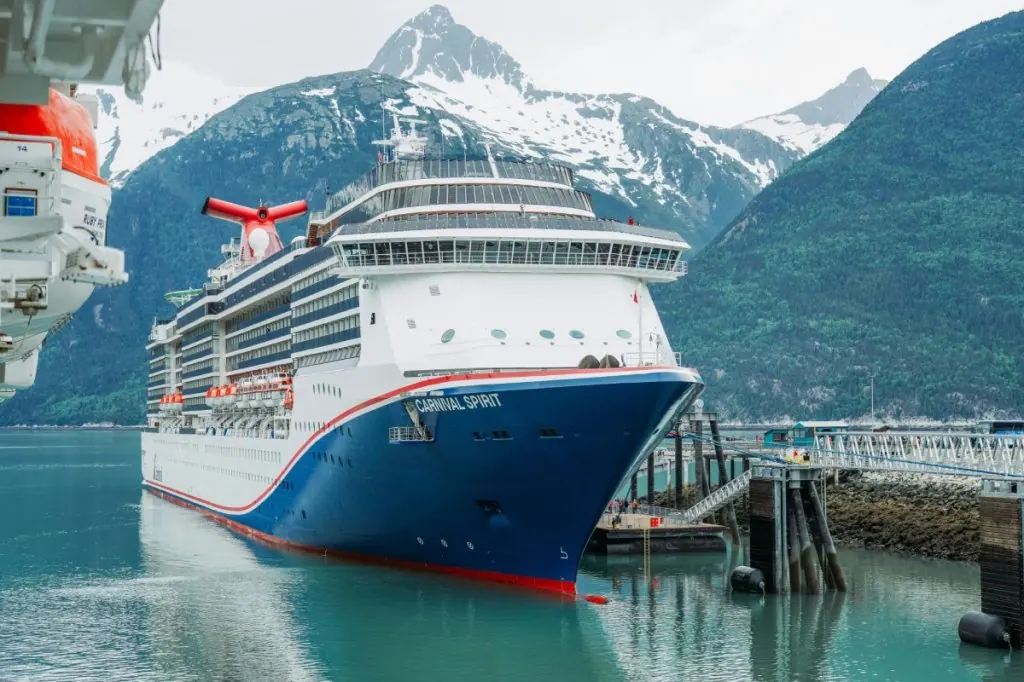
The reported resilience of American travel spending ahead of the U.S. Labor Day weekend, particularly in cruises, presents a nuanced picture for the Asia-Pacific region. Research from AAA indicates that despite rising airfare and gas prices, Americans are committed to travel, with cruises remaining a popular choice [1]. This commitment, however, exists within a K-shaped spending gap, where recovery is unevenly distributed.
For Asia-Pacific destinations banking on international tourism, this translates into a mix of potential opportunities and continued challenges. On one hand, global cruise volumes hitting a record [1] suggests a robust, if geographically specific, demand. Vietnam has previously seen cruise ships exploring popular destinations [2], indicating a market for such travel in the region. If a portion of this global cruise demand shifts or expands into Asia, it could provide a boost.
However, the economic backdrop in Asia itself introduces complexities. While markets in Australia and Japan have shown resilience [3], other major ASEAN economies face the prospect of new U.S. tariffs over labor concerns [4]. This points to broader economic strains that could influence inbound and outbound travel within the region. Moreover, Chinese travelers have recently faced widespread flight cancellations in Southeast Asia, impacted by a fuel crisis [5], directly affecting a critical source market for many regional economies.
The crucial question for Asian cruise operators and hospitality providers is the sustainability of the narrowing K-shaped spending gap and the underlying economic conditions of potential visitors. The flat Alaska cruise passenger counts [1], despite record global volumes, suggest that specific regional markets can behave differently. For the Asia-Pacific, high fuel costs and ongoing supply chain disruptions, coupled with potential economic slowdowns in key source markets like China, could dampen the positive effects of American travel enthusiasm.
Therefore, while American consumers may be committed to spending on travel, the operational costs and market access challenges within Asia-Pacific remain significant. Who pays for these increased costs, and at what occupancy rates can regional cruise lines and resorts remain profitable? The outlook for Asia-Pacific's tourism sector depends not only on external demand but also on its ability to navigate these internal economic and logistical constraints, which remain largely unresolved.
Sources
Newsletter
Pacific Daily
A curated briefing from Thailand, Asia-Pacific and the world.