Certares Puts Capital Behind State Mandates Over Consumer Taste
Private equity is committing billions to European high-speed tracks where regulatory flight bans create guaranteed seat demand.
Private equity capital rarely wagers on passenger enthusiasm before policy removes alternatives. When travel investment firm Certares deployed roughly $2.3 billion into European and United Kingdom rail operations, the calculation did not pivot on sudden consumer affection for tracks over tarmac. It leaned directly against the regulatory dismantling of domestic aviation corridors.
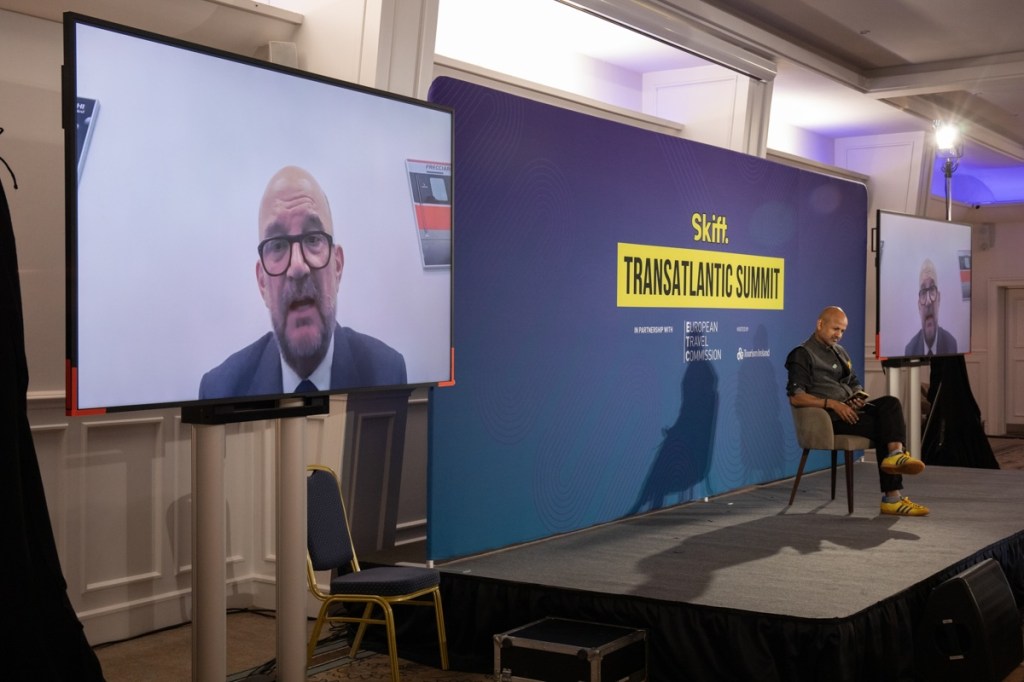
Speaking at the Skift Transatlantic Summit in Dublin on Thursday, October 15, 2026, Certares founder and senior managing director Greg O'Hara stated the premise with unusual candour. Rail has historically proved a demanding sell for Americans touring overseas. Regulatory intervention, however, alters balance sheets faster than marketing campaigns. A French statute already bars scheduled domestic flights when an equivalent direct rail journey consumes less than 2.5 hours. When statutory restrictions eliminate competing aircraft, high-speed trains inherit passenger volumes by legal default rather than commercial persuasion.
Underwriting the Regulatory Moat
Commercial transport operators normally bear the structural risk of modal substitution. Airlines discount short-haul segments, passengers measure convenience against baggage limits, and rail networks endure massive fixed asset depreciations during off-peak schedules. That commercial balance changes when governments forbid airlines from contesting the route.
"The plan is we own the challenger railway to SNCF in high-speed rail in France," — O'Hara
Challenging an established incumbent such as SNCF requires enormous initial balance sheet exposure. Private capital entering this arena seeks defensible load factors from day one. By deploying $2.3 billion across European networks, Certares positions its balance sheet behind state intervention that guarantees ticket demand. The firm anticipates further regional governments will replicate the French playbook, compelling travellers out of turboprops and twin-engine jets into passenger compartments.
For international long-haul travellers, particularly inbound Americans moving between gateway hubs and regional centres, the adjustment remains friction-heavy. Tour packages, cross-border luggage logistics, and corporate expense programs are historically calibrated for airport terminals rather than city-centre platforms. Even so, yield managers know that captive demand sustains pricing discipline. If sovereign climate policy removes air transport options, consumer resistance ceases to depress load factors.
Structural Costs and Network Capacity
Market reality nevertheless enforces physical boundaries that legislation cannot dissolve. High-speed rail infrastructure demands relentless capital expenditure, maintenance overhead, and meticulous scheduling windows. Unlike aviation assets, which carriers reallocate across continents during seasonal downturns, rolling stock remains tied to territorial steel rails.
Displacing state operators on premier routes requires winning track allocations, securing commuter slots, and delivering frequencies that corporate travellers accept. Even with domestic air bans supporting base traffic, private challenger lines encounter severe execution risk. Fixed infrastructure charges do not decline if tourism contractions soften cross-border travel.
What Certares reveals is a fundamental reallocation of hospitality and transit capital. Private equity firms no longer wait for consumer sentiment to shift organically toward sustainable transport modes. Instead, funds follow legislative mandates that suppress competitive aviation by law. The outcome now rests on whether European track authorities provide challenger operators sufficient operational runway to convert guaranteed passenger headcounts into sustainable margins.
Sources
Newsletter
Pacific Daily
A curated briefing from Thailand, Asia-Pacific and the world.