Memory Inflation Reaches the Operating System
Component costs force software adjustments for entry-level computing budgets
SINGAPORE
Hardware costs dictate how households and small enterprises replace office machinery. When basic component prices climb, families postpone buying new desktop units, while clerical offices delay workstation refreshes. The pressure eventually redirects backward to software architecture.
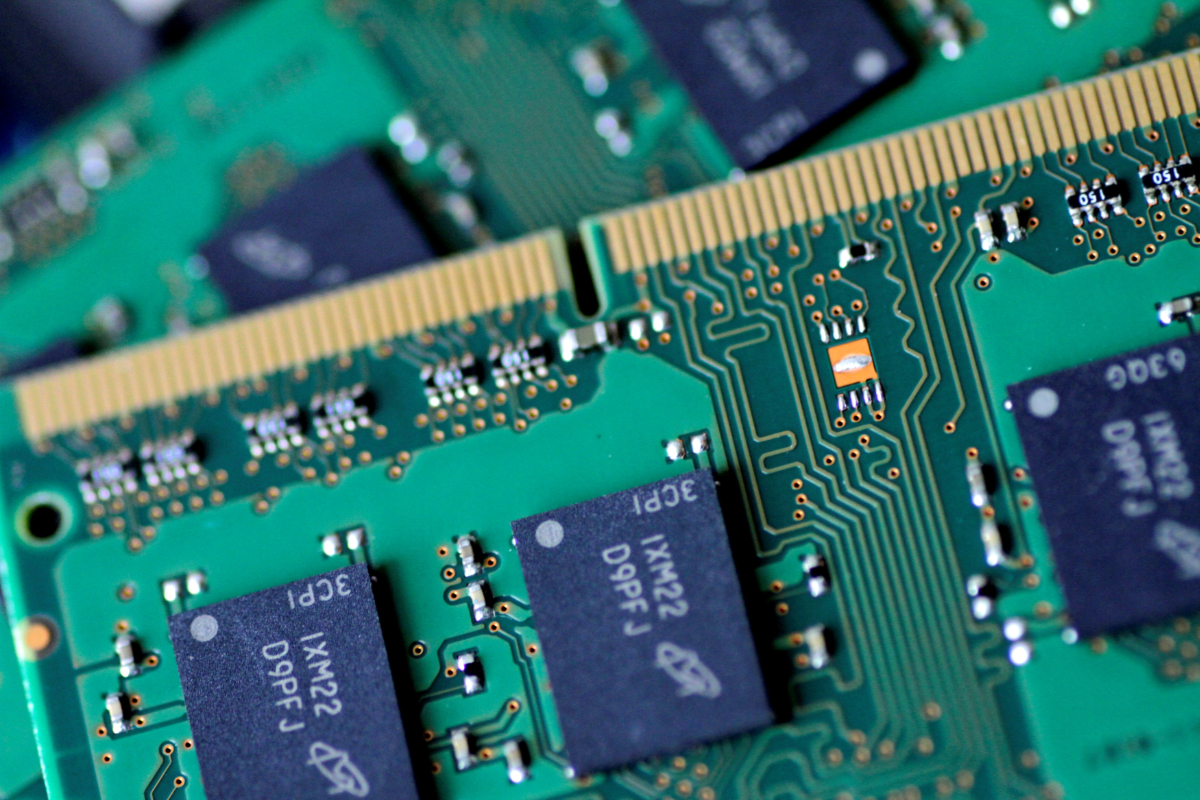
Microsoft acknowledged that escalating semiconductor memory costs across the technology industry now motivate an internal drive to reduce Windows 11 memory usage. The admission points to an economic reality that corporate planners usually minimize. When memory modules become more expensive, software vendors cannot simply demand that budget-conscious computer buyers absorb higher hardware configurations to run ordinary office tools.
Corporate strategy shifted earlier in the year. In May 2026, Pavan Davuluri, head of Windows at Microsoft, revealed that memory efficiency had turned into a critical target for his engineering team. The operational rule behind the technical adjustment remains functional: the operating system should not consume memory on features users have not activated, nor should it permanently reserve hardware capacity. Technical teams are currently refactoring primary operating components, including File Explorer, to ensure basic machines maintain stability under daily workloads.
Hardware Bottlenecks at the Counter
For small business owners and clerical operators, computer procurement represents an uncompromising cash outlay. A modest shop owner who needs two terminals to run inventory software must calculate whether an unexpected hardware upgrade compromises seasonal inventory orders. If operating system bloat requires purchasing machines with larger random-access memory pools, small buyers simply retain aging equipment or seek non-proprietary alternatives.
The operating system should not consume memory on features users have not activated, nor should it permanently reserve hardware capacity.
Software optimization provides tangible financial relief to these consumer tiers. Efficient base code lowers minimum component thresholds, permitting budget machines to function without immediate hardware additions. An office assistant handling spreadsheets does not need unrequested background services eating system headroom. When core interfaces like File Explorer consume fewer resources, existing personal computers remain usable across a longer operational life, postponing expensive device turnover across domestic offices.
The Engineering Trade-off
There is, however, an alternative viewpoint held by systems developers. Trimming system memory reservations across a legacy software ecosystem presents technical trade-offs. Decades of enterprise compatibility depend on predictable resource allocations. When background services yield memory dynamically, some complex third-party tools face subtle latency increases or unpredictable responsiveness during sudden compute spikes. Operating system architects face genuine difficulty ensuring that aggressive lean-memory profiles do not compromise the stability expected by corporate buyers with deep infrastructure investments.
Yet the economic trade-off tilts toward affordability across regional consumer markets. Software bloat has functioned for years as an implicit tax on consumer hardware budgets, quietly pushing buyers to purchase more memory capacity than everyday office tasks genuinely require. When supply chain pressures raise component prices, software makers can no longer rely on inexpensive silicon to mask code inefficiencies. Whether this optimization campaign permanently shifts software design depends on whether engineering teams treat code discipline as a durable design requirement or merely a temporary tactical retreat until component markets ease.
Sources
Newsletter
Pacific Daily
A curated briefing from Thailand, Asia-Pacific and the world.