A Dutch Landscape in Asia’s Future
The display of 88 Van Goghs in Otterlo offers a moment to reflect on Europe’s shifting presence in the Indo-Pacific, a region where its cultural influence now faces new geopolitical realities.
SINGAPORE
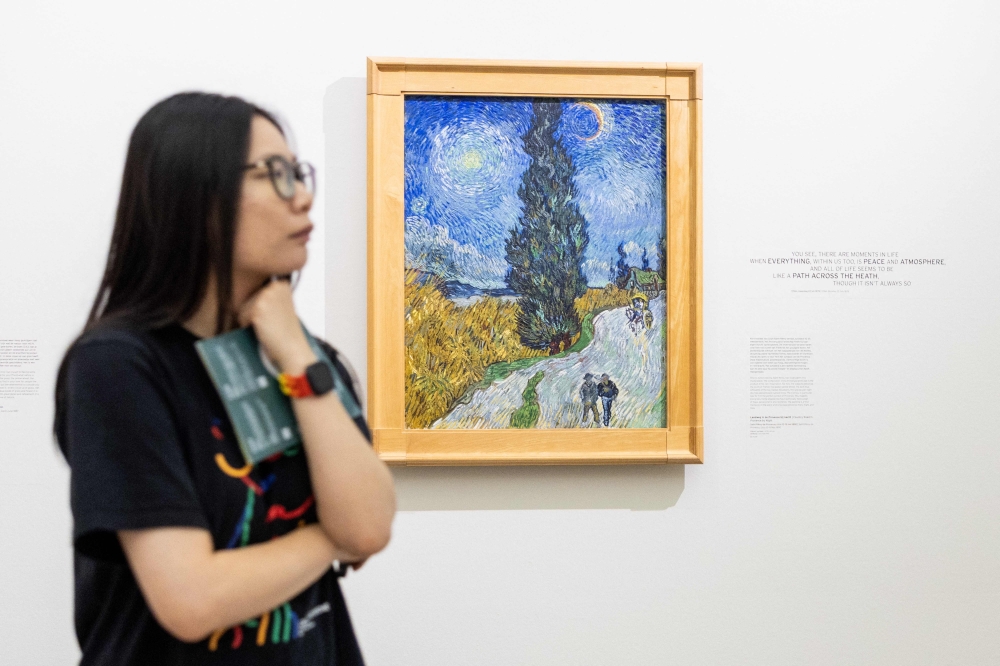
A Dutch museum, yesterday, brought together a significant collection of 88 paintings by Vincent van Gogh in Otterlo. This exhibition, featuring works from one of the Netherlands' most globally recognized artists, presents a specific cultural landscape for visitors. Such cultural events, while seemingly distant, offer a lens through which to examine broader currents connecting distant geographies.
The Netherlands, an established European power, has long engaged with the Asia-Pacific region, historically through trade and, in recent decades, through diplomacy and cultural exchange. The display of a substantial collection of its national artistic treasure in Europe might appear an isolated cultural happening. However, the context of this event, reported as a 'once-in-a-generation exhibition', unfolds against a backdrop of increasing European focus on and engagement with the Indo-Pacific, often articulated through strategic frameworks concerning trade, security, and influence.
This renewed European attention, particularly from nations like the Netherlands, suggests a strategic re-orientation. For instance, the Dutch defense chief, in June 2026, affirmed that a naval encounter involving Chinese forces would not deter Europe's presence in the Indo-Pacific. This commitment to maintaining a profile in the region indicates that the cultural exchanges, like a Van Gogh exhibition, are occurring even as geopolitical tensions grow. There is a clear tension between the historical soft power projection through art and the contemporary hard realities of international relations. While Europe showcases its cultural legacy, its economic and political interests in Asia are increasingly defined by challenges such as state-backed corporate disputes – as seen with a Chinese court freezing Nexperia assets in August 2026, following the Dutch government taking control of the company's subsidiary in October 2025. These demonstrate the complex and sometimes fraught nature of maintaining influence.
For Thailand and the wider Asia-Pacific, the significance of such European cultural assertions and geopolitical maneuvers lies in understanding the evolving landscape of global influence. These events signal that Europe intends to remain a player, culturally and strategically, even if the terms of engagement are shifting. The question is not whether European cultural presence, like the impact of Van Gogh’s work, will endure; it is how its enduring appeal will align with, or diverge from, its nations’ more immediate economic and security imperatives in a region where local powers are increasingly assertive. The Dutch state, itself, is noted to be in a struggle concerning the future of the Van Gogh Museum, reported in September 2025, which underscores that even cultural institutions face their own internal battles for stability amidst these broader shifts.
The exhibition of these 88 paintings might simply be a moment of cultural appreciation, but it arrives as the world's centers of gravity continue to realign. The act of gathering these works, perhaps a generation apart, marks an assertion of identity and influence at a time when Europe's engagement with the Asia-Pacific is subject to a sharper, more pragmatic calculus than aesthetics alone. What does this place, Europe, ask of the people who reside in or engage with the Asia-Pacific? It asks for an understanding that its cultural heritage, while profound, is now presented alongside, and perhaps in tension with, its strategic ambitions. The serene beauty of a Van Gogh landscape is now shown against a backdrop of complex and competing global interests.
Sources
Newsletter
Pacific Daily
A curated briefing from Thailand, Asia-Pacific and the world.