Beyond Typewriters: The Unfolding Realities of Expat Life in Asia-Pacific
A Universiti Malaya exhibition highlights analog technology, yet a deeper examination reveals the shifting practicalities that define life for expatriates in the region.
SINGAPORE
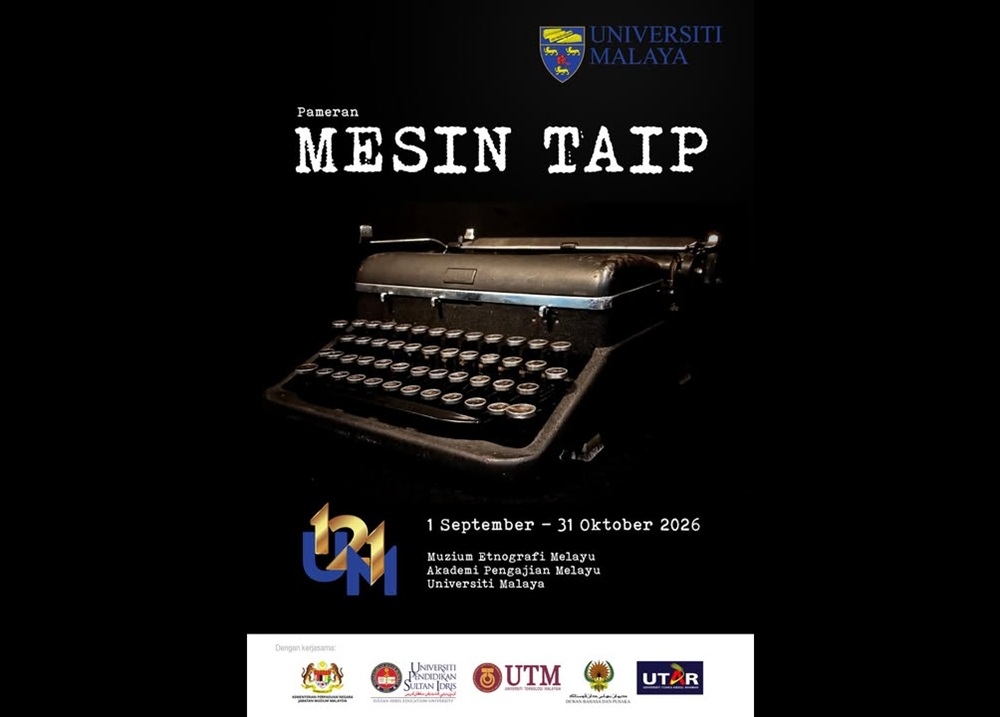
An exhibition showcasing over 50 historic typewriters at Universiti Malaya’s Academy of Malay Studies (APM), reported by Malay Mail Life on October 3, 2026, aims to preserve a past technology. This event, however, takes place amidst significant shifts for individuals navigating life in Malaysia and other Asia-Pacific nations. The practicalities of expatriate life are changing, moving beyond simple nostalgia for past tools.
Historically, expatriates often sought comfort in familiar cultural touchstones. A typewriter exhibition might, on the surface, seem to appeal to a longing for simpler times. Yet, the current environment presents different concerns. For example, the status of international education is evolving; the Lowy Institute reported on November 29, 2024, that traditional 'Anglo' education destinations are faltering, prompting Asia-Pacific countries to look for closer alternatives. This shift indicates a re-evaluation of long-term planning for expatriate families, where educational choices are paramount. The traditional path of sending children abroad may be less certain, pushing families to consider regional options more seriously.
Beyond education, human mobility and social integration present new challenges. The Japan Times reported on September 30, 2026, that Malaysia plans to return thousands to Myanmar, a decision that drew U.N. concerns. This policy, alongside the July 17, 2025, South China Morning Post report of a missing Myanmar student found dead in Malaysia, highlights the complexities and potential vulnerabilities faced by non-citizens. These events, while specific, underscore broader anxieties about legal status, safety, and community support that can affect expatriate populations. For those considering a move to Malaysia or residing there, such reports introduce an element of uncertainty about long-term stability and integration within the host country.
The region’s technological trajectory also influences daily life. While seemingly distant from an expatriate’s daily routine, advances in artificial intelligence and digital services reshape how people connect, work, and access information. This technological acceleration could streamline some aspects of expatriate life, such as communication with home or remote work. However, it also creates a dynamic environment where digital literacy and privacy concerns take on new weight. The Asia-Pacific Geodesy Capacity Development Workshop, held on April 2, 2026, as noted by the United Nations, also signals increasing regional collaboration on technical infrastructure, which will ultimately impact connectivity and digital services available to residents, including expatriates.
The appeal of a typewriter exhibition is that it offers a tangible link to a bygone era. However, the lived experience for many expatriates in Malaysia, and across the Asia-Pacific, is increasingly defined by shifting educational landscapes, evolving immigration policies, and rapid technological adoption. While the exhibition may offer a moment of reflection on the past, the present demands attention to these more immediate, practical changes that fundamentally alter what it means to build a life abroad in this region. The experience of an expatriate in Kuala Lumpur today is less about the analog past and more about navigating a digital, interconnected, and sometimes unpredictable, future.
Sources
Newsletter
Pacific Daily
A curated briefing from Thailand, Asia-Pacific and the world.