The Invisible Hand of Search: How Digital Gatekeepers Shape Our View
A casual observation about digital tools reveals a deeper pattern of control over information, with implications for regional autonomy.
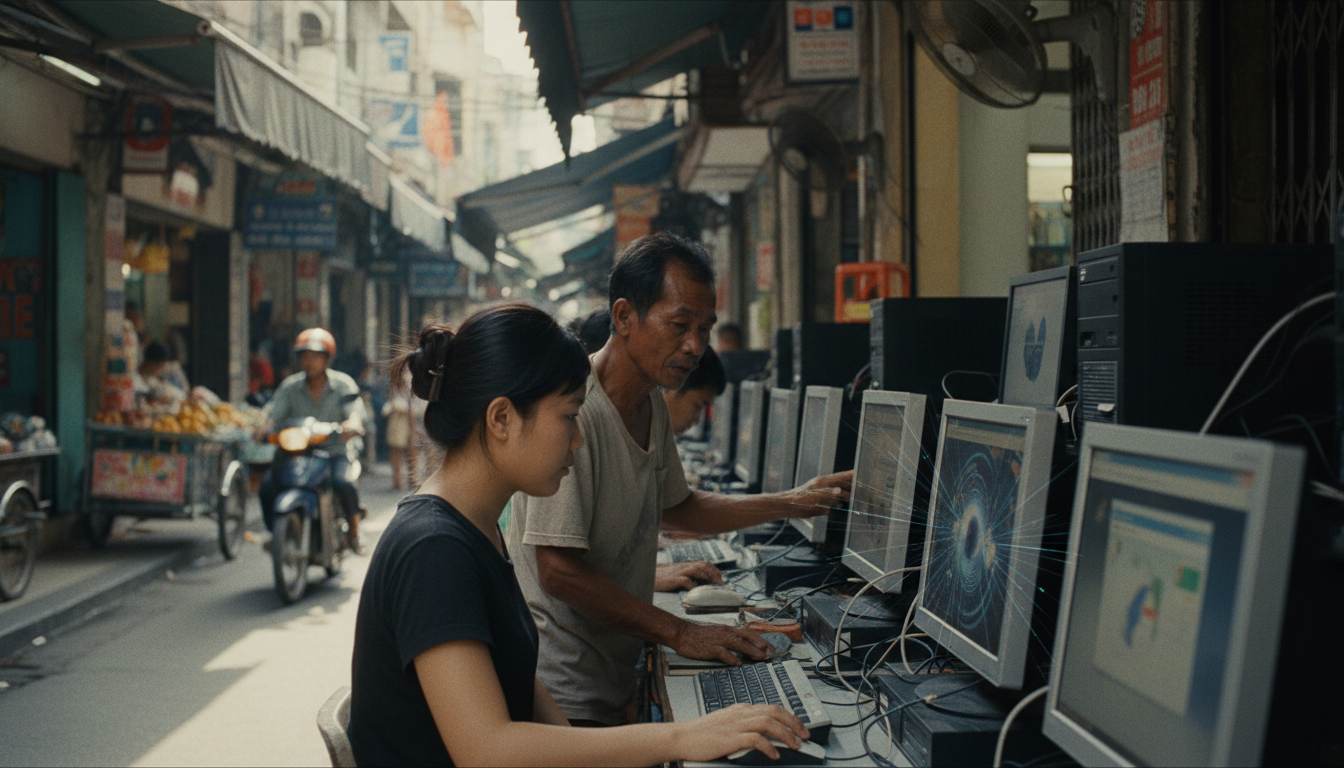
The discovery of an overlooked feature in a common digital tool, as noted by Cuenca High Life on September 18, 2026, highlights a recurring pattern: users often interact with only a fraction of a complex system's capabilities. This observation, framed initially as a personal anecdote about a search engine, points to a broader, less visible truth about how information is encountered. The source describes users assuming a singular functionality for a platform, accepting whatever results appear, whether news, shopping links, or videos.
This limited engagement is not merely a user's choice but a consequence of systemic design. The design of widely used digital platforms directs perception, often obscuring the full scope of their operations or alternative functionalities. When the Pentagon AI chief acknowledged expanded use of Google in April 2026, as reported by CNBC, he also stated that reliance on one model is 'never a good thing'. This sentiment echoes concerns about singular dependence on any powerful platform. The New York Times, in July 2026, described Google as 'Building an A.I. Fence Around the Internet It Once Championed,' suggesting an active effort to define and enclose the digital landscape.
For societies in the Asia-Pacific, where digital adoption rates are high and internet access is often mediated through dominant platforms, this tendency carries a specific cost. The ease with which information is presented by a primary search interface can mask the deliberate choices embedded in its algorithms and the potential for selective visibility. What is not immediately apparent, or what requires deeper engagement to uncover, often remains unaccessed. This creates a de facto filter, determining not just what information is seen, but what is considered relevant or even existent.
Forbes, in May 2026, published an article titled 'Never Google'—Save These Phone Numbers Before You Travel, a practical suggestion that implicitly recognizes the limitations or potential unreliability of relying solely on a search engine for critical information. This advice, though framed for travelers, reflects a wider understanding that powerful digital intermediaries may not always serve individual or collective interests comprehensively. The issue is not just about what is found, but what is actively obscured or rendered difficult to find.
This control over information flow means that the narratives and perspectives presented through these dominant digital gates can be disproportionately influential. For Thailand and its regional neighbors, relying heavily on a singular entry point for information risks homogenizing understanding and marginalizing diverse local contexts or viewpoints. The cost is borne day-to-day by individuals and institutions who may find their information landscape shaped by remote design decisions, rather than by a comprehensive, locally responsive engagement with the full breadth of available digital content. The consequence is not a lack of information, but a lack of agency in accessing it freely and broadly. The digital world is increasingly defined not by its openness, but by the parameters set by its most powerful custodians.
Sources
Newsletter
Pacific Daily
A curated briefing from Thailand, Asia-Pacific and the world.