A Tiny Bird, A Large Question For Asia-Pacific
New Zealand’s avian election offers a lens on regional conservation efforts and public engagement.
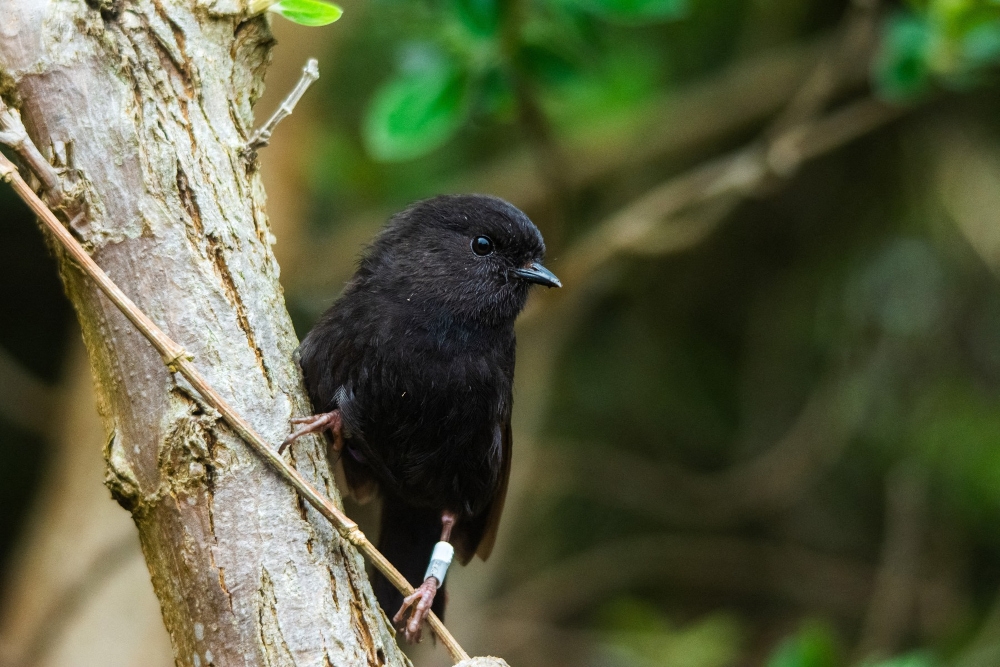
A small black robin, once numbering just a single breeding pair, has won New Zealand’s Bird of the Year. This outcome, reported by Malay Mail Life on September 21, 2026, followed a record turnout of New Zealanders at the polls. The event, covered also by The Guardian, South China Morning Post, and RNZ, highlights a specific, participatory approach to conservation.
This annual avian election in New Zealand is not merely a novelty; it is a mechanism that brings the challenges of species preservation into public discourse. The victory of the black robin, a species that faced near extinction, shifts the focus from the faster, more charismatic birds that previously won, such as the kārearea falcon in 2025. It suggests an awareness not just of nature, but of nature’s fragility and the stories of recovery. The contest itself functions as a broad public education campaign, ensuring that even specific threats, like the anticipation of deadly H5N1 bird flu strains, which prompted a vaccination rush for endangered birds in 2024, resonate beyond scientific circles.
The question this raises for the wider Asia-Pacific, including Thailand, concerns the nature of environmental engagement. New Zealand, an island nation with a distinct native fauna, fosters a particular relationship between its citizens and its wildlife. The communal act of voting for a bird, while seemingly minor, creates a shared ownership of conservation goals. It asks citizens to consider what part of their natural heritage they value most.
Contrast this with the diverse and often vast landscapes of mainland Southeast Asia. Conservation initiatives frequently rely on government directives, international funding, or the dedicated efforts of specific non-governmental organizations. Public engagement, where it exists, might often be framed around tourism or the economic benefits of protected areas. The direct, participatory model seen in New Zealand, where the public actively champions a species, is less common.
The communal act of voting for a bird creates a shared ownership of conservation goals.
This is not to dismiss the very real and significant conservation work happening across the region. However, the New Zealand model suggests a different pathway for fostering widespread awareness and emotional investment. For Thailand, with its own rich biodiversity and unique challenges, could such a public-facing, almost civic, approach to conservation generate a different kind of support? The black robin’s victory underlines that the story of a species’ survival can become a national narrative, encouraging a collective sense of responsibility. Whether similar platforms could bridge the gap between scientific imperative and everyday public consciousness in more diverse and populous nations remains a central question.
Sources
Newsletter
Pacific Daily
A curated briefing from Thailand, Asia-Pacific and the world.