The Ocean Race and Asia-Pacific: Limited Commercial Implications Despite French Assertions
While France seeks to project influence through maritime events, commercial data suggests minimal direct benefit for the Asia-Pacific sailing market.
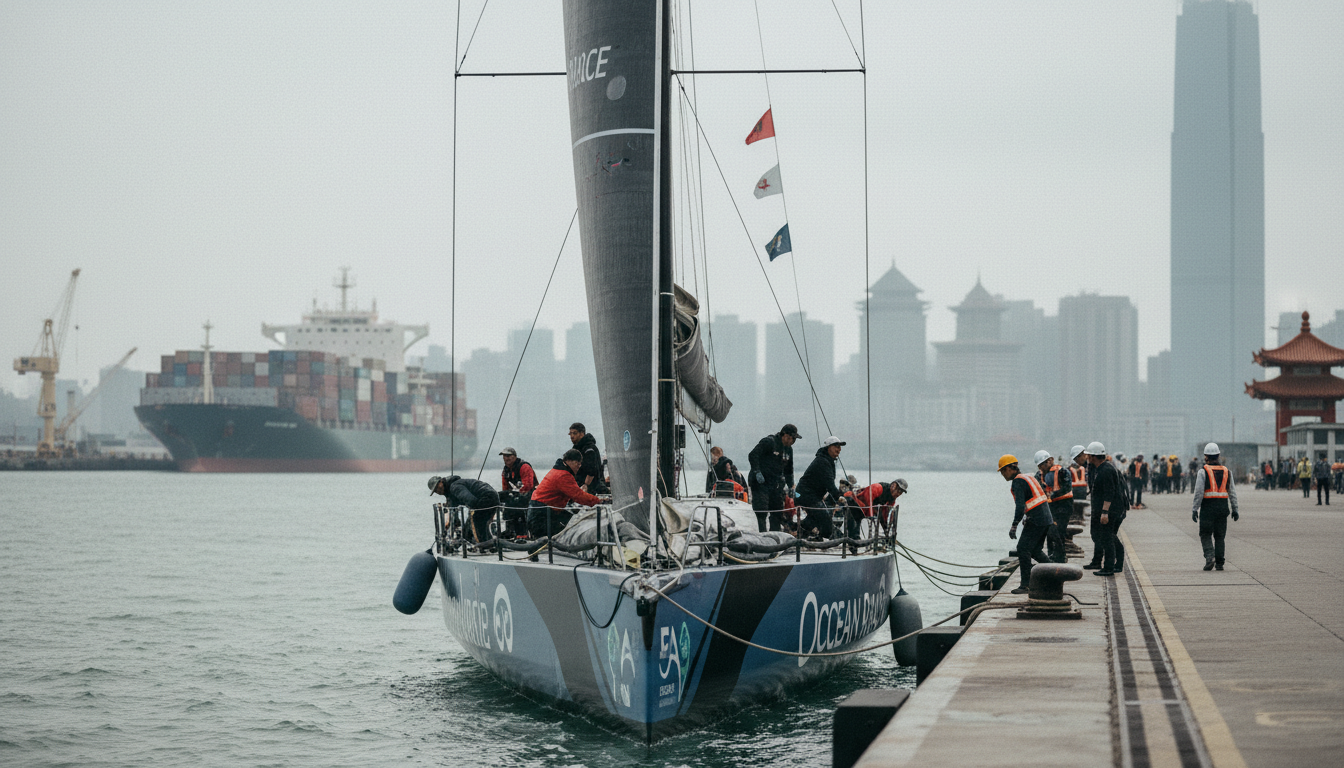
The Ocean Race recently completed a transatlantic leg from New York to Lorient, France, marking a new point-to-point format for its 53-year history. This event, reported by Sail World Asia on 2026-09-18, occurred in a period where France is actively asserting its presence in the Pacific region.
France's engagement in the Pacific is notable. Reports from The Diplomat in June and July 2026 discuss Nice as a "Mediterranean Gateway to the Indo-Pacific" and the new pro-France president in New Caledonia's Congress. A South China Morning Post report from 2026-09-04 further indicates France's commitment to its Pacific islands claims, even as Vanuatu seeks a World Court resolution.
However, The Ocean Race's new transatlantic format and its historical focus do not align directly with current sailing market trends or infrastructure in key Asia-Pacific nations like Thailand. The race's 2026 event connects the United States and France, regions with established sailing traditions. While this demonstrates maritime prowess, it does not inherently translate to increased commercial activity or participation within the Asia-Pacific.
The regional focus of the source material, 'yachting,' suggests a potential link, but the specific event described has a Western geographic locus. Past media coverage of the Asia-Pacific marine environment, such as the South China Morning Post's 2018 report on Hong Kong's coral, or Forbes' 2022 list of Atlantic islands, indicates diverse regional interests, none of which directly point to a significant market for major international sailing events like The Ocean Race.
Crucially, there is no evidence provided to indicate an increase in demand for sailing tourism or yachting events in Thailand or the broader Asia-Pacific region directly attributable to The Ocean Race's activities. The financial data, statistics, and primary documents that would support such a claim are absent. Without such figures, any assertion of direct commercial uplift in the Asia-Pacific due to this specific race remains speculative.
For the Asia-Pacific, particularly Thailand, the primary benefit from such events would likely stem from direct participation, hosting legs, or significant media exposure translating into marine tourism. The current event configuration offers none of these. While France continues to build its strategic position in the Indo-Pacific, The Ocean Race's transatlantic route, as described, is not a financial driver for the region. The immediate financial implications for Thailand and other Asia-Pacific economies from this event appear minimal.
Future Considerations
The trajectory of French influence in the Pacific, as noted by The Diplomat, could lead to future initiatives that involve sailing or marine activities closer to the Asia-Pacific. For instance, if France were to leverage its territories, such as New Caledonia, as a host for future legs of The Ocean Race or similar events, then commercial opportunities for regional suppliers, service providers, and marine tourism could emerge. This would, however, require a fundamental shift in the race's routing and a clear strategic intent from organizers to engage the Asia-Pacific market more directly.
Absent such a strategic shift and without concrete financial commitments or event planning indicating a deeper engagement with Asia-Pacific ports or teams, the commercial impact on the region from events like The Ocean Race Atlantic will remain an indirect and negligible factor. The current data points to a race focused on established Western routes, with France's broader Pacific ambitions largely separate from this specific sporting event's immediate economic reach in Asia.
Sources
Newsletter
Pacific Daily
A curated briefing from Thailand, Asia-Pacific and the world.