Berth Economics Drive Yachting Focus Beyond Europe
As Les Voiles de Saint-Tropez concludes with multiple winners, the event's global visibility points to persistent incentives for yachting expansion in new markets, notably Southeast Asia.
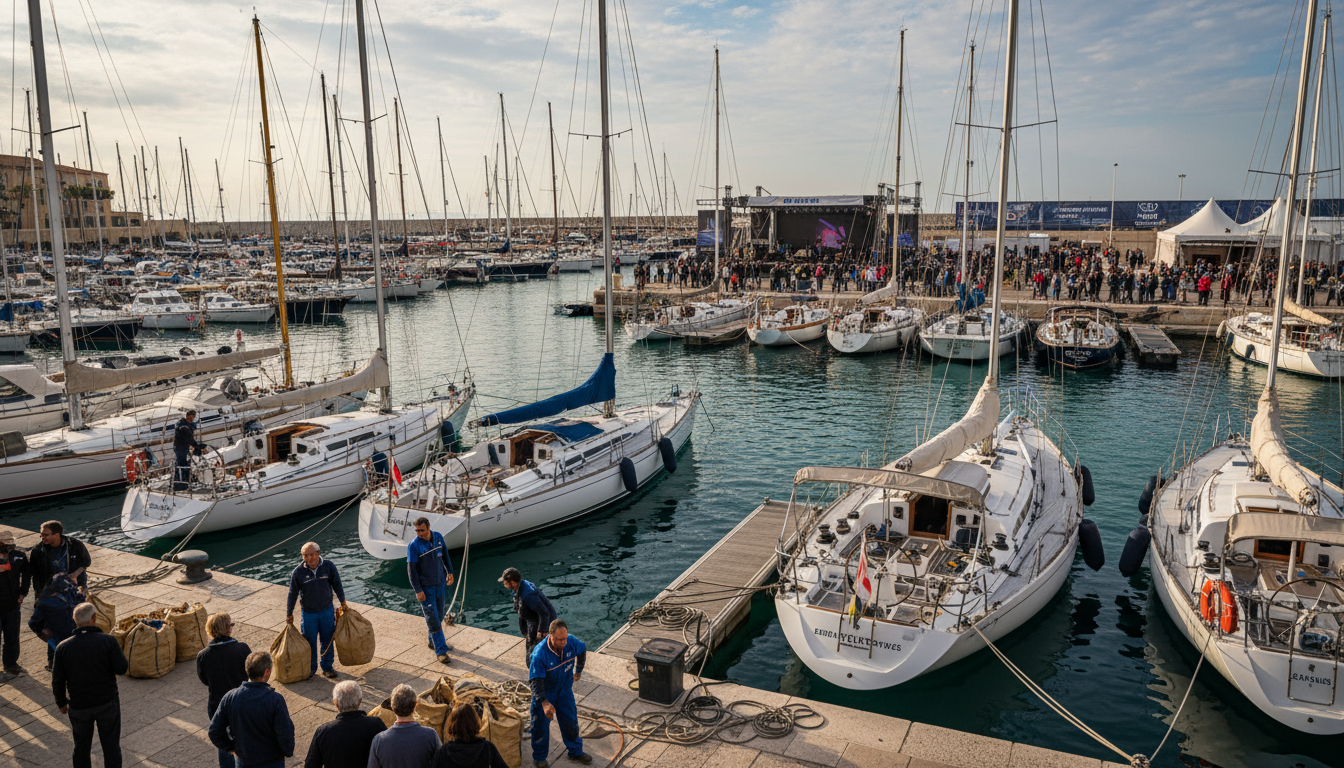
Fleets departed Saint-Tropez on Saturday morning under clear skies and a consistent breeze. The regatta concluded with active competition across its 20 categories, as reported by Sail World Asia. This event, like others in the global yachting calendar, typically centers on established European venues.
However, the sustained global attention on such high-profile events sends a signal to regions like the Asia-Pacific. While Saint-Tropez remains a traditional hub, the underlying economic dynamics that fuel competitive sailing and associated luxury leisure industries are becoming more global. Investment in maritime infrastructure, particularly marinas and service facilities, drives yachting growth.
For Thailand and other Southeast Asian nations, the continuous visibility of events like Les Voiles de Saint-Tropez indicates an ongoing market for luxury maritime activities. To host large-scale events, or simply to accommodate an expanded fleet of pleasure craft, requires available berthing capacity and maintenance services. The region’s tropical waters and archipelagic geography offer natural appeal. Economic infrastructure must match this appeal.
Developers and governments have a clear commercial incentive to expand yachting facilities. This links directly to the high-value tourism sector. Yacht owners and crew represent a segment of visitors with significant disposable income, generating revenue for local economies through provisioning, repairs, and associated luxury services. The challenge involves converting natural advantages into functional, high-capacity yachting destinations capable of drawing international traffic comparable to European fixtures.
Specific financial data or investment announcements were absent from the provided material. This limits a precise economic forecast for regional yachting. Nonetheless, sustained global media coverage of events like Les Voiles de Saint-Tropez, even from an Asia-focused publication, indicates the sector remains active and lucrative. This global activity applies pressure on developing yachting markets to expand their own offerings or risk missing opportunities.
What happens next for yachting in the Asia-Pacific depends on the economic viability of new marina developments. It also depends on the regulatory frameworks supporting them. The question for local markets is not whether interest exists, but whether berth economics can attract sufficient capital to build competitive infrastructure.
Sources
Newsletter
Pacific Daily
A curated briefing from Thailand, Asia-Pacific and the world.