Sardinia's Wingfoil World Cup: A Blueprint for Asia's Coastal Ambitions?
While elite water sports draw attention, the economics of event tourism for host destinations like Thailand demand scrutiny beyond the spectacle.
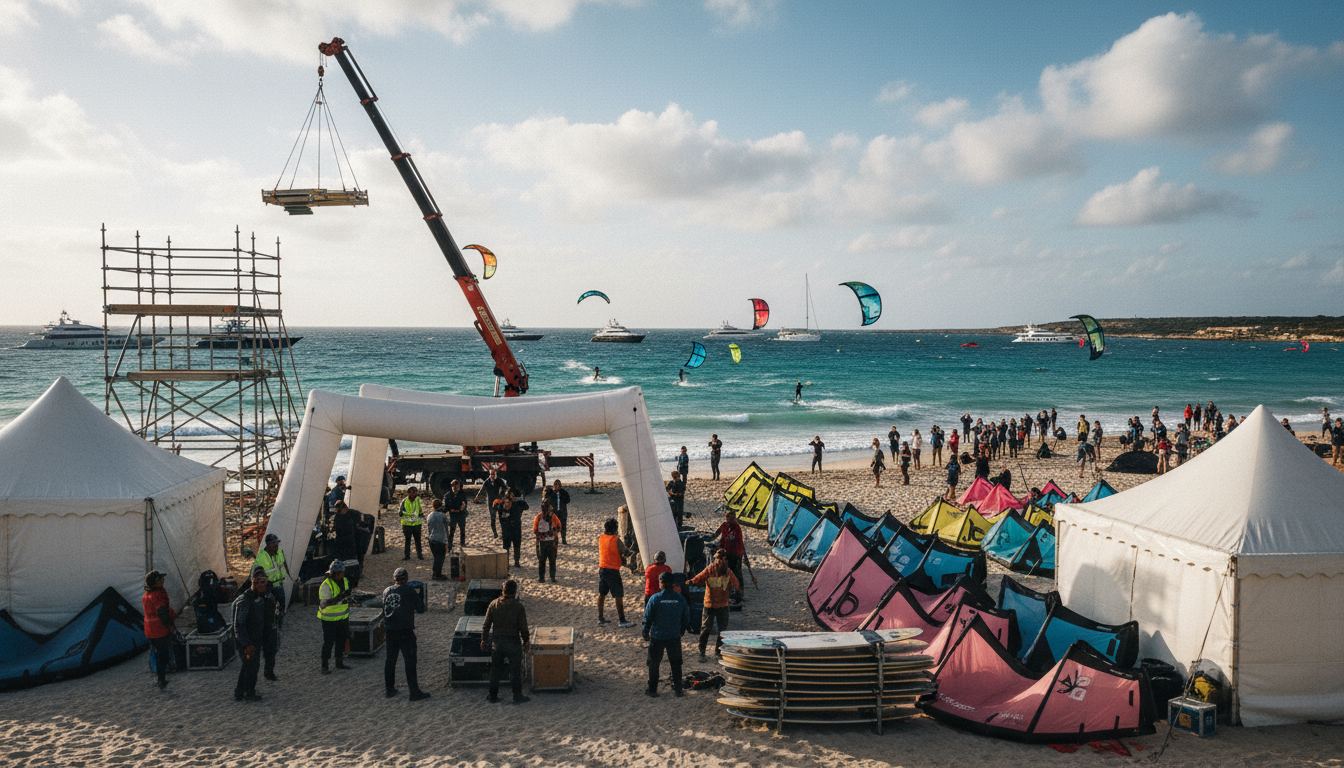
The latest leg of the Wingfoil Racing World Cup, held at Poetto Beach in Sardinia, saw Sean Herbert and Vaina Picot achieve strong starts. Such events project a dynamic image of a destination. For Asia-Pacific nations, particularly those like Thailand with extensive coastlines, the allure of hosting international sports events is undeniable.
However, the question for any potential host remains: at what occupancy does it work? The immediate financial benefit to local economies from a niche event like wingfoiling is often assumed rather than demonstrated. While spectators and participants generate some demand for accommodation, dining, and local services, the scale of this impact must be weighed against the significant infrastructure and logistical investments required. Sardinia, a long-standing European tourism destination, possesses established infrastructure, from transport links to hospitality venues. Developing such capabilities for a recurring event in emerging coastal areas of Southeast Asia could incur substantial upfront costs, with uncertain long-term returns.
Furthermore, the long-term ‘blue zone’ reputation of Sardinia, highlighted by its longevity research, and its broader image as a serene, culturally rich island – even with historical anecdotes of ancient curses or the tragic death of Budelli's hermit guardian – is distinct from the brand positioning of many Southeast Asian coastal destinations. The former implies a consistent, year-round appeal; the latter often relies on seasonal peaks and specific market segments. An elite sporting event, while prestigious, does not automatically translate into a sustained uplift in general tourism or a broadened demographic.
Indeed, some local voices might argue against prioritizing niche international events over investments in broader, more resilient tourism infrastructure that benefits a wider array of visitors and residents. The potential for disruption, such as missing persons cases like Michael Frison's mother expressed concern over, or even isolated drowning incidents involving visitors, always adds a layer of operational complexity and public relations risk to any major influx of activity. The focus on a specific, high-end sporting event may also divert resources from addressing more fundamental tourism challenges or fostering community-based initiatives.
For destinations in the Asia-Pacific looking to replicate Sardinia’s success in attracting such events, a clear cost-benefit analysis is essential. The signal of global recognition from hosting a World Cup is attractive, but the incentives for local stakeholders must extend beyond temporary prestige. The winners are clear if the event brings sustained high-value tourism. The outlook, however, depends on whether these events truly integrate into a broader, financially viable tourism strategy, rather than operating as standalone spectacles with limited economic spillover. The constraint remains the difficulty in measuring and ensuring a profitable occupancy rate long after the final race concludes.
Sources
Newsletter
Pacific Daily
A curated briefing from Thailand, Asia-Pacific and the world.