Collision Reveals Commercial Risk in Elite Sailing
An incident in Naples underscores the financial and reputational exposures for teams in high-stakes sailing circuits, with implications for Asia-Pacific sponsors.
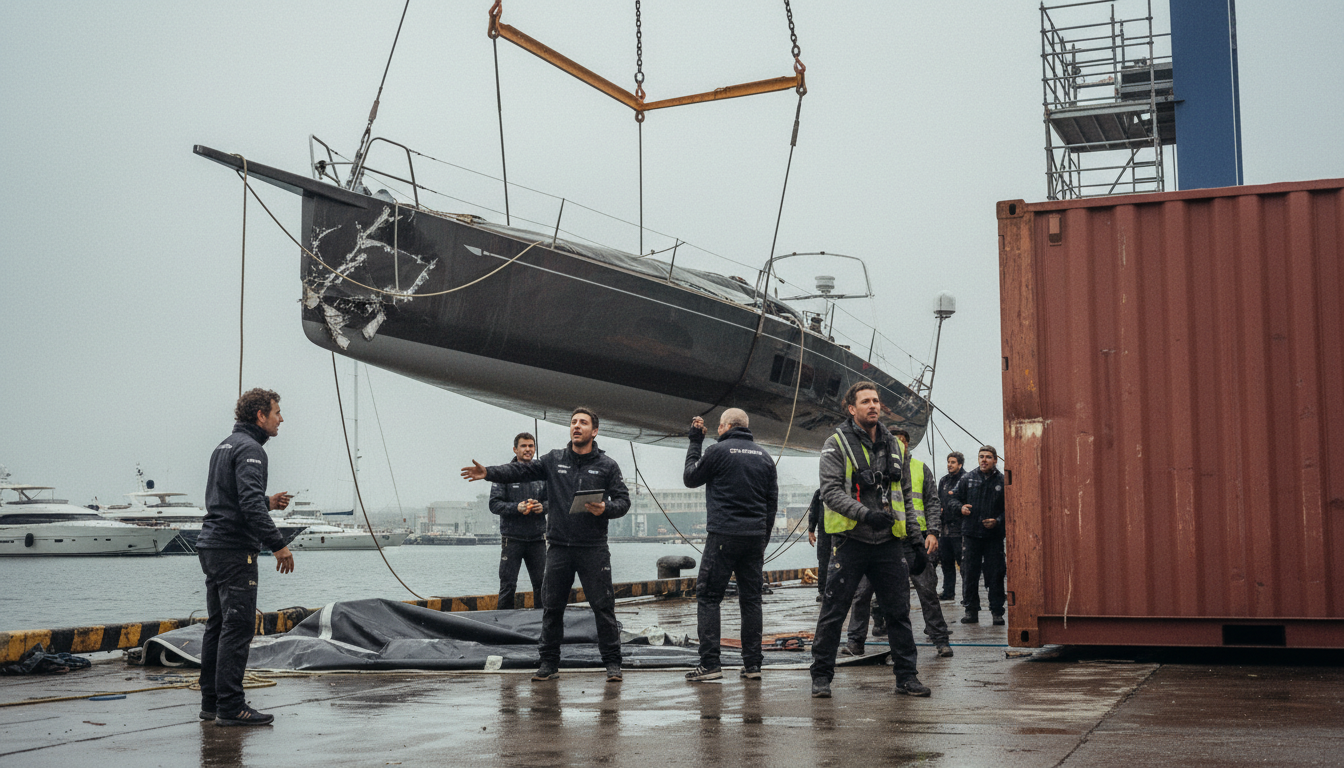
A recent collision involving the GB1 AC40 race boat and a Tudor Team Alinghi chase boat in the Bay of Naples, ahead of the Louis Vuitton 38th America’s Cup Preliminary Regatta, highlights the commercial vulnerabilities inherent in elite competitive sailing. The incident, which resulted in damage to the British vessel, occurred during training.
Such events carry direct financial costs. Damage to a highly specialized AC40 race boat requires repair or replacement. This diverts capital that could otherwise be allocated to operational expenses or strategic investments within the team. For sponsors, this represents an unbudgeted exposure, eroding the value proposition of their investment. The long-term financial impact extends beyond immediate repair costs to potential disruptions in training schedules and competitive performance, which can affect future sponsorship negotiations.
While the specific financial details of the damage are not publicly available, the involvement of two prominent teams in a premier global sailing event draws attention to the operational risks. The America’s Cup operates on significant capital outlay from its participants and partners. For Asia-Pacific entities seeking brand exposure through such platforms, this incident underscores the need for robust risk assessments of their sponsored assets. The region, which includes a burgeoning market for luxury goods and high-net-worth individuals, has seen increased participation and interest in elite sports. For example, the acquisition of the Spanish SailGP team by Israeli billionaire Idan Ofer’s Quantum Pacific Group in 2026 indicates the growing financial interest from global entities with a Pacific presence.
A counterargument could suggest that such incidents are rare and an acceptable part of the risk profile in high-performance sports, outweighed by the media visibility and brand association benefits. This perspective implies that the occasional damage or setback is simply a cost of doing business at the sport's highest echelons.
However, a single incident generating global headlines, even for a short period, can impact sponsor perception. While high-speed collisions are not uncommon across various sports—such as the 2026 Bedford train crash or the 2026 Colombia military plane crash—the specific context of a branded racing asset sustaining damage in a high-profile event necessitates careful consideration for investors. The reputational risk, though qualitative, can be substantial if incidents are perceived to reflect on team management or safety protocols. This remains an unquantified liability.
The commercial implications for teams and their backers necessitate comprehensive insurance and contingency planning. The ability to quickly assess damage, manage repairs, and maintain a competitive schedule without significant financial strain becomes critical. For current and prospective investors in the Asia-Pacific region, the incident serves as a reminder that the glamour of elite sports sponsorship is accompanied by tangible operational and financial risks that demand careful scrutiny. The ultimate financial outcome for the affected teams hinges on their ability to manage these unforeseen costs and maintain sponsor confidence.
Sources
Newsletter
Pacific Daily
A curated briefing from Thailand, Asia-Pacific and the world.