European Club Racing Signals Shifting Asian Yachting Investment
The upcoming J80 Winter Series in Valencia, Spain, highlights a persistent gap in high-performance yachting infrastructure within the Asia-Pacific region, despite growing wealth and maritime interest.
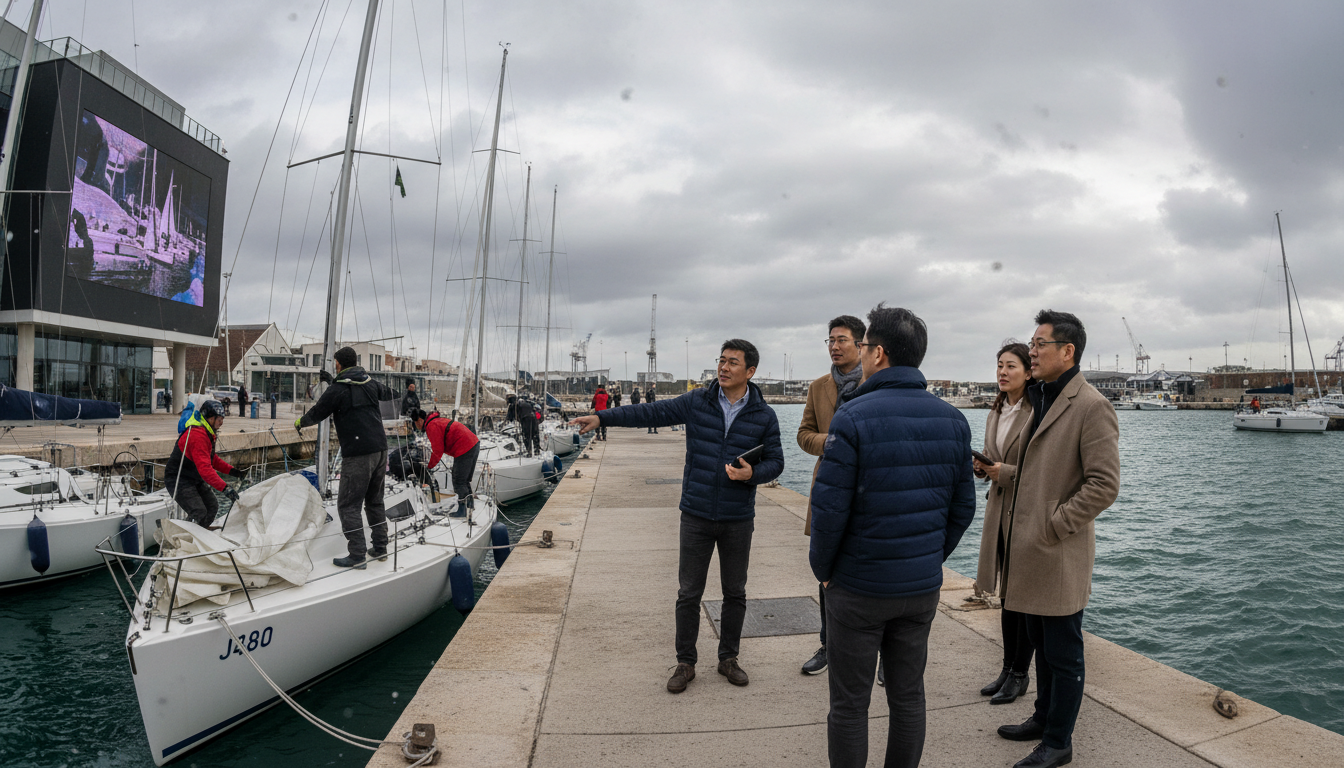
The 2026-2027 J80 Winter Series, set to commence at the Real Club Náutico de Valencia, features close to 20 teams and a schedule of six races. Defending champions Solgreen are listed to compete against a field that includes both national and international contenders. This event, a fixture in European club racing, offers a snapshot of established yachting economies where competitive keelboat fleets thrive with regular, well-attended series.
From an Asia-Pacific perspective, such a scene underscores a long-standing disparity. The region, while experiencing significant economic growth and increased interest in leisure marine activities, frequently lacks the foundational elements that support sustained competitive sailing. The development of yachting often prioritizes larger, luxury vessels and marina infrastructure for superyachts over accessible club-level racing. This pattern is visible in the focus on high-end real estate developments and the associated marine facilities, rather than the grassroots support needed for racing classes like the J80.
Investment in maritime infrastructure in Asia-Pacific has largely targeted commercial shipping, tourism, and real estate. For example, CapitaLand topped Asia-Pacific real estate assets under management with US$55.9 billion in 2019, reflecting substantial capital flow into property-related ventures, which sometimes include marina components. However, these developments often cater to a different segment than the competitive sailing community, which requires specialized facilities for boat storage, maintenance, and regular event hosting.
The absence of a comparable, robust, region-wide club racing circuit means that aspiring competitive sailors from Asia-Pacific often look to established European venues for high-level competition and training. The incentives for developing such a circuit are complex. While a successful racing scene could foster local talent and generate economic activity through event tourism and marine services, the capital outlay for specialized facilities and the sustained administrative effort required are significant. The current economic calculus for private and public investors in the region still appears to favour less niche, higher-return property or tourism projects. The long-term growth of competitive sailing in Asia-Pacific depends on a shift in investment priorities toward more accessible and structured club-level racing infrastructure.
Without this shift, European clubs will continue to host the primary competitive platforms, drawing talent and investment away from Asian waters. The continued reliance on European circuits for high-level racing implies that the region's marine leisure sector, despite its growth, remains underdeveloped in a key segment of maritime sports. The question remains how long this will be the case, given the region's increasing wealth and maritime ambitions.
Sources
Newsletter
Pacific Daily
A curated briefing from Thailand, Asia-Pacific and the world.