A distant museum, a closer cost for Asia-Pacific aspirations
Los Angeles gains a cultural landmark, but its location highlights an ongoing imbalance in global cultural investment.
SINGAPORE
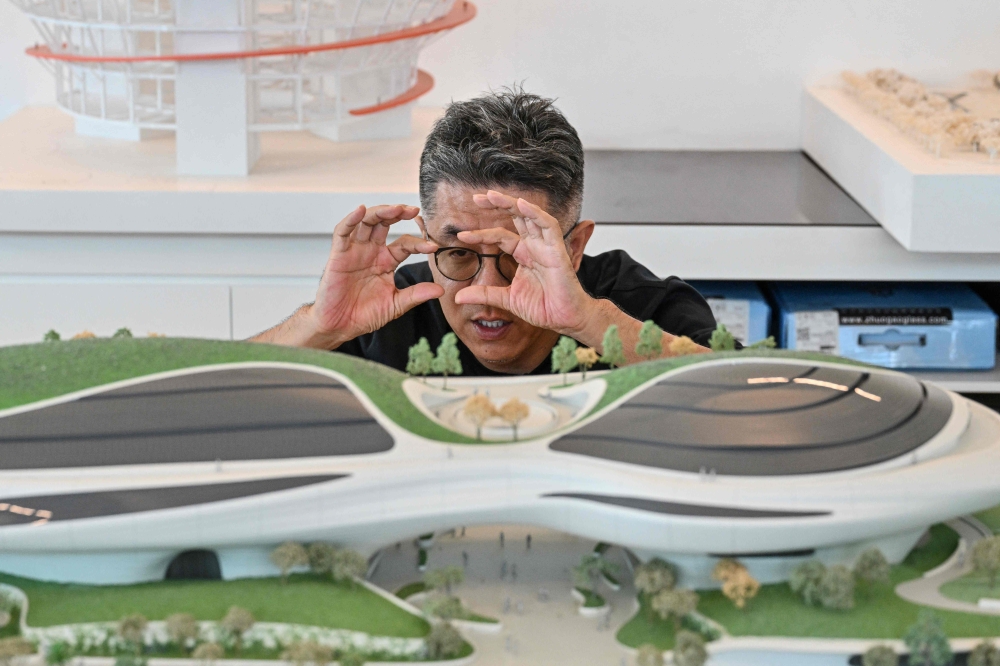
The reported landing of George Lucas’s futuristic museum in Los Angeles, designed by Ma Yansong, marks a significant cultural development in the United States. This opening was anticipated as one of six major museum openings in 2026, according to a BBC report from February 2026. While the museum's architecture, described as a 'spaceship-style design' by Malay Mail Life, may capture global attention, the decision to locate such a high-profile institution in Los Angeles, rather than an emerging cultural hub in the Asia-Pacific, carries implications for regions like Thailand.
The investment in a museum of this scale, featuring a globally recognized figure like George Lucas and a prominent architect like Ma Yansong, represents a substantial allocation of resources. The New York Times previously noted, in 2016, the impact of films like Star Wars in China, suggesting a significant audience and cultural engagement with these properties within the Asia-Pacific. However, the subsequent concentration of major cultural infrastructure projects in established Western centers means that the potential economic and cultural benefits associated with such institutions remain largely outside the region. The cost, in this context, is borne by cities and countries in the Asia-Pacific that continue to develop their own cultural offerings and infrastructure.
Some might argue that cultural institutions often gravitate towards areas with established funding, tourism, and foundational infrastructure, which Los Angeles possesses in abundance. It is also true that Ma Yansong's involvement demonstrates a recognition of Asian architectural talent on a global stage, a positive development in itself. However, this perspective does not fully address the systemic pattern of global cultural investment. While individual Asian artists and designers may contribute to projects worldwide, the material investment in cultural landmarks remains geographically concentrated. The lack of a comparable high-profile, globally significant museum project of this nature being established within the Asia-Pacific region, despite the documented interest in the cultural properties it might house, illustrates this.
This pattern reflects a wider habit in global cultural and economic flows. Projects that attract international headlines and substantial capital tend to reinforce existing power structures rather than catalyse new ones in developing regions. For the Asia-Pacific, the consequence is not merely the absence of a building, but the ongoing deferral of the economic activity, skilled employment, and cultural prestige that such a project would generate locally. It leaves Thailand and other nations in the region to continue building their own cultural prominence without the immediate catalyst of a landmark global institution. The focus remains on indigenous development, as seen in local reports such as the Bangkok Post’s coverage of ‘green deposits’ initiatives, which address domestic priorities rather than global cultural infrastructure.
Sources
Newsletter
Pacific Daily
A curated briefing from Thailand, Asia-Pacific and the world.