Social Initiatives and the Limits of Corporate Philanthropy in Asia's B40 Markets
FWD Malaysia's recent charitable grant, while addressing immediate needs, highlights a structural reliance on corporate giving in regions where systemic support for vulnerable populations remains incomplete.
SINGAPORE
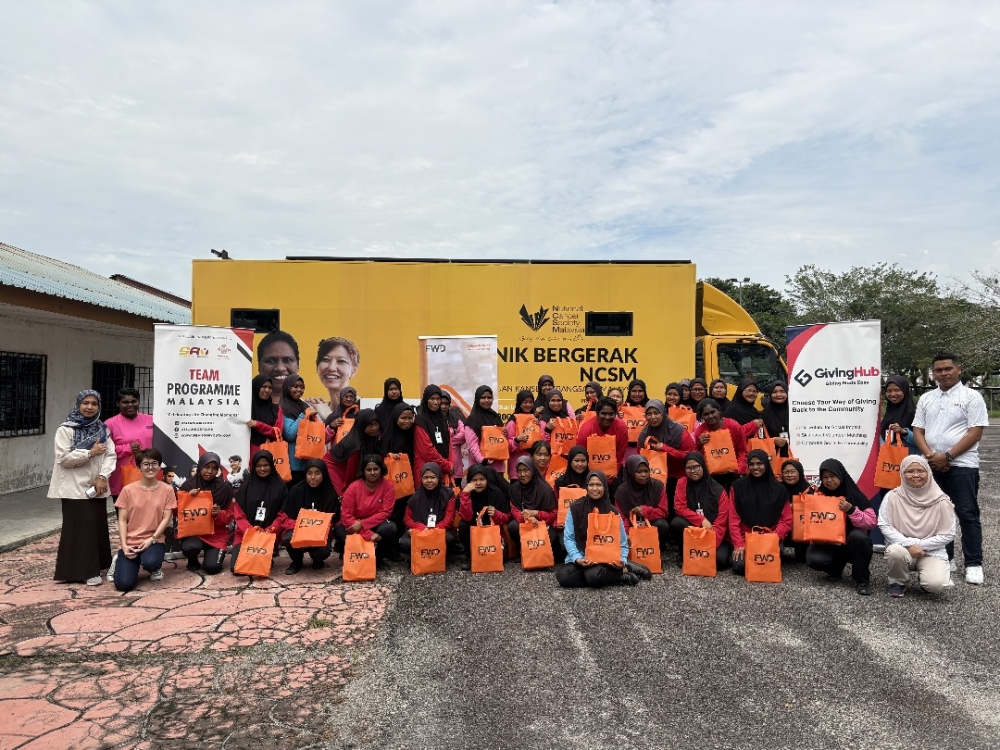
FWD Malaysia's charitable grant to GivingHub, announced on September 22, 2026, aims to deliver health education and cancer screening to 170 low-income B40 families. This initiative, reported by Malay Mail Life, extends a pattern of corporate engagement in social welfare across Asia-Pacific markets.
Such partnerships, including FWD Takaful's bancatakaful agreement with MBSB in May 2026, often frame corporate social responsibility as a direct mechanism for market penetration. While the stated goal of supporting B40 families is clear, the underlying commercial incentives for FWD are equally evident. FWD, a company controlled by Tycoon Richard Li, has demonstrated a consistent intent to expand its market share, as reported by Bangkok Post in September 2024. Its past efforts to secure substantial capital, through a $1 billion Hong Kong IPO filing in February 2022 and a bid for a New York listing in June 2021, indicate a long-term growth strategy that incorporates a public-facing commitment to community welfare. These actions can be interpreted as a means to foster brand recognition and trust within underserved communities, potentially paving the way for future product uptake, particularly in a region where social safety nets are often fragmented or underfunded.
The provision of health education and cancer screening addresses critical public health gaps for the B40 income group, which represents the bottom 40% of households by income. In many Asia-Pacific nations, this demographic faces significant barriers to accessing preventive care and health information. Corporate initiatives like FWD’s can fill these immediate voids. However, this approach also relies heavily on the discretionary spending and strategic interests of private entities. It raises the question of sustainability: what happens to these programs if corporate priorities shift, or if the perceived return on investment diminishes?
Reliance on corporate philanthropy, while providing immediate relief, underscores a persistent structural issue. Governments across the region are often stretched in their capacity to deliver comprehensive social services, particularly in health. The focus on B40 families is important, but a charitable grant from a private insurer, however well-intentioned, is not a substitute for robust public health infrastructure or universal healthcare provision. It acts as a stopgap measure, rather than a systemic solution, for populations that are often priced out of adequate healthcare. The intervention directly benefits a small cohort, but does not address the broader economic and policy conditions that create the B40 classification and its associated vulnerabilities.
The intervention directly benefits a small cohort, but does not address the broader economic and policy conditions that create the B40 classification and its associated vulnerabilities.
There is an argument that corporate involvement brings efficiency and targeted delivery that public sector programs might lack. The immediate impact on 170 families cannot be dismissed. However, without a broader policy framework for sustainable social support, such initiatives risk becoming isolated acts of generosity rather than drivers of fundamental change. The tension between addressing immediate needs and building long-term, equitable systems remains unresolved. The outcome now depends on whether these corporate engagements catalyze more substantial public investment and policy reform, or merely serve as temporary alleviations in the absence of comprehensive state support.
Sources
Newsletter
Pacific Daily
A curated briefing from Thailand, Asia-Pacific and the world.