A Greek Sunlounger, a Final Argument: The Frictions of Arrivals
An 82-year-old man's death on a Mediterranean beach offers a stark mirror to Asia-Pacific's tourism landscape.
SINGAPORE
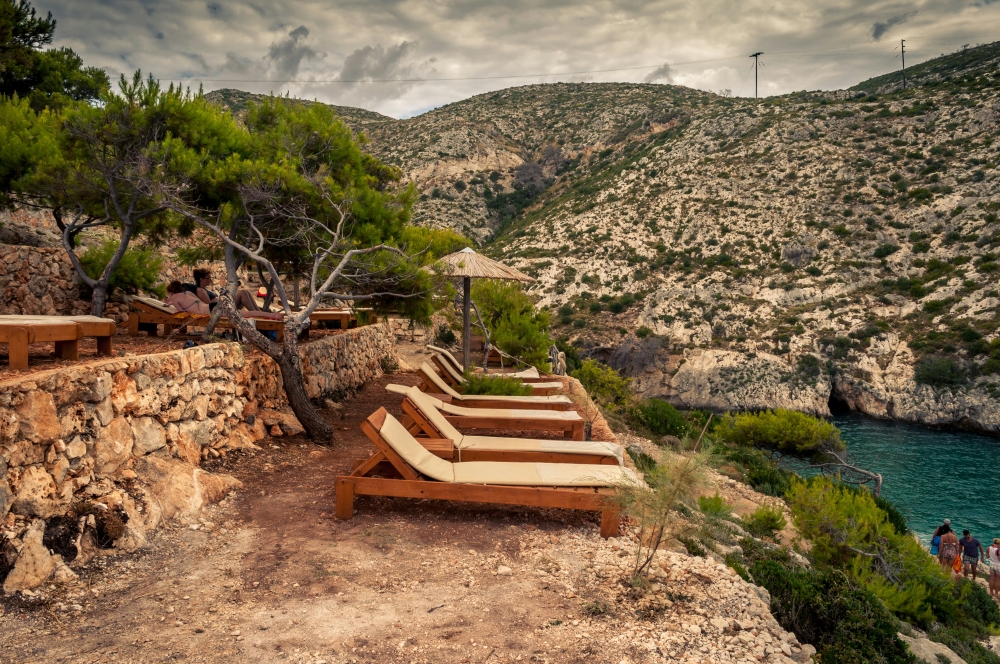
The sun-drenched beaches of Greece recently became the setting for a fatal confrontation. An 82-year-old man died on a Sunday after a dispute over a sunlounger. A 76-year-old individual was involved in the brawl, which unfolded in a place often perceived as an idyllic escape.
This incident, though geographically distant, resonates with a fundamental tension observed across Asia-Pacific destinations. Arrival in a new place often comes with implicit, sometimes unspoken, demands on the local environment and its inhabitants. The desire for a personal space, exemplified by a sunlounger on a beach, can quickly escalate when expectations collide with the reality of shared resources or differing cultural norms. The tragedy in Greece, where an argument turned deadly, underscores the fragility of peace when individual claims, however seemingly minor, meet resistance. It is a sharp illustration of how the pursuit of leisure can, at times, become a source of profound friction.
The increasing volume of global travel means more people are arriving in more places, seeking their own version of an experience. While Greece has recently charted a course for engagement in the Indo-Pacific, its domestic incidents offer a cautionary tale relevant to the region. Airlines, as reported by Reuters in May 2026, are grappling with surging fuel costs, leading to price hikes and outlook cuts. This trend suggests that travel, for many, is becoming a more considered and perhaps more expensive endeavor. Visitors who pay more might arrive with heightened expectations, inadvertently increasing the potential for impatience or territoriality. This is a prediction, resting on the evidence of rising travel costs and the observed human tendency to value more what is paid for more dearly.
Yet, a counterargument exists. The vast majority of interactions between visitors and hosts remain peaceful and mutually beneficial. The incident in Greece was an extreme outlier, an isolated tragedy involving two elderly individuals, not necessarily indicative of broader systemic friction between tourists and locals, or even between tourists themselves. The data from Malay Mail Life on September 21, 2026, which mentions other news items like political resignations and constitutional matters, alongside this event, indicates that a singular, dramatic event can capture attention, but does not always define the wider landscape. The core issue of human temperament and the management of shared spaces remains consistent, regardless of the price of airfare or geopolitical alignments.
Ultimately, the image of an argument turning fatal over a sunlounger is a stark reminder. It asks what precisely a destination offers its visitors, and what, in turn, it asks of them. The tranquil shore, often sought for respite, can become a stage for the most basic human conflicts. The responsibility falls not just on hosts to manage spaces, but on every arrival to navigate them with an acute awareness of the shared world they momentarily inhabit. The quiet desire for a perfect spot can, unexpectedly, hold the seeds of conflict.
Sources
Newsletter
Pacific Daily
A curated briefing from Thailand, Asia-Pacific and the world.