Bhutan’s Energy Shift Signals Broader Pressures for Asia-Pacific Households
Reliance on a single energy source carries financial risk, especially as climate patterns change.
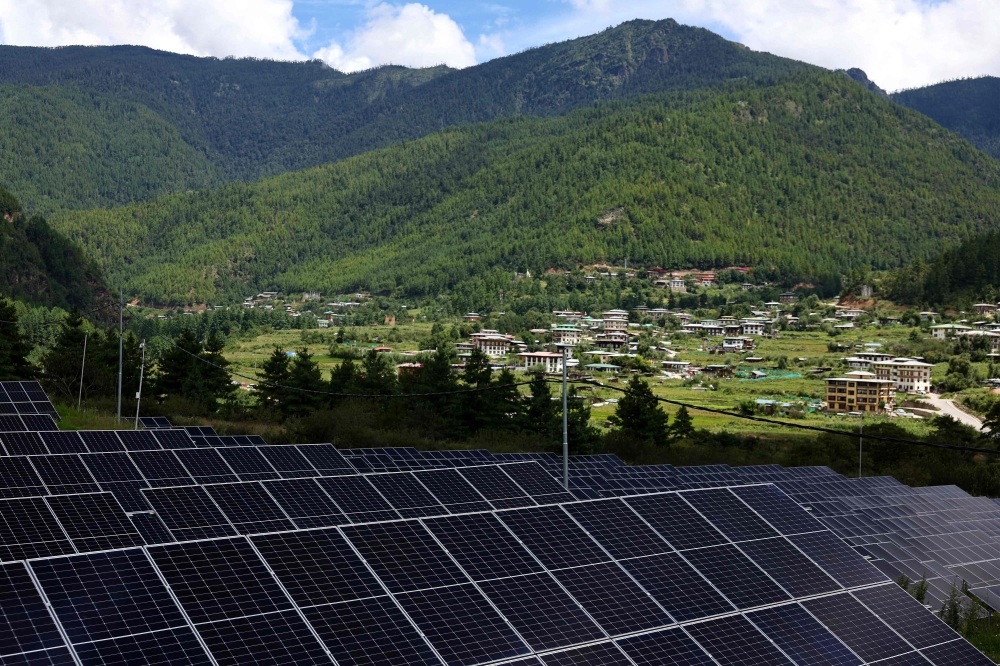
Bhutan, known for its hydropower, is now turning to solar energy to address winter shortfalls. Engineer Rinzin Galley oversees a project at a former military shooting range in Thimphu, which signals a move to diversify the country’s power sources. This development, reported on September 16, 2026, highlights how shifts in energy production, even in a small nation, can reflect wider economic pressures felt across the Asia-Pacific region.
Historically, hydropower has been Bhutan's primary energy source, allowing it to generate more electricity than it consumes. This surplus has historically been sold to neighboring countries, providing revenue. However, the Malay Mail Life report implies a growing challenge to this model, particularly during winter months when water flows may decrease or demand may rise beyond current capacity. The move towards solar is an attempt to mitigate these seasonal vulnerabilities.
For an everyday household, whether in Thimphu or Bangkok, the source of electricity directly impacts monthly budgets. An energy system heavily reliant on a single input, even a renewable one like hydropower, carries inherent risks. Fluctuations in seasonal weather patterns, exacerbated by climate pressures, can lead to instability in supply. When supply becomes unreliable, the cost of electricity can increase, or the burden of blackouts can fall on consumers.
The adoption of solar, in this context, is a practical step towards energy security. It spreads risk by introducing a complementary energy source that may perform well when hydropower faces constraints. This diversification can stabilize supply and, by extension, energy costs for consumers. However, the transition itself requires investment, and the immediate impact on household bills may not be a reduction but rather a stabilization that prevents future increases.
While some might argue that Bhutan's unique geographical and economic position makes its energy strategy inapplicable to larger, more industrialized nations, the underlying principle holds: over-reliance on any single energy source creates vulnerability. For countries like Thailand, which import a significant portion of their energy, the lesson is clear. Investing in diverse, localized renewable sources, even if they appear modest at first, can build resilience against global price shocks and climate volatility. The long-term stability of a monthly budget often depends on the resilience of national infrastructure.
Sources
Newsletter
Pacific Daily
A curated briefing from Thailand, Asia-Pacific and the world.