El Niño's Shifting Realities: A Human-Scale Look for Asia's Expats
Record rain in Chile's Atacama Desert signals climate volatility, prompting questions about daily life and long-term stability for expatriate communities across the Pacific Rim.
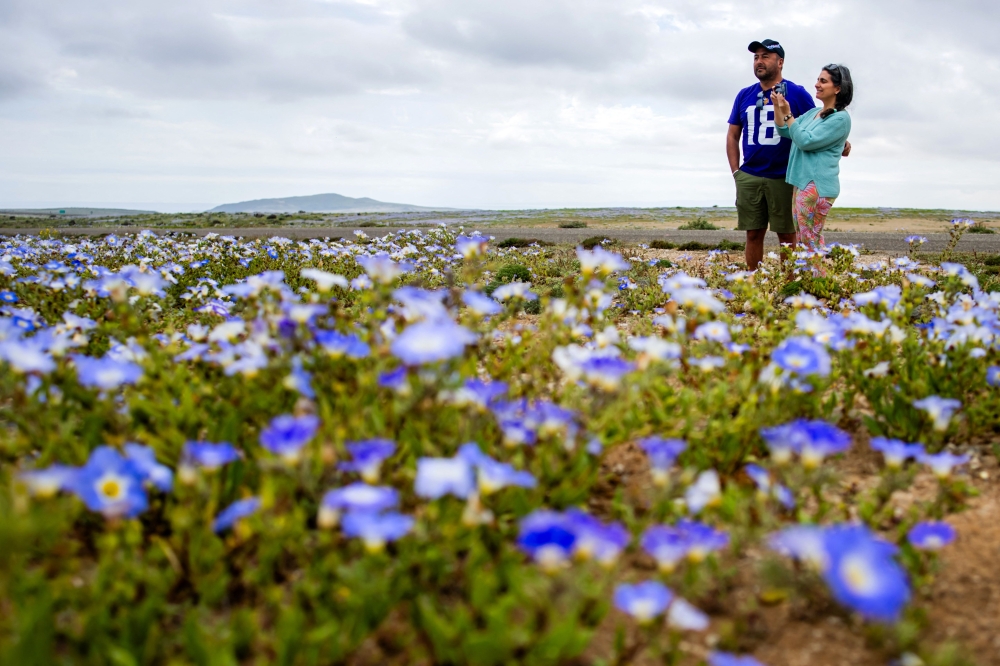
The Atacama Desert in Chile, recognized for its extreme aridity, has undergone a notable transformation. Record rainfall, a reported consequence of the El Niño weather phenomenon, led to a vast display of wildflowers across the region, as reported on September 23. This unexpected botanical event, while visually striking, carries implications for those living and working in the Asia-Pacific region, particularly in countries like Thailand.
Historically, the El Niño effect has been associated with altered weather patterns globally. The recent events in Chile suggest a more direct and tangible impact. For expatriates and long-term residents in Asia, whose decisions about location are often linked to stable climates, these shifts present potential changes to daily routines and economic considerations.
In Thailand, for instance, the expatriate experience is frequently influenced by access to natural amenities, outdoor activities, and agricultural stability. Changes in rainfall patterns, such as prolonged dry spells or intense, unseasonal downpours, have direct consequences. An extended dry season could affect water availability, potentially impacting everything from personal consumption to the cost of local produce. Conversely, an increase in torrential rains risks flooding, infrastructure damage, and disruptions to transportation networks. These factors directly influence the perceived quality of life and operational costs for businesses that depend on predictable logistics.
The Chilean desert's floral spectacle serves as an indicator of potential environmental volatility. While the Atacama is geographically distant from Southeast Asia, the global interconnectedness of climate patterns suggests that such extreme events can have relevance far beyond their immediate location. The underlying cause—a strong El Niño—influences atmospheric and oceanic conditions across the Pacific, including the Asia-Pacific region. This suggests that areas typically accustomed to distinct wet and dry seasons might experience deviations, such as prolonged dry periods followed by intense precipitation, mirroring what occurred in Chile.
The extreme flowering in the Atacama, driven by record rainfall, functions as a natural warning sign for regions that might anticipate their own climatic shifts.
Some might suggest that this event is a localized anomaly, or that diverse regions in Asia possess sufficient resilience or adaptation strategies. While many Asian nations have experience managing monsoons and seasonal changes, the scale and unexpected nature of the Atacama bloom point to a potential for events outside of historical norms. Traditional planning for agriculture, tourism, and urban development often relies on historical weather data. If these patterns become less reliable, the economic and social structures that support expatriate communities could face unforeseen pressures.
Direct Impacts on Expat Lifestyles The central question is not whether the Atacama will bloom again, but what similar, unexpected environmental transformations might occur in other regions affected by El Niño, and what preparations are in place. For expatriate residents, whose lives are often intricately linked to local conditions, an unstable environment can alter everything from daily commutes to long-term property investments. The cost of living could increase due to agricultural impacts, and healthcare systems might face new challenges from climate-related health issues.
A Shift in Environmental Stability Ultimately, the outcome now depends on how actively governments and communities in the Asia-Pacific interpret and respond to these global climatic signals. The Chilean example underscores that, for expatriate life in the region, the stability of the natural environment is not a fixed condition; it is a variable that now requires constant assessment and adaptation.
Sources
Newsletter
Pacific Daily
A curated briefing from Thailand, Asia-Pacific and the world.