Martial Law Mentions Signal Property Risk, Not Security
The casual reference to military deployment by leaders, however distant, introduces an intangible but real risk premium for Asian property markets. The question is who bears the cost.
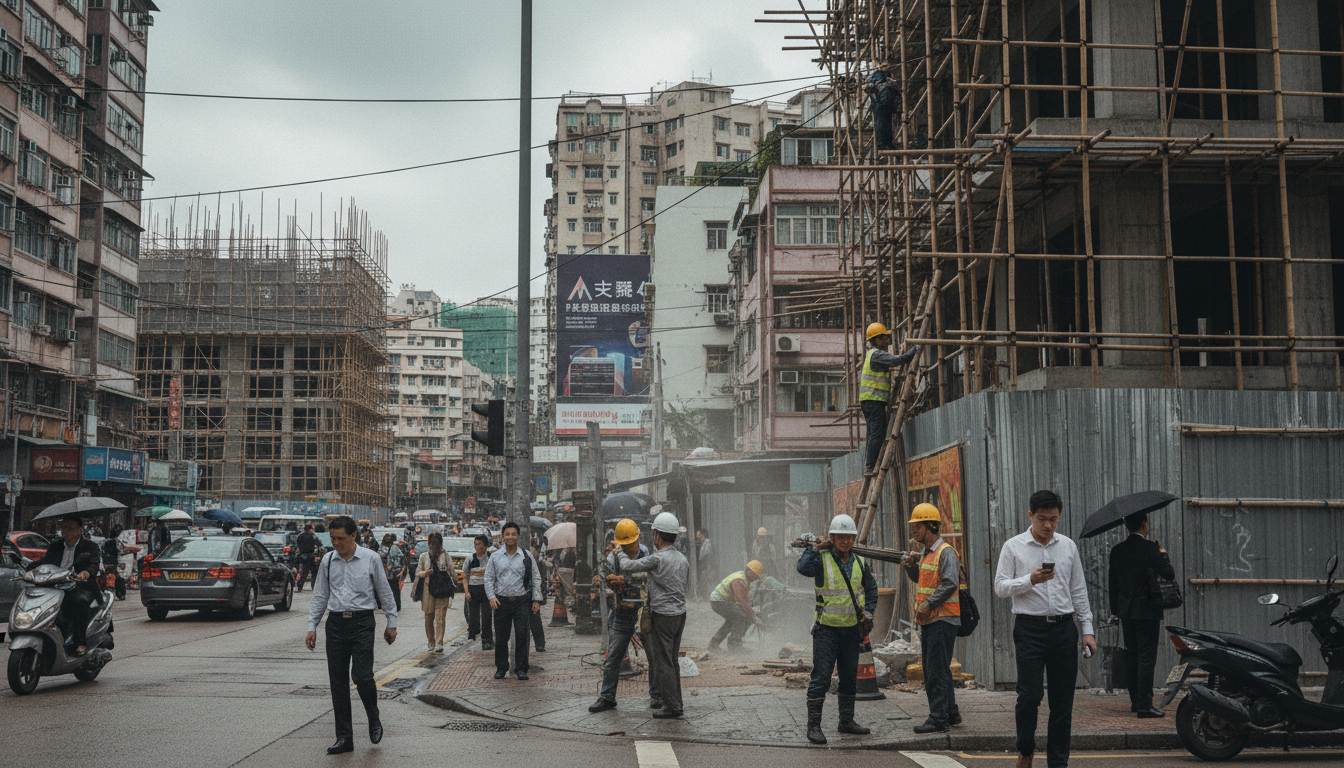
The casual invocation of martial law by political figures, whether as a political threat or a response to crisis, creates a measurable risk. When military deployments are discussed, even in distant contexts, they alter perceived stability, which in turn impacts property values and investment. The Cuenca High Life report of September 14, 2026, noting leaders on two continents considering military action, highlights a global trend that Asian property markets cannot ignore. This is not about the specific legalities of martial law, but the market signal sent by its discussion.
Financial data and policy documents consistently show that political stability is a primary driver of long-term property investment. The mere mention of deploying troops to maintain order, as seen with lockdown enforcement in western Sydney in 2021, can quickly introduce uncertainty. While the circumstances described in Cuenca might seem remote, the underlying principle holds: perceived security, or lack thereof, directly influences an asset's risk profile. For investors, this translates into a higher required rate of return, effectively pricing out segments of the market. The essential question for the property correspondent remains: Who is priced out by this, and where do they go?
Consider Thailand, a regional hub for foreign direct investment in real estate. The allure of its growing economy and tourism sector is often balanced against its political history. Any signal of increased instability, even if originating elsewhere, can trigger a re-evaluation of risk. An investor, weighing options across the Pacific Rim, will factor in the broader geopolitical climate. If the discourse around martial law becomes normalized, or if domestic political situations hint at such measures, the cost of capital for property development and acquisition rises. This affects developers' margins and, ultimately, the affordability for end-users, both domestic and international.
The incentive for leaders to project control, often through shows of force, is clear. However, the economic consequences, particularly for property, are often overlooked. The immediate impact might be localized, but the broader narrative around 'security' and 'order' resonates across international markets. When a President can consider deploying troops and anticipate judicial support, as mentioned regarding Trump, it suggests a certain power dynamic. Conversely, a President facing judicial resistance, like Noboa, illustrates a different institutional landscape. These nuances, while political, translate directly into investor confidence and, by extension, property market liquidity.
Some might argue that such discussions are confined to specific contexts and do not broadly affect the diverse property markets of Asia. They might contend that robust economic fundamentals or strong domestic demand can insulate markets from these political externalities. However, even in resilient markets, a heightened perception of political risk can deter new foreign capital, especially from institutional investors seeking long-term stability. Smaller, more speculative investors might remain, but the broader base of strategic capital becomes more cautious. This shift in capital flows can lead to slower growth in property values, increased vacancy rates, and a re-prioritization of safer, less volatile asset classes. The ongoing evolution of Pacific Rim scouting, which remains smaller-scale despite its growth, suggests a cautious approach to regional dynamics.
Ultimately, the outlook for Asian property markets depends on the clarity and consistency of legal frameworks and the predictability of governance. The casual reference to extraordinary security measures, however theoretical, creates an unresolved constraint: the erosion of perceived stability. This, in turn, dictates the future flow of capital and the fundamental cost of entry into the market.
Sources
Newsletter
Pacific Daily
A curated briefing from Thailand, Asia-Pacific and the world.