Vancouver's Civic Contest: A Distant Mirror for Asian Urban Centers
The upcoming municipal election in Vancouver presents a local political contest with broader implications for how global cities balance growth and liveability, a dynamic familiar across Asia-Pacific.
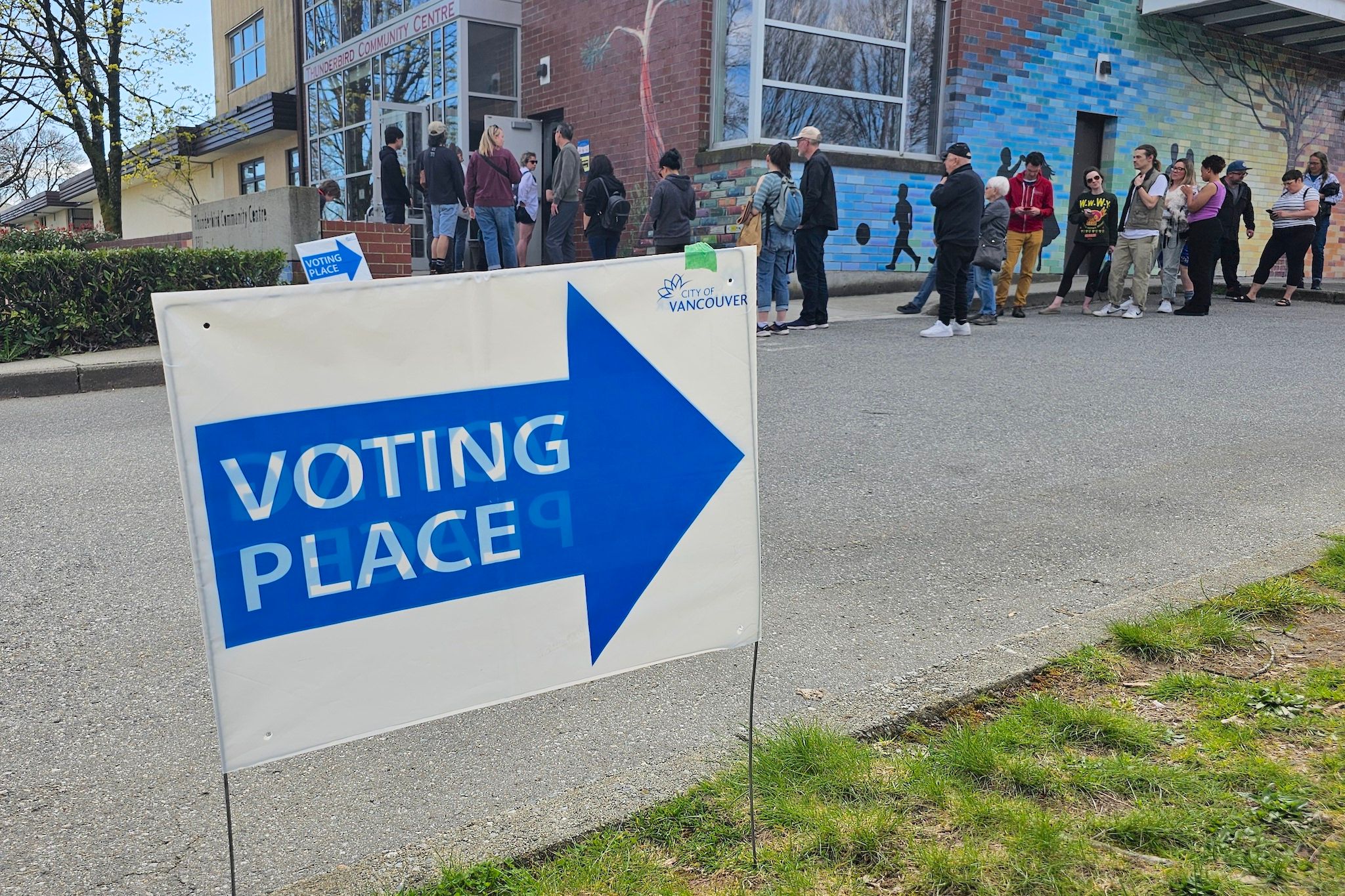
Vancouver, a city noted for its hospitality offerings, is preparing for a civic election. The ballot for 2026 includes races for mayor, 10 city councillors, seven Vancouver Park Board commissioners, and nine Vancouver School Board trustees. Eight candidates are seeking the mayoral position, including incumbent Ken Sim of ABC Vancouver, Colleen Hardwick of TEAM For A Livable Vancouver, Pete Fry of the Green Party of Vancouver, Rebecca Bligh of Vote Vancouver, Muhammad Ahmad of Bright Future Vancouver, and Kareem Allam of the Vancouver Liberals. Amauri Caliman and Scott Gilbert are also running without listed party affiliations. A total of 56 candidates are vying for the 10 city councillor seats, with ABC Vancouver fielding nine and TEAM and the Vancouver Liberals also presenting slates.
This Vancouver contest, while local in its execution, mirrors a tension visible in many rapidly developing urban centers throughout Thailand and the broader Asia-Pacific: the struggle to manage growth. The incumbent mayor, Ken Sim, represents one approach to urban governance. His challengers, with varied platforms, suggest alternative priorities for housing, infrastructure, and public services. The composition of the city council, with 56 candidates for 10 seats, highlights a fractured political landscape, where no single vision appears to command consensus.
For cities in Asia, particularly those undergoing rapid urbanization like Bangkok or Kuala Lumpur, the outcome in Vancouver offers a case study in electoral politics under conditions of high demand and constrained resources. The Vancouver model, where a multitude of parties and independent candidates contest municipal power, contrasts with more centralized planning often observed in parts of Asia. However, the underlying pressures — rising housing costs, infrastructure strain, and the allocation of public space — are universally felt. The question of who pays for urban development and who benefits remains central.
Consider the implications of a shift in Vancouver's political leadership. A new mayoral administration, or a significantly reconfigured council, could alter land-use policies, public spending priorities, and the regulatory environment for sectors like tourism and real estate. For example, policies affecting the development of high-rise condominiums or the preservation of green spaces could directly impact property values and the city's appeal to foreign investment. While specific policies are local, the directional shifts in urban planning and economic strategy can set precedents or offer lessons for other global cities facing similar challenges.
The counterargument posits that Vancouver’s specific political dynamics and demographic profile render its election results largely irrelevant to Asian urban centers. The city’s governance structure, with its elected Park Board and School Board, differs from many Asian cities where such functions might be integrated directly into the municipal government or centrally controlled. Furthermore, the sheer scale of population and economic activity in megacities like Tokyo or Shanghai presents challenges far exceeding those in Vancouver. Consequently, policy responses that succeed in Vancouver may not be scalable or applicable elsewhere.
However, this perspective overlooks the underlying economic forces that drive urban change globally. Vancouver, as a Pacific Rim city, experiences investment flows and demographic pressures that share characteristics with Asian counterparts. For instance, the demand for luxury accommodations, as highlighted by Forbes in 2022, reflects an international appetite for real estate and tourism in key global hubs. Changes in municipal leadership, particularly regarding development regulations and foreign investment policies, could influence capital flows and investor confidence across the Pacific. What happens in Vancouver regarding property taxation or zoning, for example, could be observed as an indicator of broader trends in urban policy, even if the direct application is limited.
The unresolved constraint is whether Vancouver’s political system, with its multi-party dynamics and numerous independent candidates, can deliver consistent, long-term urban policy. The outcome of this election will indicate which blend of growth and preservation the electorate prefers, providing a valuable, albeit distant, data point for other cities navigating similar pressures.
Sources
Newsletter
Pacific Daily
A curated briefing from Thailand, Asia-Pacific and the world.