A New Current in Old Cities
Guanajuato's tech investments signal a subtle but significant shift in how history and digital infrastructure are being woven together.
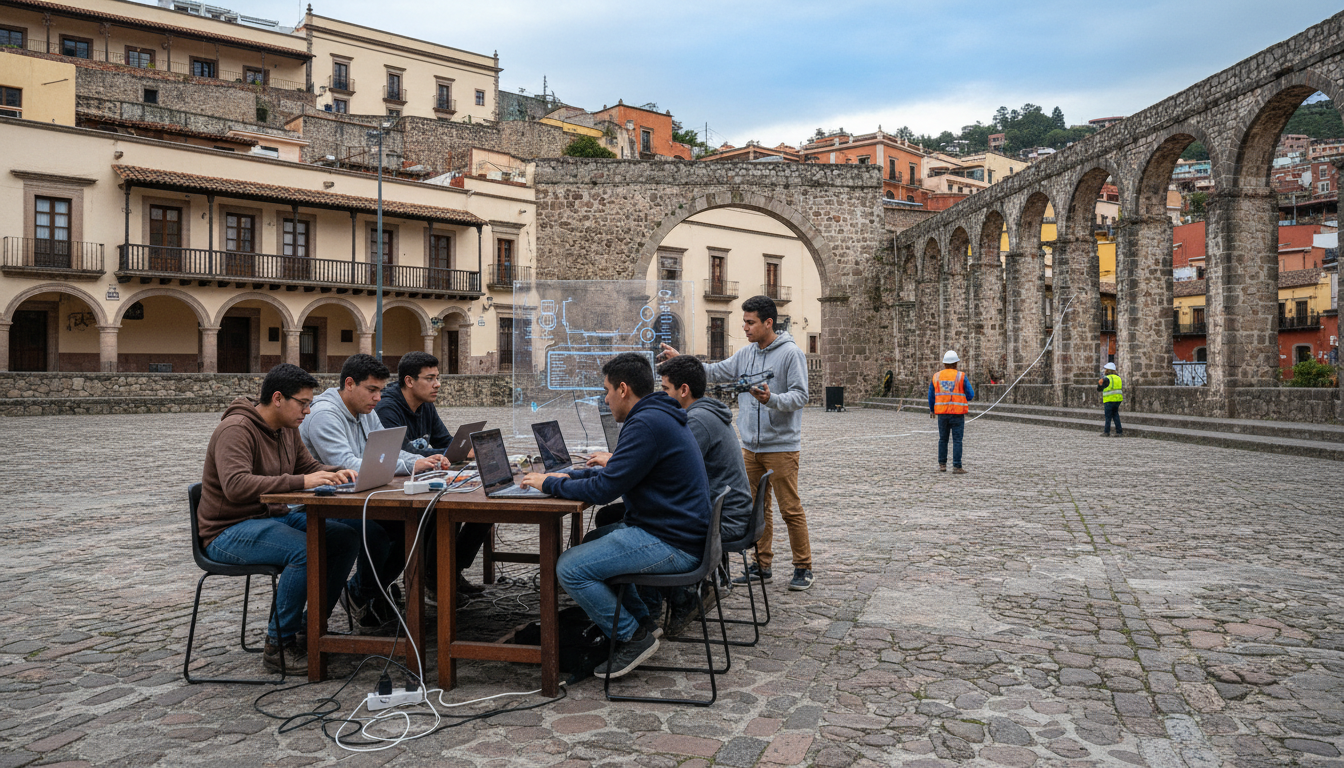
A quiet transformation is taking hold in Guanajuato. This region, often characterized by its colonial architecture and rich cultural heritage, has received US $630 million in data center investment. This figure encompasses two operational facilities and one under development, which together have generated 200 jobs. Two of these facilities, operated by ODATA, a member of the Aligned Data Centers group, are located in San Miguel de Allende and Apaseo el Grande.
For a place known more for its natural wine bars and historic townscapes, the emergence of these digital strongholds represents a notable shift. While the investment is specifically in data centers, a critical piece of modern infrastructure, the broader implications extend to the fabric of these cities. The question is not simply about the arrival of technology, but how this technological current alters the local rhythm, the established patterns of life and commerce, and the perceptions of what these places are.
The investment in Guanajuato is part of a larger, targeted infrastructure spend of US $8 billion over six years. This suggests a strategic regional push towards a digital economy. The immediate tangible outcome is the creation of 200 jobs, a direct economic injection into the local workforce. However, the presence of these centers also necessitates consistent energy, connectivity, security, and specialized talent, requirements that themselves can reshape local infrastructure and educational priorities.
While the financial investment is clear, and the jobs created are quantifiable, the long-term cultural and urban impacts remain to be fully understood. The immediate benefits of data centers are often perceived as remote, enabling global digital services rather than directly serving local populations in their daily lives. The physical manifestation of these centers — typically large, secure, and often isolated structures — stands in stark contrast to the human-scaled, intricate streetscapes that define cities like San Miguel de Allende. This juxtaposition raises a tension: will these digital hubs integrate into the existing cultural landscape, or will they exist as separate, functionally distinct entities, changing the region's economic identity without altering its deeply ingrained cultural one? The balance between preserving the historical essence and fostering new forms of growth is now a tangible, evolving negotiation in Guanajuato.
Sources
Newsletter
Pacific Daily
A curated briefing from Thailand, Asia-Pacific and the world.