Domestic spaces and the unseen burden of care in Southeast Asia's urban centers
While Singapore grapples with helper accommodation, the underlying tension between aspiration and spatial reality extends across the region.
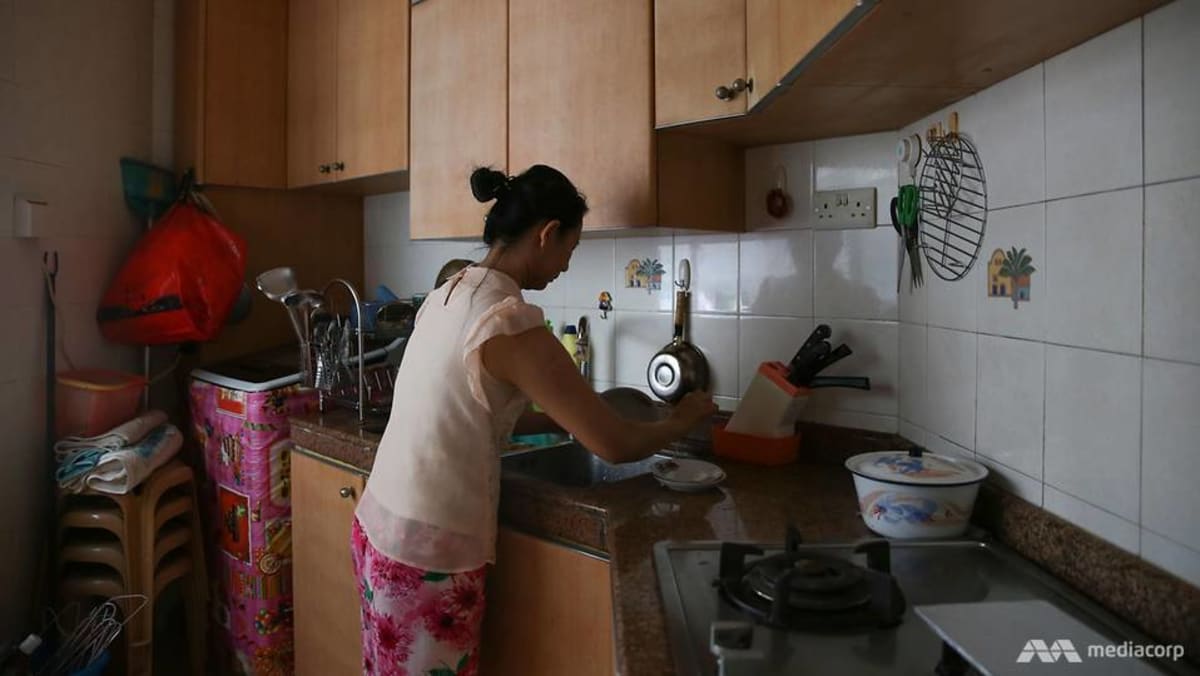
SINGAPORE
A recent observation concerning Singaporean families and the challenge of accommodating domestic helpers within increasingly compact urban dwellings touches on a wider phenomenon. Writer Annie Tan, as reported on September 15, 2026, highlighted that families with children or elderly members often face the most acute need for live-in assistance, yet simultaneously contend with the greatest constraints on physical space. This dynamic, where the economic necessity of care clashes with the shrinking footprint of urban living, is not unique to a single city-state.
Across Southeast Asia, the promise of urban centers often involves a compromise on living space. Apartments designed for nuclear families become sites of internal negotiation when a domestic helper, often a migrant from a neighboring country, is introduced into the household. This is not merely a matter of square footage; it is a question of how societies integrate essential service providers into the domestic sphere, particularly when the architectural forms of modern cities were not initially conceived with this integration in mind.
The demand for domestic help reflects persistent social structures: the continued expectation of female family members to manage households, often alongside professional careers, and the demographic shift towards an aging population requiring specialized care. As urban populations expand and incomes rise, the employment of domestic helpers has become a common strategy to navigate these pressures. Yet, the physical infrastructure, particularly residential design, often lags behind these social and economic shifts. The space allocated for helpers, if any, is frequently an afterthought, a corner carved out rather than a thoughtfully integrated living area.
This spatial tension generates uncomfortable questions, as noted by Tan. It compels a consideration of privacy, dignity, and the implicit hierarchies embedded within domestic arrangements. While the immediate issue is the physical squeeze, the deeper concern is how urban planning and social policy reconcile the growing reliance on domestic care with the evolving realities of urban density. The prevailing architectural patterns, favoring efficiency and density, may inadvertently create social friction by failing to anticipate the full human ecosystem of a household.
Some argue that the economic benefits for both employer and employee outweigh these spatial difficulties, viewing the arrangement as a pragmatic solution to labor demands and income generation. For many, the ability to work in urban centers and send remittances home provides opportunities unavailable elsewhere. However, this perspective often sidesteps the lived experience within these confined spaces.
Ultimately, the discussion about fitting a helper into a small flat reflects a larger societal negotiation. It is a quiet dialogue between the aspiration for family support and the material realities of urban life. The built environment, in its silent geometry, reveals much about the values and priorities of the societies that construct it, and sometimes, the challenges they have yet to fully address.
Sources
Newsletter
Pacific Daily
A curated briefing from Thailand, Asia-Pacific and the world.