Singapore's Retail Pivot: Experience-Led Beauty and Its Cost
Malls in Singapore are shifting beauty retail from product sales to consumer experiences, a strategy that offers new revenue streams but also demands significant investment and operational expertise.
SINGAPORE
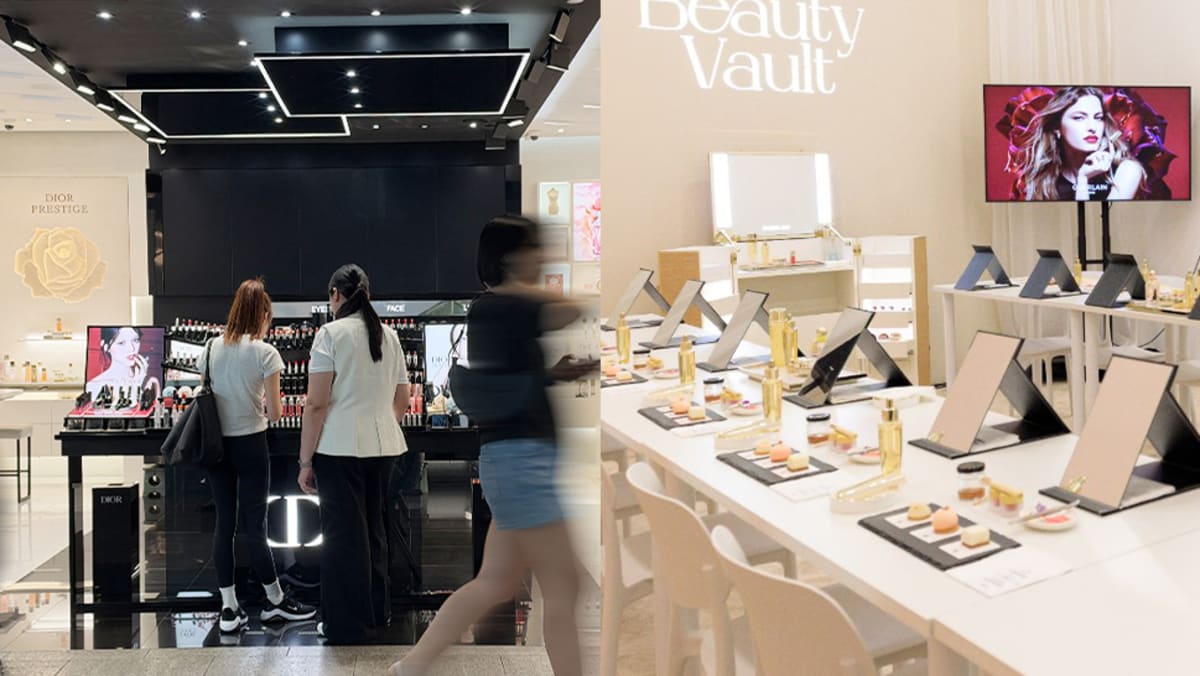
Singaporean malls are redefining beauty retail, moving beyond traditional counter sales to focus on consumer experiences. This shift, noted by CNA Lifestyle on September 30, 2026, involves offering skin analysis, personalized consultations, fragrance layering, and hands-on masterclasses. The aim is to transform beauty shopping into an immersive activity, rather than a simple transaction.
This reorientation reflects a broader trend in retail, where physical spaces must offer more than just merchandise. For mall operators, investing in experiential retail could increase foot traffic and dwell time, potentially boosting sales across various categories. However, the operational costs associated with these high-touch services are substantial. Training staff for specialized consultations, maintaining interactive displays, and developing engaging masterclass content all require capital and ongoing management attention. The question remains at what occupancy and sales volume these enhanced experiences become profitable for the retailers and property owners involved.
From a consumer perspective, the appeal is clear: a more engaging and personalized shopping journey. This can foster loyalty and encourage higher-value purchases, especially in a market where consumers are increasingly discerning. Reuters reported that Lombard Odier says more than half of Asia-Pacific's rich worry about recession, suggesting a tightening of discretionary spending. In this environment, experiences that offer perceived value or expertise might be better insulated than pure product sales.
The challenge for malls and beauty brands lies in execution. These experiences must be genuinely compelling and well-delivered to justify their cost and draw customers away from online channels. A 2019 report from The Straits Times highlighted the general imperative for retail reinvention, and this current pivot in beauty is a direct response to that. However, if the experiences fall short, or if they are simply seen as a gimmick, consumers will likely revert to convenience and price-driven purchasing elsewhere. The long-term viability hinges on whether these services can generate a sustainable premium or drive sufficient volume to offset the elevated operational outlays.
For regional markets like Thailand, this Singaporean strategy offers a blueprint, but also a caution. While experiential retail holds promise, the specific economic conditions and consumer preferences in each country will dictate its success. Local operators would need to assess whether the increased revenue from such initiatives can justify the necessary capital expenditure and specialized staffing in their context. The outcome for these innovative retail formats now depends on their ability to consistently deliver unique value that transcends the cost of entry for both the consumer and the retailer.
Sources
Newsletter
Pacific Daily
A curated briefing from Thailand, Asia-Pacific and the world.