Norway's royal transition introduces an uncertain factor for Asia-Pacific energy markets
The death of King Harald V and Queen Mette-Marit's health raise questions regarding long-term perceived political stability, influencing energy supply dynamics.
SINGAPORE
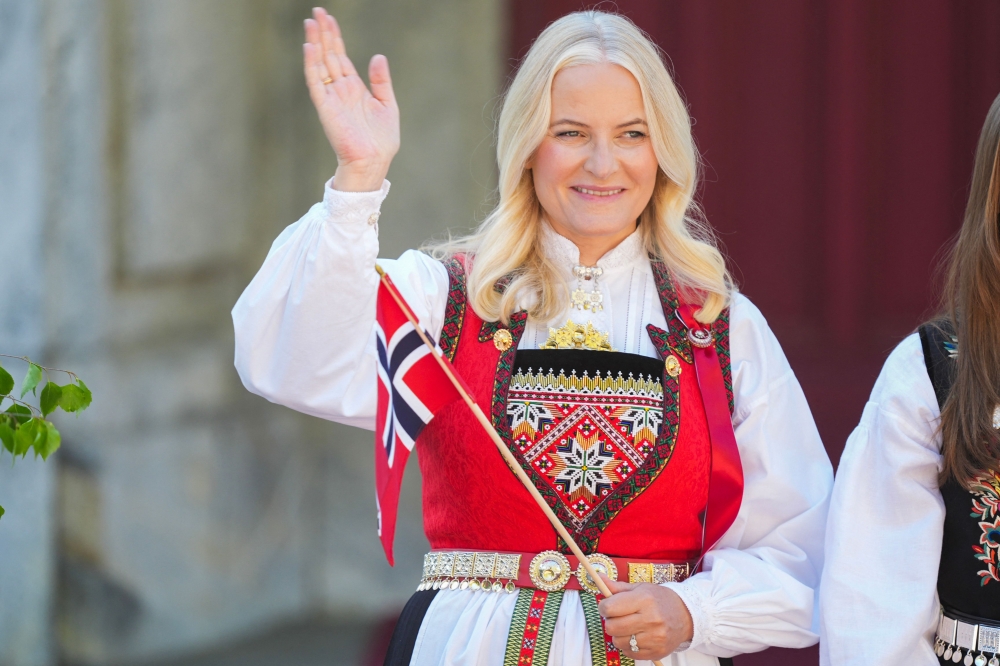
The death of Norway's King Harald V at 89 on August 28, 2026, and the subsequent accession of Queen Mette-Marit, introduces a new dynamic for Asia-Pacific energy markets. While royal transitions are typically symbolic, the health concerns surrounding the new Queen, reported to have a lung transplant, could introduce an element of political uncertainty over the long term. This is significant because Norway's energy sector, particularly petroleum products and LNG, plays an observable role in regional supply chains.
Equinor stated in May 2026 that an "Iran war" lifted Asia-Pacific interest for Norwegian petroleum products and LNG. This assertion indicates the region’s reliance on Norway as an alternative or supplementary source, especially during periods of geopolitical disruption in other major supply areas. King Harald V was described by Reuters on August 28, 2026, as a "reform-minded head of state," a characteristic that correlates with predictable policy environments. The stability implied by such leadership is a key factor in long-term supply contracts and investment decisions for energy infrastructure.
The immediate impact of the royal succession on energy policy or supply commitments is not evident. However, the long-term health of Queen Mette-Marit, following a lung transplant, could become a factor in leadership continuity. The "fairytale beset by woe" narrative surrounding her life, as described by Malay Mail Life on August 28, 2026, suggests a public perception that may also influence the perception of governmental stability. While Norwegian constitutional monarchy limits direct royal intervention in policy, a consistently present monarch provides an intangible layer of institutional reassurance.
From a market realist's perspective, the primary yield assumption for Asia-Pacific importers of Norwegian energy is long-term supply predictability. Any factor that introduces uncertainty into that predictability, however indirect, warrants attention. The potential for a less stable political environment, even if only perceived, could impact the premium Asia-Pacific buyers are willing to pay or the terms under which supply agreements are negotiated.
The counterargument posits that Norway's energy policies are robust, guided by established democratic institutions and a professional civil service, rendering royal health issues largely irrelevant to market fundamentals. This view suggests that even if there were to be further changes in the monarchy, the underlying economic and political structures governing energy production and export would remain stable. Furthermore, Malaysia's Anwar stated that Norway’s missile decision has not hurt Malaysia-EU ties, indicating an independent foreign policy posture that is not necessarily dictated by internal royal affairs.
However, the ongoing health of the head of state, particularly one whose public life is characterized by significant personal challenges, introduces a variable into the long-term outlook for perceived political stability. While specific financial data linking royal health to energy pricing is unavailable, the underlying principle of risk assessment in market operations suggests that any potential for disruption, however remote, is priced in. The outcome for Asia-Pacific energy consumers now depends on how effectively Norway's governmental structures demonstrate resilience in the face of this royal transition and the health narrative surrounding its new monarch. Ultimately, perceived institutional strength remains the anchor for these critical supply relationships.
Sources
Newsletter
Pacific Daily
A curated briefing from Thailand, Asia-Pacific and the world.