Economic Fallout of Sudan's Conflict Reaches Asia-Pacific Households
While a Sudanese tradition appears distant, global supply chains connect the impact of war and drought to monthly budgets far away.
SINGAPORE
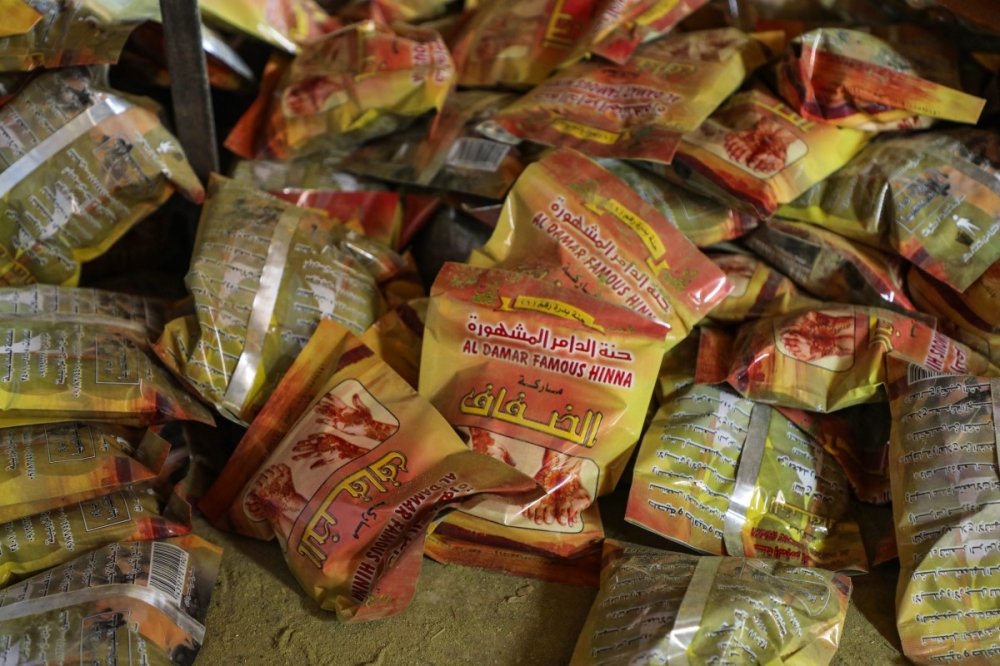
A beauty salon in northern Sudan, where a woman sat for henna, illustrates a connection between conflict and the wider economy. The reported decline of Sudan’s henna heritage, impacted by war, drought, and the Nile, might seem geographically distant from Asia-Pacific households. However, the dynamics at play in Sudan – conflict, resource scarcity, and their effects on local industries – often ripple through global supply chains and economic ecosystems, eventually touching consumer choices and budgets in regions like Southeast Asia.
Sudan has faced significant instability. The UK sanctioned commanders of the RSF in December 2025 over reported mass killings. The US invited Sudan's warring parties for talks in July 2024, with the RSF expected to participate. This ongoing conflict contributes to a hunger crisis, as documented in August 2025. Such widespread disruptions affect everything from agricultural output to the availability of goods, driving up prices or altering trade flows globally. Even specialized products, like henna, can signify broader market stresses.
Consider the monthly budget of an average household in, for example, Thailand. While a specific shortage of Sudanese henna might not register directly, the underlying causes of that shortage – conflict, environmental degradation, and interrupted supply chains – are factors that elevate the cost of various imported goods, from food staples to cosmetics. When a crisis in one region reduces the global supply of a commodity or increases the risk premium for trade routes, prices often adjust upwards elsewhere. This can mean higher costs for raw materials used in manufacturing, or increased shipping expenses for finished products, eventually reflected in retail prices.
One might argue that the impact of a niche product like henna from Sudan is negligible on the vast and diverse economies of the Asia-Pacific. The region sources materials and goods from a multitude of suppliers, and many economies are robust enough to absorb minor shocks. This perspective suggests that local crises in distant lands are often localized in their economic effect, with global trade routes offering sufficient resilience through alternative sourcing.
However, this view often underestimates the cumulative effect of multiple, localized disruptions. While one specific supply chain might be rerouted, the overall trend of increasing global instability, whether due to geopolitical conflicts or climate-related events, places persistent upward pressure on prices. For an everyday economy, these pressures accumulate. Consumers in the Asia-Pacific might not explicitly attribute a price increase in their shampoo or a certain spice to events in Sudan, but the interconnectedness of global markets means that the economic consequences of such distant events often contribute to the gradual erosion of purchasing power. The cost of living is not just a function of local demand and supply; it is increasingly influenced by a complex web of global events that make once-reliable sources unstable and transport more expensive. What happens in a salon in Al-Damer can, indirectly, mean a little less for discretionary spending in Bangkok.
Sources
Newsletter
Pacific Daily
A curated briefing from Thailand, Asia-Pacific and the world.