Malaysia's Heritage Focus Signals Shifting Expat Landscape
The Federal Kuala Lumpur's restoration points to a growing trend for a rooted international experience, moving beyond transient 'expat bubbles'.
SINGAPORE
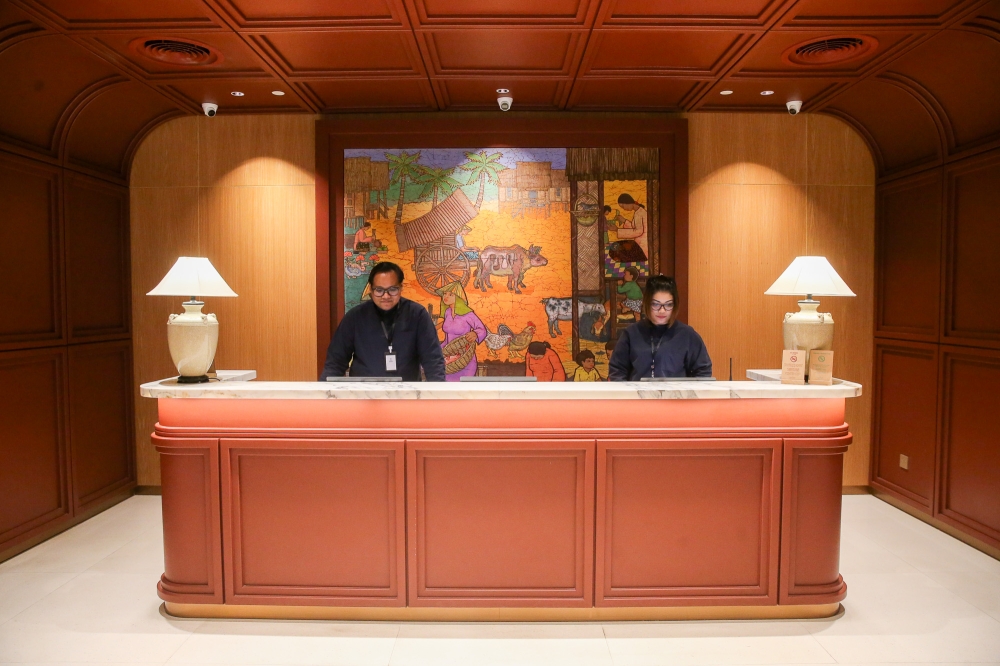
The refurbishment of The Federal Kuala Lumpur, a hotel originally opened in 1957, suggests a changing demand for international living in Asia. While the source details its restoration of 1957 elements and Art Deco windows, the underlying implication is an appeal to a different kind of long-term resident. This is not merely about preserving historical detail; it reflects a broader shift in what draws people to cities like Kuala Lumpur.
For years, the expat experience in Southeast Asia often focused on modern amenities and a Western-centric lifestyle. However, a move towards highlighting and investing in local heritage, as seen with The Federal Kuala Lumpur's revamp, indicates a recognition that some international residents seek a more integrated and historically aware experience. This can be observed elsewhere in the city, with landmarks like Bangunan Sultan Abdul Samad also reopening in February 2026, offering access to its history.
This focus on cultural authenticity is a potential driver for Malaysia’s appeal to expatriates who desire deeper engagement with their host country. While some international residents will continue to prioritize purely modern conveniences, the growth of heritage-focused initiatives could attract those who prioritize a sense of place and local identity. The city’s efforts to bolster its infrastructure, with Kuala Lumpur International Airport (KLIA) maintaining its position as Asia-Pacific’s most connected airport as of September 2026 and Malaysia aiming to become a leading air connectivity hub, provide the practical underpinnings for such an appeal.
A counterargument to this interpretation is that the primary motivations for relocation to Malaysia remain economic opportunity and lifestyle cost advantages, rather than historical immersion. It is also possible that such restorations are primarily aimed at attracting tourists, rather than influencing the choices of long-term international residents. The opening of new luxury accommodations, such as the Park Hyatt Kuala Lumpur in January 2026 within Asia-Pacific’s tallest building, suggests a continuing demand for contemporary, high-end experiences that might not prioritize heritage. Similarly, the establishment of new flight routes, like AirAsia X's Kuala Lumpur-Bahrain-London service in February 2026, highlights the ongoing focus on global connectivity, which may not intrinsically link to local cultural appreciation.
However, the commitment to restoring specific architectural elements from 1957 within a major hotel, as reported, suggests a calculated investment in a different kind of value proposition. The outcome now depends on whether this approach resonates with the broader population of international residents and if other developments follow a similar path. It also depends on whether this subtle shift in offering, from modern convenience alone to also include a rooted historical experience, measurably changes the length and depth of expat engagement with the host country.
Sources
Newsletter
Pacific Daily
A curated briefing from Thailand, Asia-Pacific and the world.