The Global Gaze on American 'Blackness' and its Echoes in Asia
A Paris exhibition offers a lens for Asia-Pacific nations to reconsider their own narratives.
SINGAPORE
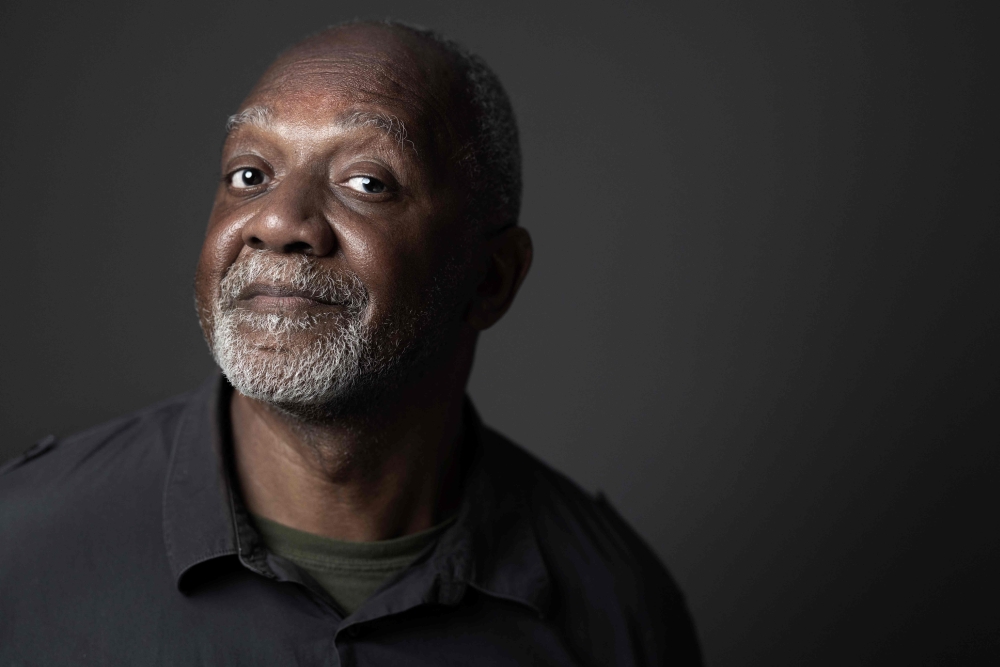
In a city often considered a crucible of Western art, an American painter named Kerry James Marshall is celebrated. The Malay Mail Life reports his work, focused on American 'blackness,' has garnered significant attention in Europe. This acclaim, noted by sources such as The Washington Post, which suggested crossing the Atlantic to see America’s “greatest living painter,” and The New York Times, which observed Marshall’s paintings “looking at you,” offers a point of reflection far beyond its Parisian setting.
Marshall himself, according to The Guardian, articulated that his paintings “don’t fit the narrative,” even as he depicts challenging subjects like “black enslavers.” The BBC found “hidden meanings” in his “US masterpiece,” while The New York Times highlighted Marshall’s intent to make “the paintings nobody else is making.” This European embrace of an artist grappling with identity and historical complexity, particularly within the context of American history, raises questions for destinations such as Thailand and the broader Asia-Pacific region.
Across Asia-Pacific, narratives of national identity, historical experience, and cultural memory are often presented through a particular lens, frequently shaped by state-sanctioned institutions or dominant cultural norms. The question Marshall’s European acclaim implicitly asks of those in Southeast Asia is: what stories are being told, and more importantly, what stories are not? When an artist like Marshall explicitly challenges prevailing narratives – depicting what The Guardian identifies as “black enslavers” – he forces a confrontation with uncomfortable truths. His work suggests that a nation’s history, no matter how presented, contains multitudes, including facets that may complicate official stories.
Consider Thailand, a nation with its own intricate history of power, migration, and cultural assimilation, or indeed, other countries in the region grappling with colonial legacies or internal ethnic complexities. While the immediate subject of Marshall’s work is American racial identity, the universal appeal that makes him a subject of European celebration speaks to a broader human condition: the struggle for representation and the quest to define one's place within a collective history. The challenge for Asia-Pacific is to recognize that global recognition can be found not just in projecting an idealized self, but in an unflinching, nuanced examination of what a place asks of its inhabitants, past and present.
For a region often eager for international recognition, the European embrace of Marshall suggests that true cultural impact may emerge from the depth of critical self-reflection rather than from a carefully curated image. It is a reminder that the precise, often unsettling, details of a specific cultural narrative can resonate universally, inviting a gaze that sees more than just surface beauty, but the profound human story beneath. The Parisian galleries, therefore, serve not just as a venue for American art, but as a silent question mark over the narratives shaping destinations closer to home.
Sources
Newsletter
Pacific Daily
A curated briefing from Thailand, Asia-Pacific and the world.