Luxury aircraft suites in Johor Bahru: A niche solution amidst broader challenges for retired planes
While creatively repurposing Boeing 747s offers unique stays, the economic question of managing end-of-life aircraft on a larger scale remains unanswered.
SINGAPORE
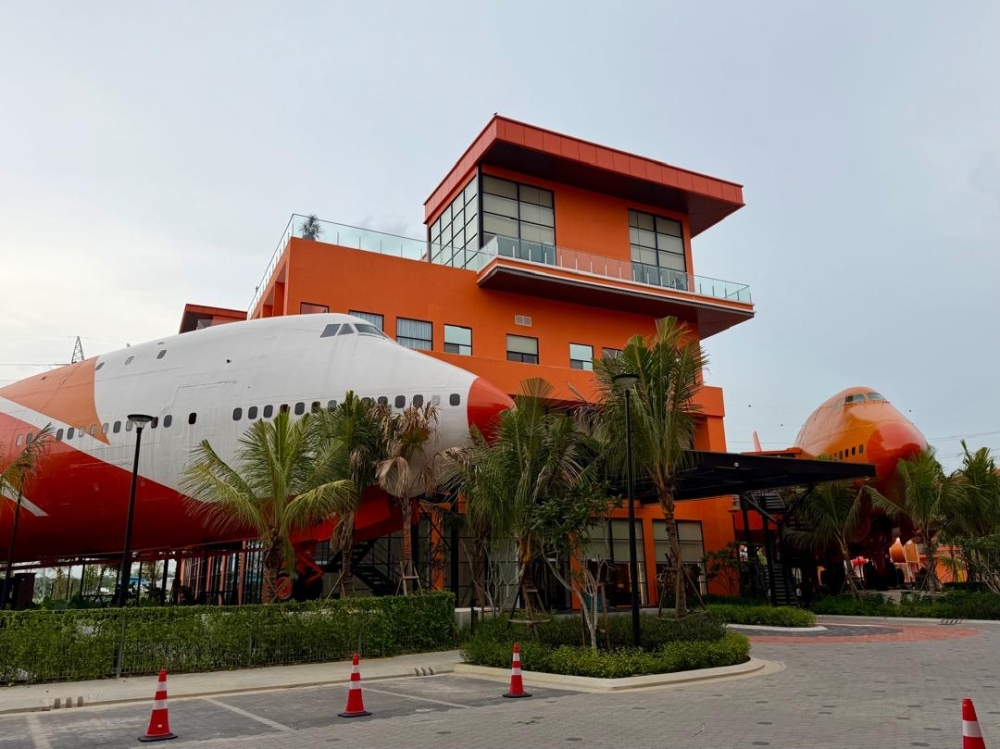
The city of Johor Bahru has introduced a novel lodging option: two retired Boeing 747s, named Bove and Bey, converted into luxury hotel suites. This provides a distinct overnight stay experience for consumers seeking novelty. It represents one approach to the issue of what happens to large passenger planes after their operational life.
However, the economic reality of aircraft retirement across the Asia-Pacific region is complex. Airlines regularly retire planes, and the disposition of these assets carries significant financial implications. The Malay Mail Life report on Johor Bahru highlights a specific, high-end repurposing. From a household budget perspective, this type of luxury accommodation is not an everyday solution for most travelers.
More commonly, retired aircraft undergo dismantling. The Guardian Nigeria News reported in 2021 on the scale of aircraft dismantling, describing a location in Nigeria as a large aircraft cemetery. This process can involve substantial costs. Repurposing an aircraft into a hotel bypasses dismantling but requires considerable investment in modification and ongoing maintenance for a static structure. The economic benefit from such a project is concentrated within a specific, high-end segment of the tourism market.
The region's aviation landscape consistently involves large aircraft. Boeing has announced sales of 200 planes to China and secured a deal with Bangladesh, which previously favored Airbus. These transactions demonstrate the continued presence of numerous large aircraft in the region's commercial fleets. Consequently, the question of their ultimate fate at the end of their service lives will persist.
The choice between dismantling and repurposing has direct economic consequences. Dismantling contributes to employment in specialized labor and parts distribution. Repurposing, on the other hand, creates jobs in hospitality and construction, but for a smaller number of units. The luxury hotel suite model offers a few exclusive rooms. In contrast, a functional aircraft carries hundreds of passengers or significant cargo, generating revenue through air transport. The Johor Bahru project is an example of creative reuse, but it does not represent an economically scalable solution for the many aircraft that will eventually be retired.
The cost of retiring a large aircraft like a Boeing 747 is considerable, whether it is broken down for parts or repurposed. The luxury hotel suites offer an interesting footnote to this larger economic question. They illuminate a niche market for the imaginative reuse of materials but do not address the broader challenge of managing end-of-life aviation assets efficiently on a regional scale. The industry still needs broad, cost-effective, and scalable solutions for the eventual fate of its fleets, rather than sporadic, high-cost conversions catering to a limited consumer base.
Sources
Newsletter
Pacific Daily
A curated briefing from Thailand, Asia-Pacific and the world.