The Weight of Desire: Abandoned Orangutans and Asia's Silent Trade
The discovery of five baby orangutans in an Indian forest points to a disturbing current beneath the Asia-Pacific's economic rise, where illicit demand places a heavy burden on the region's vulnerable wildlife.
SINGAPORE
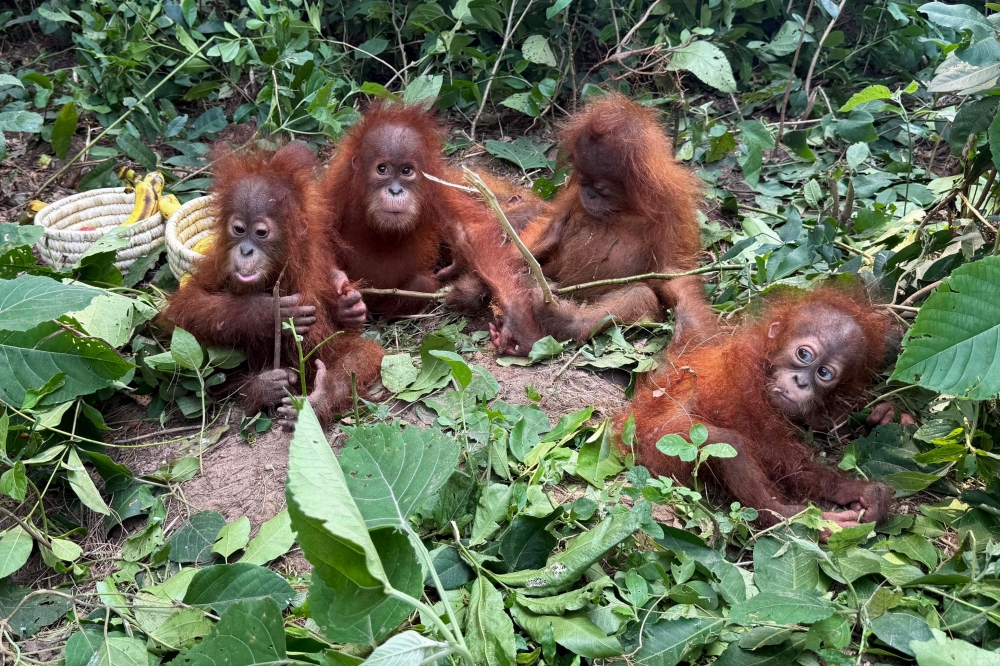
The forests of Odisha, India, presented a grim scene this September: five baby orangutans, found abandoned. Malay Mail, on September 18, 2026, described this as laying bare India’s “booming exotic pet obsession.” BBC reports of a trafficking inquiry sparked by this discovery, while The Hindu mentioned a suspected botched transit. These reports detail creatures far from their native habitats of Borneo and Sumatra, forcing a question upon the region: what does the growing appetite for the exotic ask of its vulnerable inhabitants?
Orangutans are not indigenous to India. Their presence there, particularly as infants, speaks to a sophisticated, cross-border network. While the Malay Mail points to India’s demand, to confine this phenomenon to one nation is to misunderstand the currents that flow across the Asia-Pacific. The demand for such pets, whether as symbols of status or the allure of the wild contained, is a silent partner in this tragedy. The South China Morning Post reported in June 2026 that the Asia-Pacific is set to lead global retail sales, indicating a region with increasing affluence. This economic rise, however, casts long shadows. A parallel market thrives, often unseen, where rare animals are trafficked to satisfy desires cultivated by newfound wealth or a misguided romanticism for the wild.
The sheer distance these animals traveled – from Southeast Asia's dense rainforests to an Indian forest – underscores the pervasive nature of this trade. It speaks to transit routes that bypass conventional scrutiny, relying on porous borders and the clandestine efficiency of criminal enterprises. Who benefits from this illicit commerce? Certainly not the orangutans, ripped from their mothers and placed into a precarious journey, nor the forest ecosystems they are meant to inhabit. The beneficiaries are those who facilitate the trade, from poachers to brokers, and ultimately, those who acquire these living trophies.
Thailand, a vibrant hub of tourism and commerce in the Asia-Pacific, is not immune to these dynamics. While the country is a destination for ethical wildlife encounters, it also exists along established trafficking routes. The presence of such animals in a market like India implies a source and a transit corridor, often passing through countries with significant ports and connectivity. The image of these vulnerable creatures, discarded like freight, serves as a stark reminder of the ethical burden placed on societies where such transactions are permitted to flourish. The growth reported by Reuters in June 2026, citing SK Hynix's plans to double wafer capacity, illustrates the region’s economic ambition, yet this ambition must contend with its moral responsibilities. The question remains: as the Asia-Pacific continues its ascent, will it reckon with the hidden costs of its desires, or will the silent trade continue to claim its victims, leaving behind only the echo of what once was?
Sources
Newsletter
Pacific Daily
A curated briefing from Thailand, Asia-Pacific and the world.