The Physics of Pain: When Extreme Thrills Become Liabilities for Asia-Pacific Tourism
The permanent closure of a landmark Six Flags roller coaster in California, following numerous brain injury allegations, raises questions for the region’s expanding leisure sector about the cost of extreme experience.
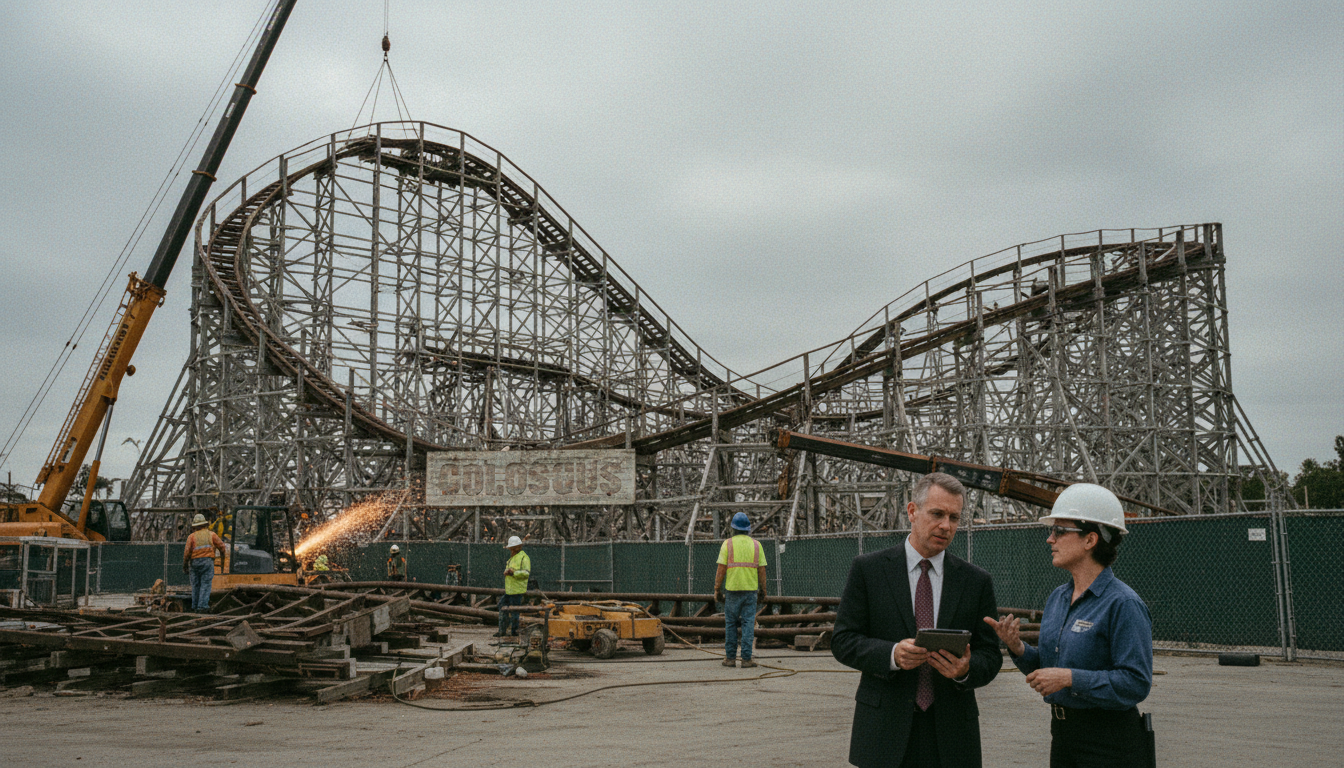
The X2 roller coaster at Six Flags Magic Mountain, a prominent attraction in California’s theme park landscape, is now permanently shut. More than 100 individuals have alleged brain injuries, leading to lawsuits that ultimately resulted in its closure, as reported by Malay Mail on October 1, 2026. The BBC and The New York Times also reported on the ride’s retirement, with AP News noting the cluster of lawsuits against Six Flags.
For a region like Asia-Pacific, where new attractions and entertainment complexes are frequently developed, this incident is more than a distant legal case. The situation highlights a fundamental tension: the continuous pursuit of novel, more intense experiences to attract visitors against an increasingly litigious global environment and a heightened awareness of long-term health impacts. Theme park design has consistently pushed the boundaries of speed, height, and inversion, equating increased velocity and complex G-forces with heightened excitement. Yet, the X2 case suggests a potential limit where the physiological toll of such extremes outweighs the recreational benefit, transitioning from thrill to documented harm.
This shift in perception, from an isolated incident to a pattern of alleged injuries, carries significant implications. The public, increasingly informed and connected, now expects a standard of safety that accounts for the less visible, cumulative effects of high-impact entertainment. The company, facing multiple lawsuits, chose to retire the attraction, indicating a calculation where ongoing legal exposure and reputational risk became untenable. The X2’s closure could be interpreted as a concession to this evolving understanding of risk, particularly concerning injuries that are not immediately apparent but manifest over time.
Theme parks across Asia are investing heavily in attractions designed to compete on a global scale, often replicating or even exceeding the intensity found in Western counterparts. The "Pacific Rim" reference, for example, has been used to describe Hollywood entertainment, as noted by Malay Mail. This suggests a cultural appetite for grand, immersive spectacles. However, this pursuit of the superlative must now contend with greater scrutiny over the long-term well-being of guests. As attractions become more sophisticated and daring, the responsibility to foresee and mitigate potential harm becomes paramount. A festival celebrating Pacific cultures in 1990, as reported by The New York Times, underscored a different kind of regional engagement; today's leisure industry often focuses on engineered thrills. The balance between offering an unforgettable ride and ensuring an uncompromised physical state upon exit is now a more complex equation.
The X2’s fate serves as a potent reminder that the pursuit of ultimate thrills has a defined limit, enforced not just by engineering constraints but by legal and public health considerations. The question for the Asia-Pacific’s burgeoning entertainment sector is whether it will anticipate this rising expectation for safety and accountability, or wait for similar legal pressures to force its hand.
Sources
Newsletter
Pacific Daily
A curated briefing from Thailand, Asia-Pacific and the world.