Robotaxis in Tokyo: A New Pricing Frontier for Urban Mobility
The arrival of driverless taxis in Japan’s capital signals a shift with implications for affordability and regional development, particularly across Asia.
TOKYO
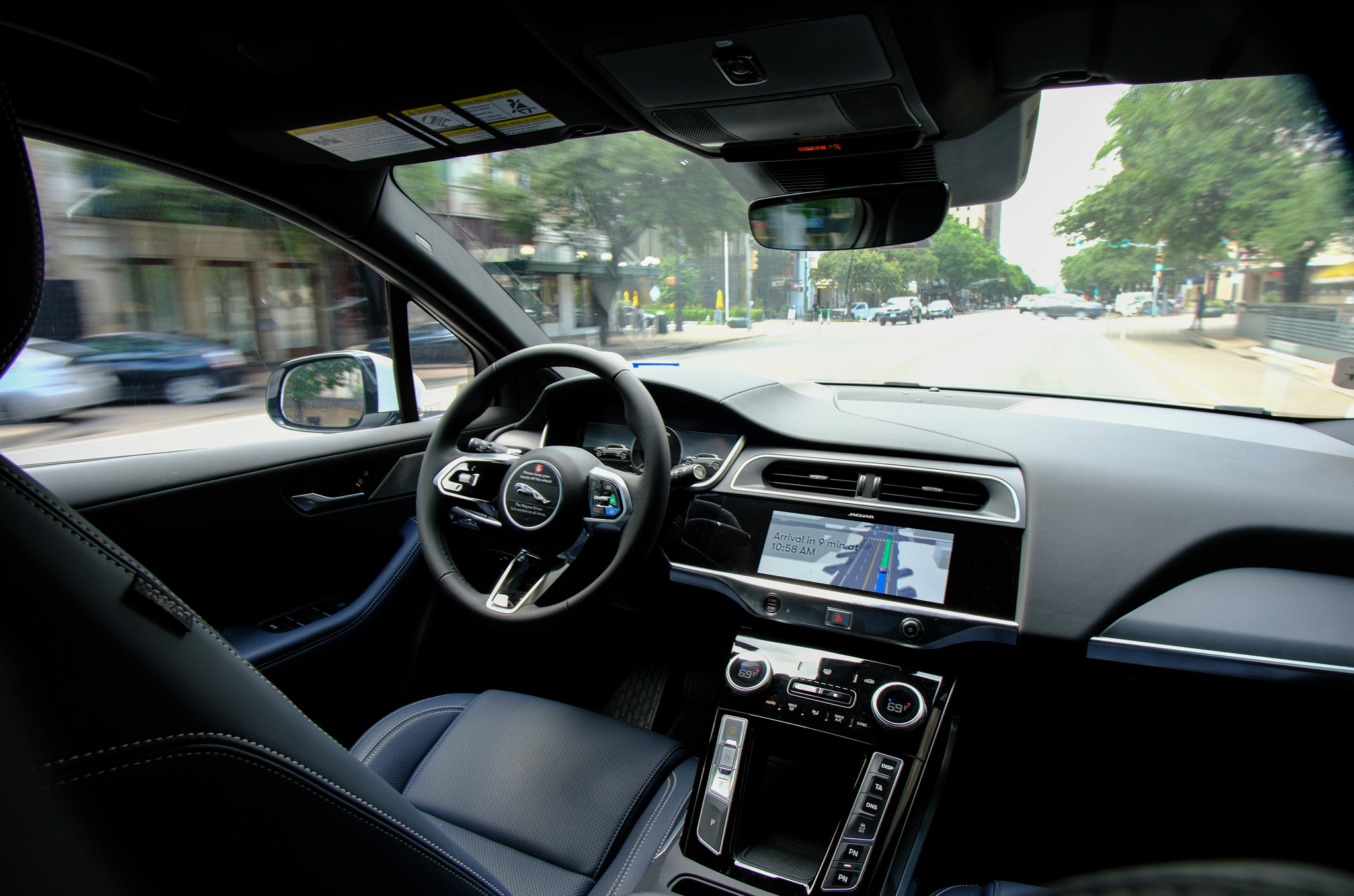
Tokyo's plan to launch fully driverless Level 4 robotaxis by 2027, a collaboration between Go, Waymo, and Nihon Kotsu, marks a significant development in urban transportation. Waymo, which began testing in Tokyo in 2024, has been actively pursuing global expansion, alongside companies like Zoox and Tesla. This initiative positions Tokyo as one of the largest cities to commercialize autonomous taxis, reflecting a growing global trend in driverless deployments.
The immediate signal is technological advancement, but the underlying incentives are economic. For operators like Waymo, commercial deployment in a high-density, high-demand market like Tokyo offers a pathway to scale and profitability. The promise of reduced operational costs, primarily labor, drives this shift. For city planners, robotaxis are presented as a solution to traffic congestion and a means to enhance mobility. However, the critical question remains: who benefits, and who bears the cost?
The primary winners are likely the collaborating technology firms and ride-hailing platforms, which stand to capture a new segment of the urban transport market. Consumers who value convenience and potentially lower fares for automated services may also see an advantage, especially if initial pricing is competitive to encourage adoption. Japan's ride-hailing app Go, for instance, has already had a successful IPO, signaling investor confidence in this trajectory. The deployment in Tokyo follows Waymo’s operations in 15 US cities, demonstrating a proven model for expansion.
Yet, this advancement also introduces significant constraints. The cost structure of developing and maintaining Level 4 autonomous fleets is substantial, and these costs will inevitably be passed on to users. The argument that robotaxis will democratize transport by making it cheaper requires scrutiny. While operational costs might decrease over time, the initial investment and the premium on advanced technology could price out lower-income demographics. These services typically cater to affluent urban centers, further concentrating advanced infrastructure and economic opportunities.
For the wider Asia-Pacific, particularly emerging markets, the Tokyo model presents a complex outlook. Such high-tech, capital-intensive solutions are unlikely to be immediately replicable in cities with different economic structures and existing public transport challenges. The risk is a widening gap in urban mobility, where leading global cities adopt sophisticated, but potentially exclusive, transport systems, while others grapple with basic infrastructure needs. The incentives for technology companies to prioritize lucrative, high-income markets are clear. Consequently, who is priced out in Tokyo might eventually find their options limited by the absence of similar, affordable alternatives in other urban centers.
Ultimately, the success of robotaxis in Tokyo will not only depend on technical reliability and regulatory frameworks but also on their economic accessibility. The unresolved constraint is whether these technologies can truly integrate into the fabric of urban life without exacerbating existing social inequalities. Their long-term impact on urban demographics, real estate values, and labor markets remains to be fully assessed, especially concerning the displacement of human drivers and the implications for urban planning beyond the immediate commercial gains.
Sources
Newsletter
Pacific Daily
A curated briefing from Thailand, Asia-Pacific and the world.