Macau's Shrinking Floorplate Bet
Melco Resorts’ conversion of a former mass-market tower into the 149-room REM tests whether ultra-exclusive lodging can offset the demands of integrated resort overhead.
SINGAPORE
Casino hospitality in Macau was built on scale, yet the latest real estate conversion at City of Dreams deliberately contracts it. Melco Resorts & Entertainment opened REM this week, replacing the former Countdown Hotel with a property limited to 149 rooms and suites. By taking an asset that originated as the mass-oriented Hard Rock Hotel and reducing it to an intimate footprint, the operator is attempting to establish the most exclusive tier within its three-tower Cotai compound alongside the Zaha Hadid-designed Morpheus and the Asian-inspired Nuwa.
Every square metre of an integrated resort carries heavy capital expenditure and staffing overhead. Historically, operators absorbed those fixed expenses by moving thousands of transient visitors through broad room inventories, relying on floor traffic to feed surrounding gaming, entertainment, and retail spaces. Transitioning a central tower from a high-turnover lodging hub into a specialised 149-key enclave signals an acute strategic recalibration. Melco is no longer using this particular footprint to harvest footfall. Instead, the property aims to extract premium yield from a tightly defined cohort of patrons who demand absolute privacy.
The Logic of Scarcity
Turning a conventional lodging asset into a niche retreat alters the revenue equation. According to Lawrence Ho Yau-lung, chairman and CEO of Melco Resorts & Entertainment, the name refers to rapid eye movement, the sleep phase during which individuals experience their most intense visions.
"we have the most vivid dreams"
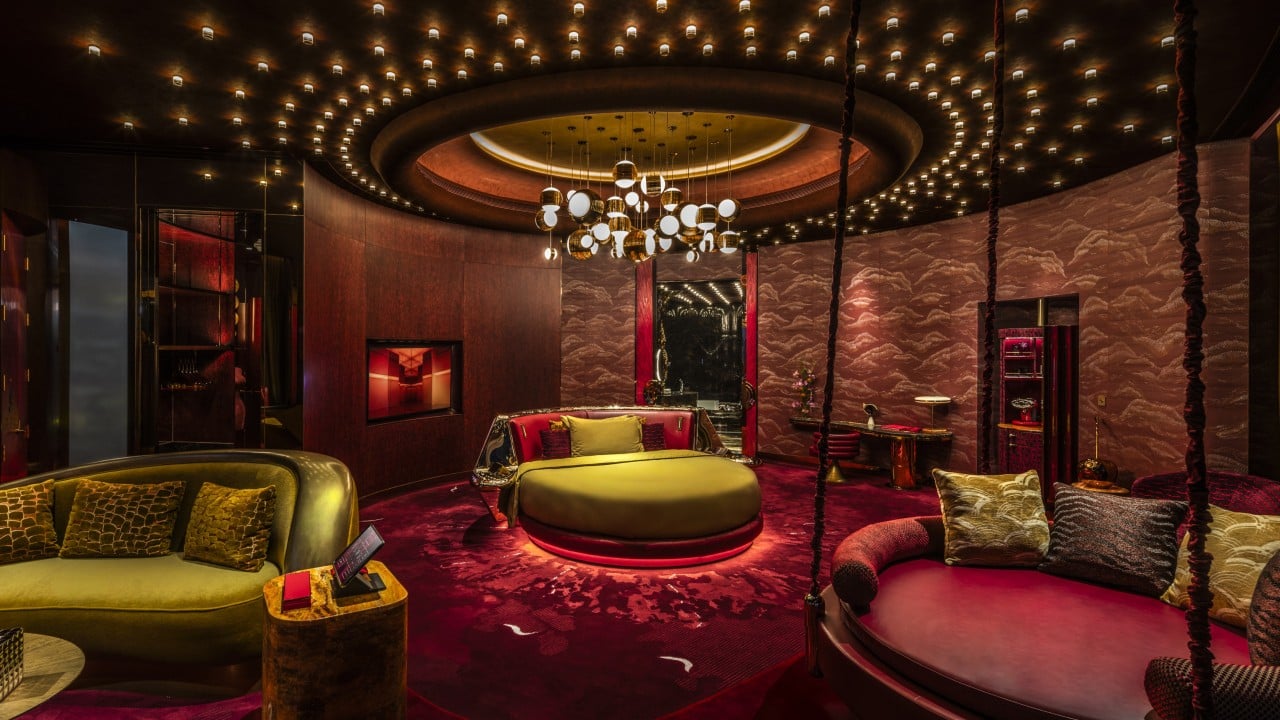
Rather than marketing wellness retreats or restorative rest, the hotel embraces a fluorescent red aesthetic, a nightclub-like lobby, revolving beds, and fantasy-themed suites. The design deliberate avoids broad appeal. Management makes clear the asset is not a sleep clinic designed to foster slumber, but an insular environment aimed at guests seeking late-night diversion and total seclusion.
Sceptics will point out that boutique properties face distinct operating hazards when embedded directly inside colossal casino complexes. Stripping hundreds of standard rooms from the inventory limits the property's ability to accommodate convention crowds, seasonal tour waves, or general concertgoers during peak entertainment cycles. If sovereign travel sentiment fluctuates or mainland high-end consumer spending hesitates, a hyper-focused room collection cannot pivot swiftly back to mid-tier promotional pricing without destroying its prestige positioning.
Yield Pressures on Cotai
The counterargument rests on market tiering across the wider Cotai district. With Morpheus providing architectural spectacle and Nuwa catering to traditional regional luxury, City of Dreams already possesses extensive capacity to capture established premium traffic. The addition of REM allows Melco to experiment with experiential nightlife hospitality without reconfiguring its primary accommodation towers.
A boutique footprint of 149 keys requires far fewer nightly arrivals to reach full occupancy. That compressed inventory provides operational defensibility during off-peak weekdays, provided room rates and ancillary patronage match the capital spent on thematic refurbishment.
What remains unsettled is how smoothly theatrical novelty translates into sustained repeat business. A fluorescent red, nightclub-style aesthetic creates an immediate visual impression, but theatrical styling dates far faster than restrained classical architecture. Patrons drawn by spectacle expect frequent updates once novelty fades, imposing persistent renovation cycles on properties that run very small room tallies. Whether the reimagined tower delivers durable returns now depends on whether its guests generate enough discretionary expenditure to justify sacrificing mass-market volume on some of the world's most contested leisure acreage.
Sources
Newsletter
Pacific Daily
A curated briefing from Thailand, Asia-Pacific and the world.